Shipping Labels.
Final price depends on size, material, finish and quantity. Your packaging manager confirms it before production.
Your custom box, quoted.
The full specification book.
Six chapters. Six colours. Click a tab to turn the page.
Shipping Labels
Machine readability is the entire job, and design barely comes into it.
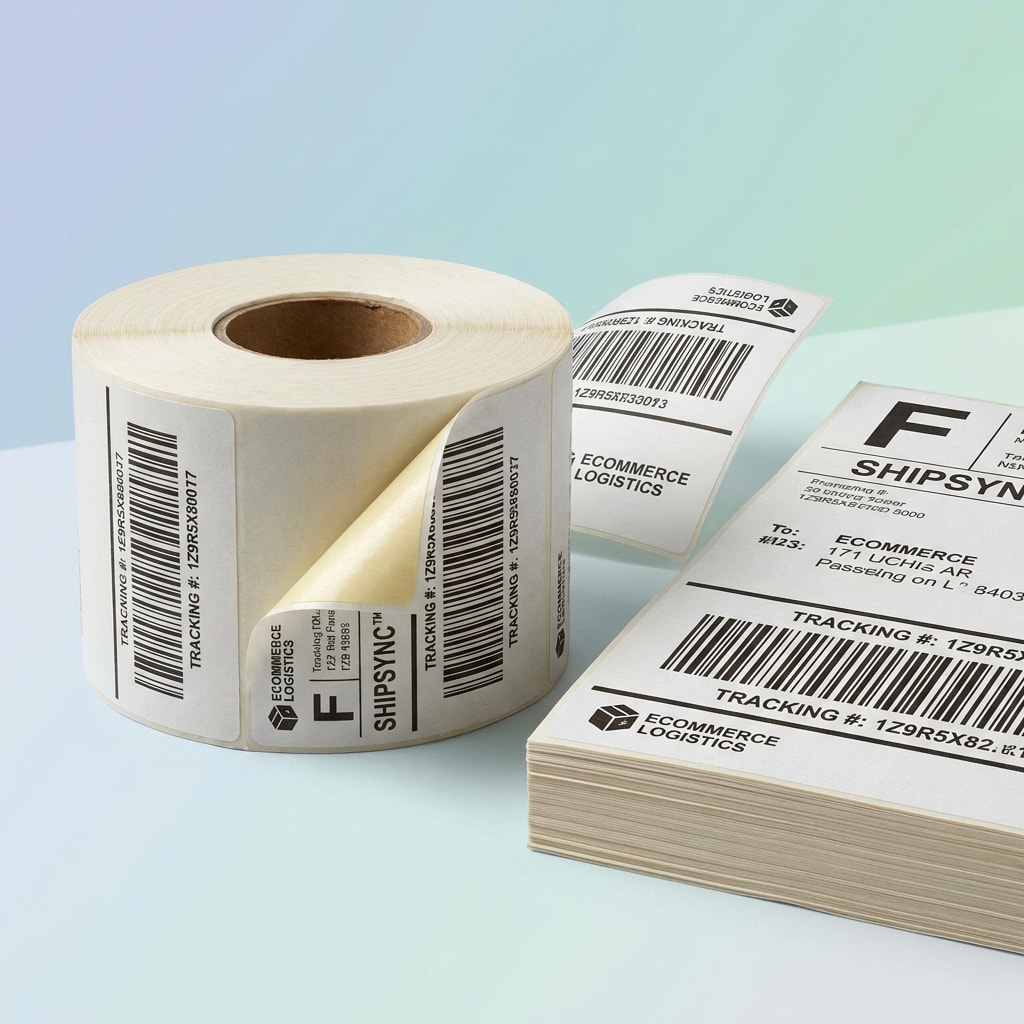
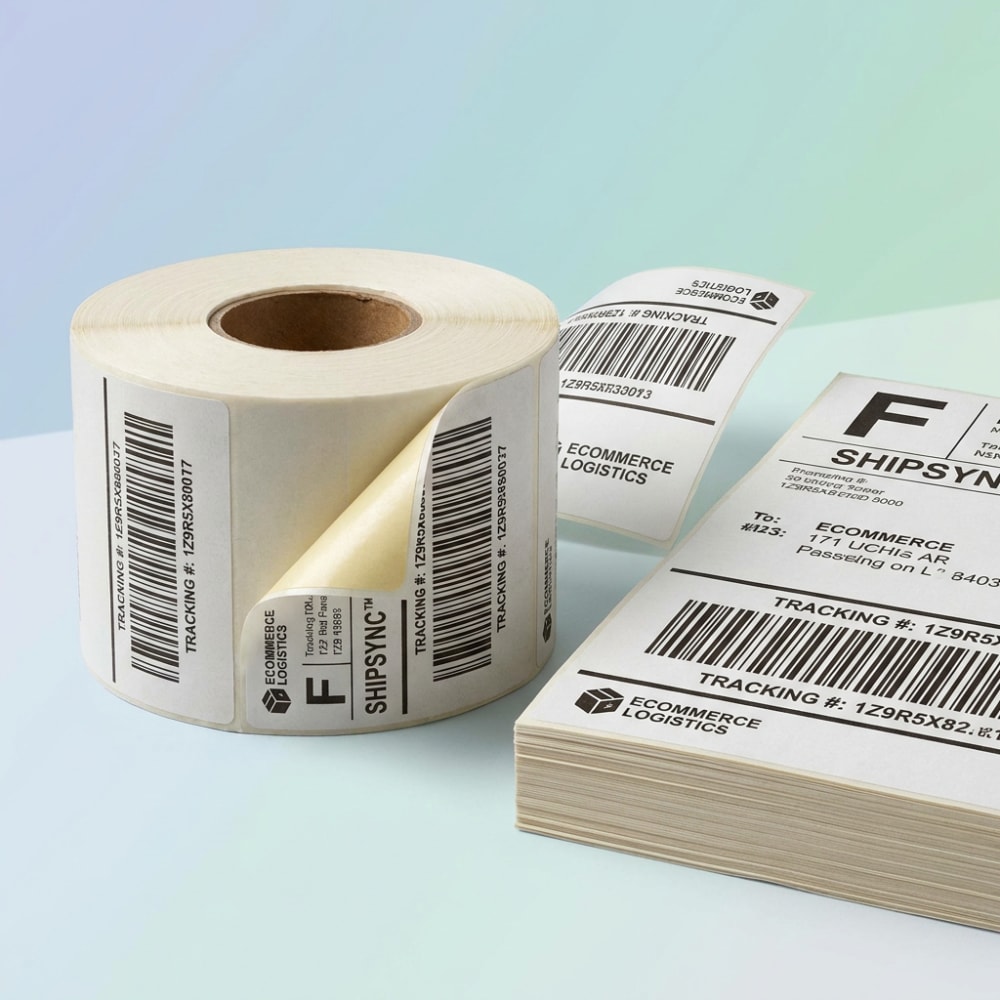
The 4-by-6 thermal label is what every carrier's system expects. Direct thermal needs no ribbon but fades with heat and light; thermal transfer lasts for longer or harsher journeys.
Every detail. Intentional.
4 × 6 is the standard
What carrier systems are built around.
Direct thermal fades
Heat and sunlight darken it over time.
Thermal transfer for durability
A ribbon lays down a lasting image.
Quiet zones are mandatory
Barcodes fail without clearance.
High-tack for hostile surfaces
Recycled kraft and poly mailers.
Non-compliance costs money
Surcharges and misroutes, not looks.
Built like architecture.
Every order of Shipping Labels is an engineered build, measured, dieline-cut and hand-wrapped to spec. Below is the standard build sheet.
✦ Need a custom spec? Talk to our atelier. Every detail is negotiable.
Every surface, hand-selected.
What this product is built from, and the surfaces it takes. Below the build sheet sits the full swatch library. Every option applies across our range, and a physical swatch set is available on request.
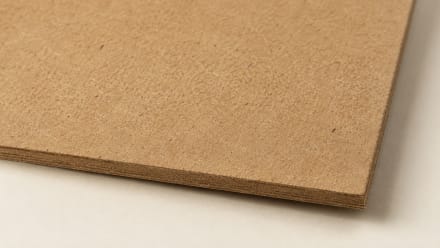
Material
The board and paper your box is built from.
 ◷ FINISH
 ◷ FINISH
 ◷ FINISH
 ◷ FINISH
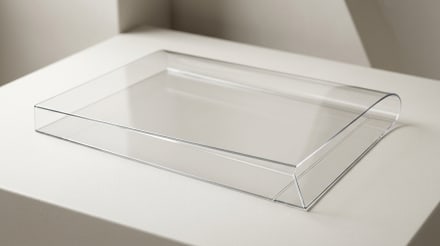 ◷ FINISH
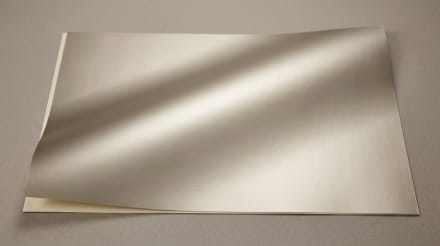
Finishes
How the outer surface looks, feels, and catches light.
 ◷ FINISH
 ◷ FINISH
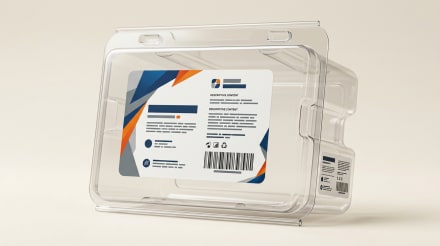 ◷ FINISH
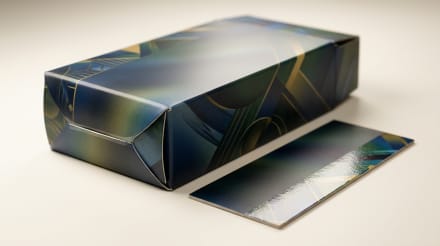 ◷ FINISH
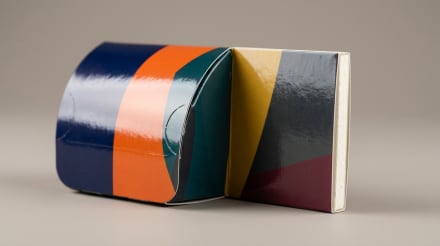 ◷ FINISH
 ◷ FINISH
 ◷ FINISH
 ◷ FINISH
 ◷ FINISH
 ◷ FINISH
 ◷ FINISH
 ◷ FINISH
 ◷ FINISH
 ◷ FINISH
 ◷ FINISH
 ◷ FINISH
 ◷ FINISH
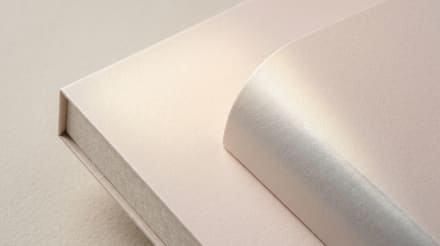 ◷ FINISH
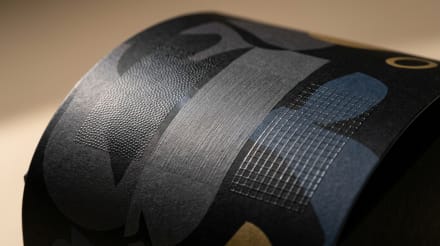 ◷ FINISH
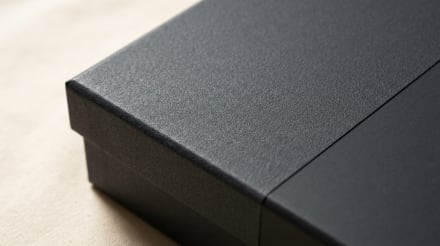 ◷ FINISH
 ◷ FINISH
 ◷ FINISH
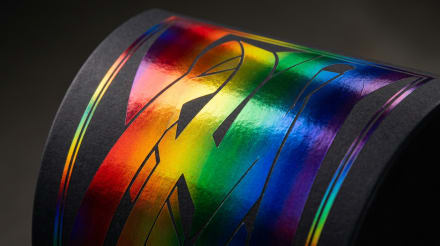 ◷ FINISH
 ◷ FINISH
 ◷ FINISH
 ◷ FINISH
 ◷ FINISH
 ◷ FINISH
 ◷ FINISH
 ◷ FINISH
 ◷ FINISH
Add-ons
Closures, linings, and hardware that complete the build.
 ◷ FINISH
✦ Mix and match across all three and we'll build your exact combination.
The full kit of capabilities.
Sizing & dieline.
We cut Shipping Labels to a dieline built around your product instead of pulling a stock size off the shelf. Send us the length, width and height of the item (or the item itself) and we return a measured dieline, free, before you commit to anything.
Length, width and height of the item itself, at its widest points. Measure the product, not the box you happen to use today.
Allow 2–4 mm on each axis for a snug fit, and more if you are adding foam, a pillow insert or tissue.
We quote as Length × Width × Height. Tell us whether you are working in millimetres or inches and we match it.
✦ Not sure of your size? Send us the product and we measure it and build the dieline.
Pricing & minimums.
We price Shipping Labels per specification rather than from a fixed list, because the same build in two different finishes can land at very different numbers. Below is what actually moves the price, so you can shape the spec before you request a quote.
The single biggest lever. Unit cost falls sharply as volume rises, because setup and tooling spread across more pieces.
Board weight and stock choice change both the raw material cost and the shipping weight of the finished run.
Foil, spot UV, embossing and soft-touch each add a pass on press. One or two lift the box; five compound the cost.
Full-bleed print inside and out costs more than a one-sided design on natural stock.
Foam, moulded pulp, velvet pillows, magnets and ribbon are priced per piece on top of the box itself.
Standard production is the base rate. Rush moves you up the production queue and carries a surcharge.
✦ Quotes returned within 24 hours.
Questions, answered.
Everything you need to know about Shipping Labels.
Direct thermal labels darken under a heated print head with no ribbon, while thermal transfer uses a ribbon to lay down a longer-lasting image. Direct thermal is the shipping standard and does the job for a parcel delivered within days. It fades with heat and sunlight over time.
Thermal transfer suits long transit, hot trailers, outdoor storage and anything that has to stay readable on file for months.
4 × 6 in is the format carrier systems and label printers are built around, so it prints and scans without any layout changes. Most carrier software outputs that layout by default. Smaller sizes such as 2 × 4, 3 × 5 and 4 × 4 in are used for return labels, address-only labels and internal tracking.
Pick the size your carrier software produces first, then add the smaller formats where your packing process needs them.
Scan failures come down to four causes: a missing quiet zone, poor contrast, voids in the print, or a label wrapped over a curve. The quiet zone is the blank margin either side of the barcode, and scanners need it. Faded direct thermal and a worn print head both cause low contrast and gaps.
Non-compliance costs money through surcharges and misroutes, so machine readability is the whole job on this label.
Use a high-tack adhesive, because recycled kraft and poly mailer surfaces release standard adhesive. Dusty recycled fibre and slick polyethylene both give a weak bond, and a label that lifts in a sorting hub may never be scanned. For cold-chain parcels, a freezer-grade adhesive applies cold and stays stuck.
Tell us what you ship in and we'll pick the grade.
Yes, a pre-printed logo or colour band works as long as the barcode and address zones stay clear and high-contrast. Carrier specs set the placement and size of the key blocks, and the thermal print lands in the blank area. Keep brand colour out of the quiet zones.
Integrated forms combine the label with a packing slip on one sheet. A blockout facestock covers an old label when a box is reused.
Choose by printer: most desktop thermal printers take rolls, while many high-volume warehouse printers run fanfold stacks. Fanfold feeds from a box behind the printer and needs fewer changeovers on a busy packing bench. Rolls have to match the printer's core size and maximum diameter.
Give us the printer model and we'll supply the format and core it expects.
Shipping labels can be ordered from 500. Orders scale to 100,000 for a warehouse that ships all day, and larger runs mean fewer reorders to track. If you use several sizes, such as 4 × 6 for outbound parcels and 4 × 4 for returns, each size is its own line on the quote.
Thermal labels are produced in 7 to 10 business days after you confirm the spec. A rush of 5 to 7 business days covers a warehouse running low. Samples arrive in 5 to 7 business days, which leaves time to test them in your printer and on your mailers, and the sample charge is credited to the main order.
We ship across the whole USA.
Other products you might love.



Ready to start your Shipping Labels project?
Get a free quote in 24 hours. Our atelier is here to help.