OVERVIEW
What is Rigid?
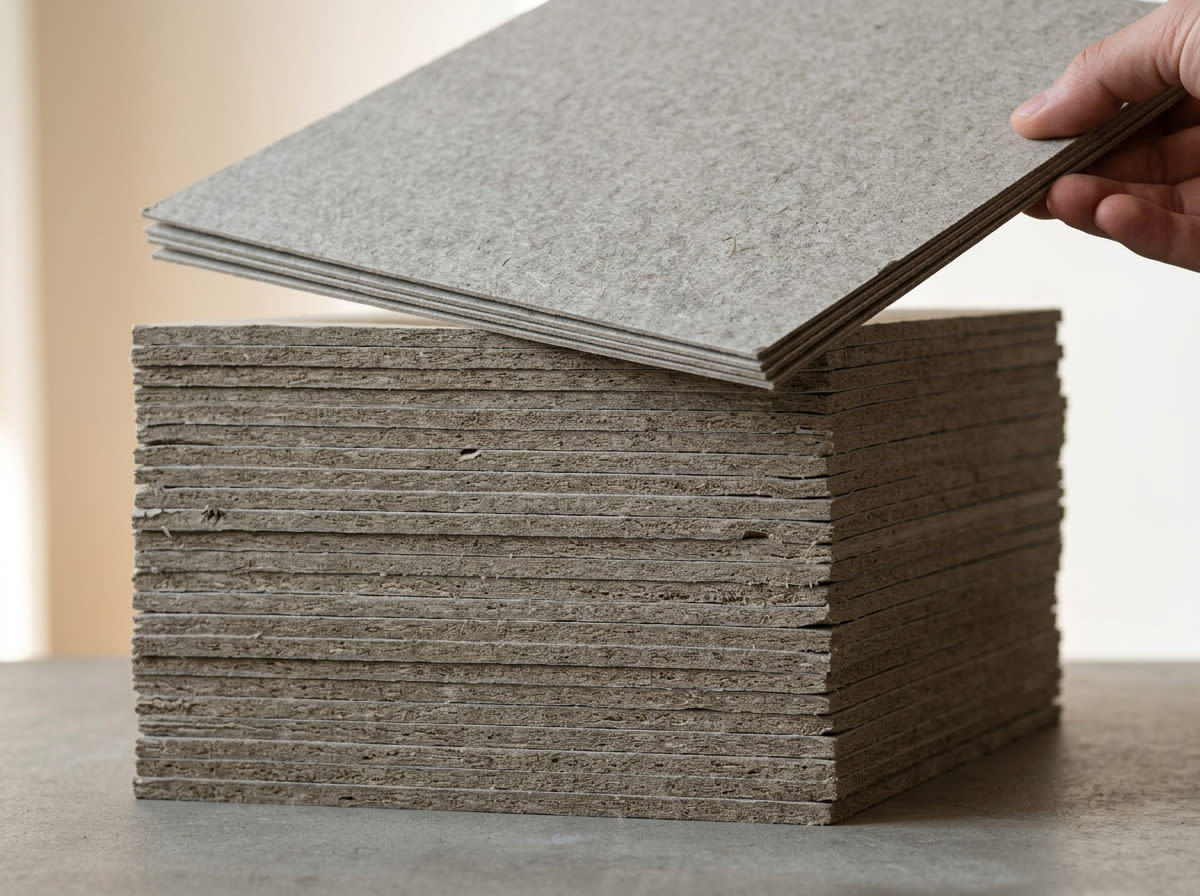
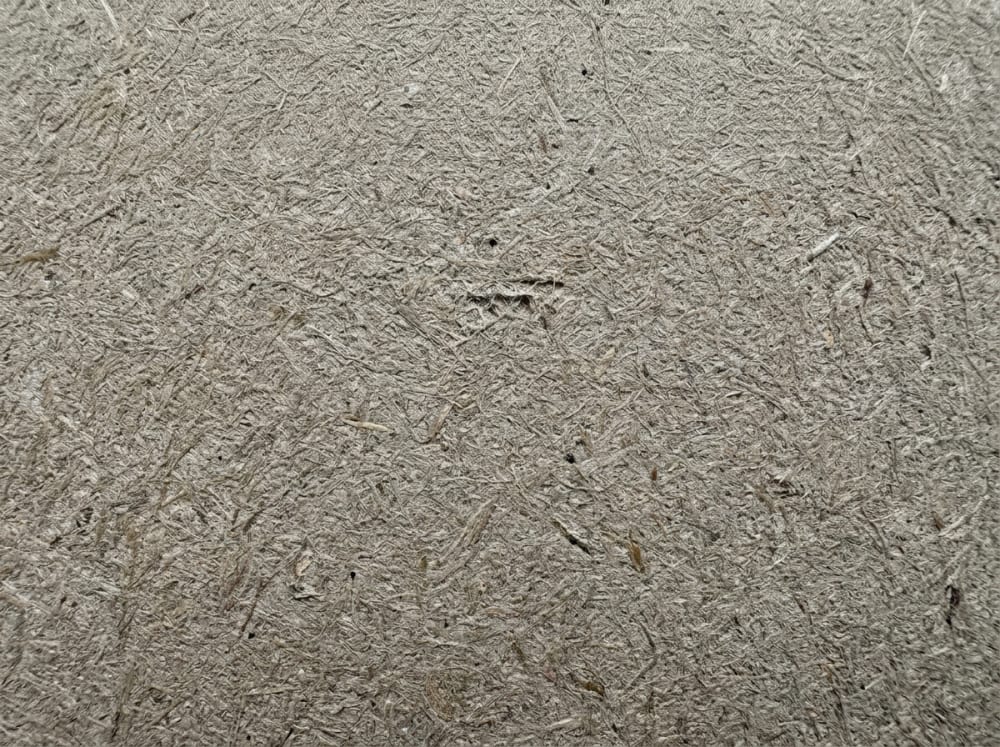
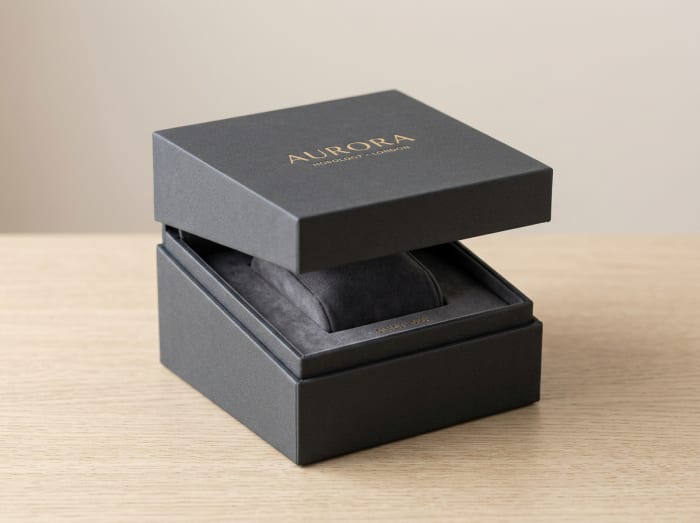
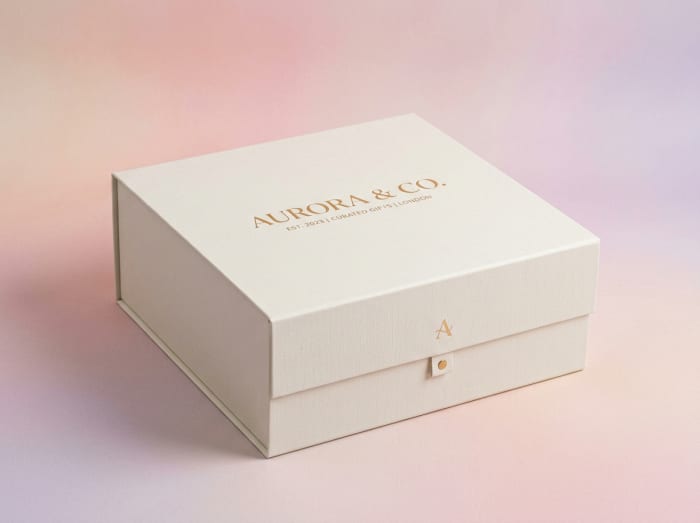
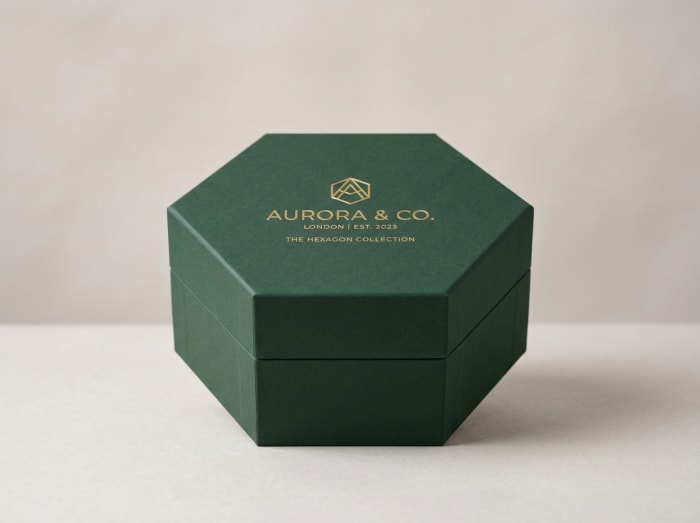
Rigid boxes are built from dense, non-collapsible greyboard or chipboard, typically 1.5mm to 3mm thick, that holds its shape permanently, unlike folding cartons which ship flat.
The board is wrapped, not printed directly, in a separate decorative paper, textured stock, or fabric, allowing virtually unlimited finish combinations: foil, emboss, soft-touch lamination, fabric inlays and custom inserts.
SPECIFICATIONS
Technical at a glance
Board thickness
1.5mm, 2mm, 2.5mm, 3mm
Wrap options
Matte paper, textured stock, fabric, leatherette
Closures
Magnetic, ribbon, friction-fit lid
Insert options
Foam, EVA, fabric-wrapped trays
Recyclability
Chipboard core recyclable, wrap varies
Best for
Luxury gifting, electronics, jewelry, cosmetics
IN PRODUCTION
Products made with Rigid
White Rigid Boxes
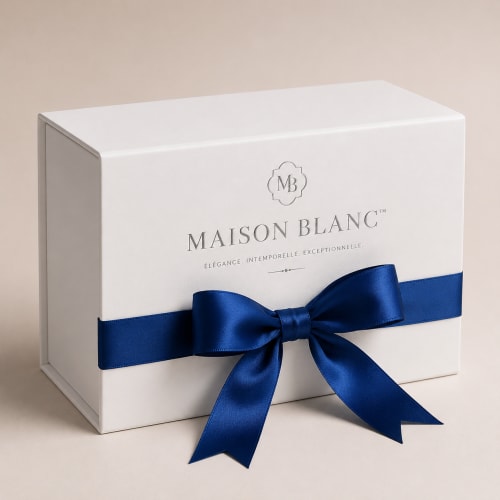
The most unforgiving surface in packaging, and exactly the reason minimal brands keep choosing it.
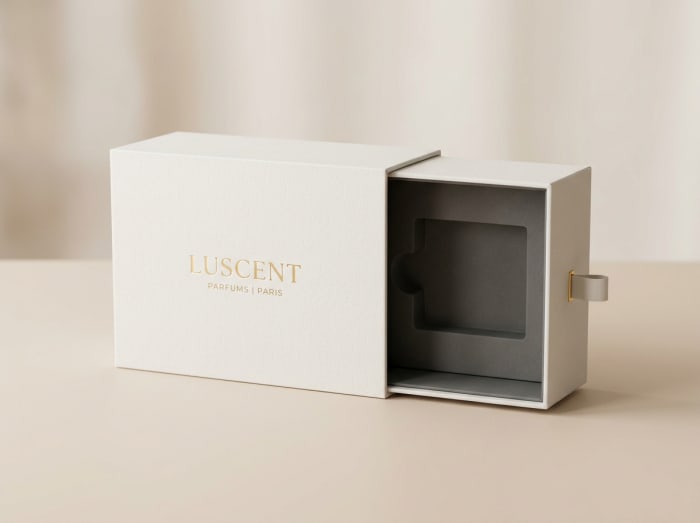
Shoulder Rigid Boxes
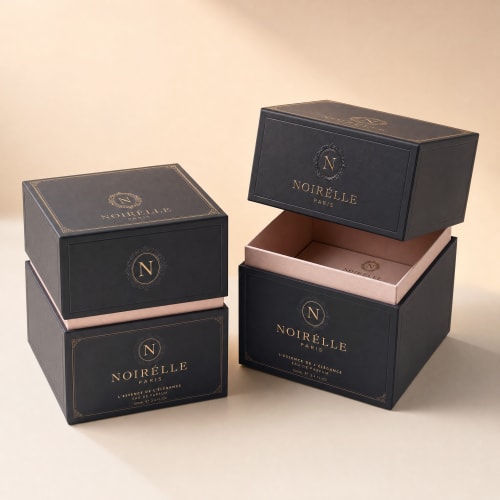
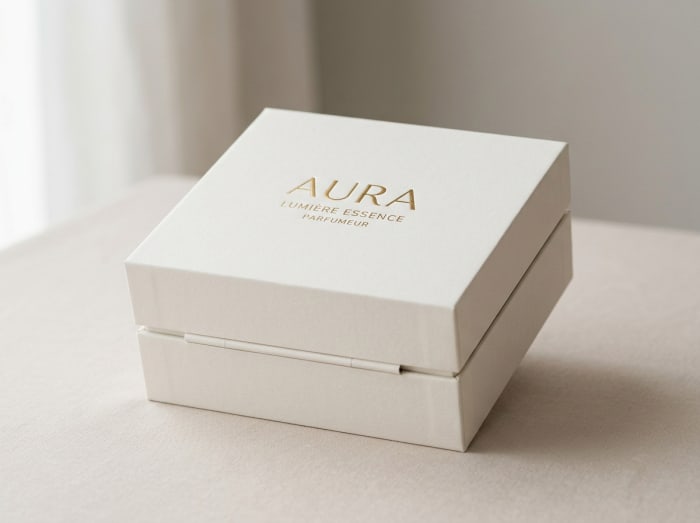
Three components and one visible band, the fragrance industry's own construction.
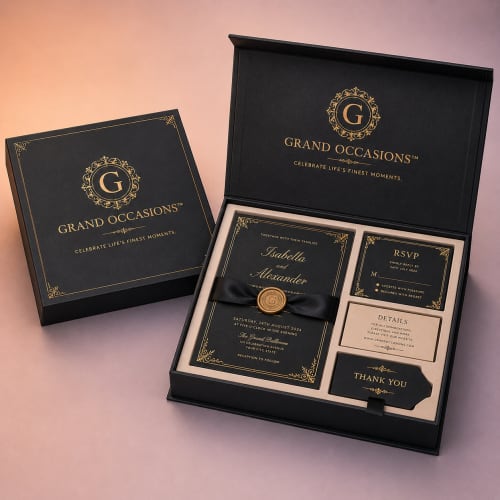
Rigid Invitation Boxes
A card, a keepsake and a mailing piece, and invitation packaging has to be all three at once.
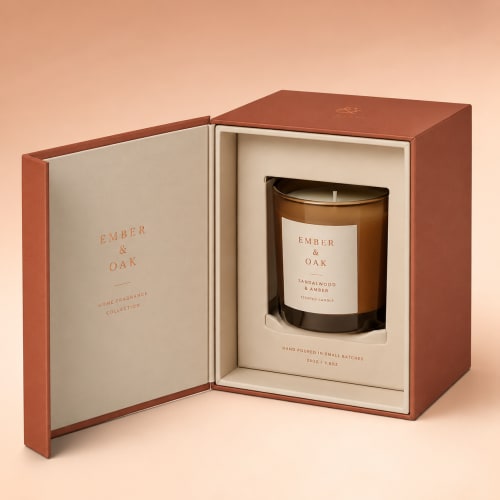
Rigid Setup Boxes
Set up at the factory and shipped erected, which is the trade's own name for rigid packaging.
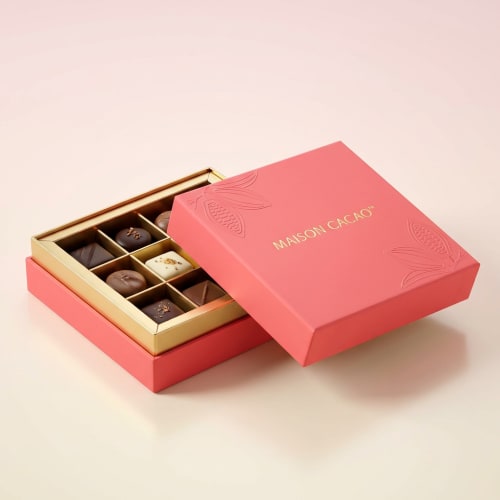
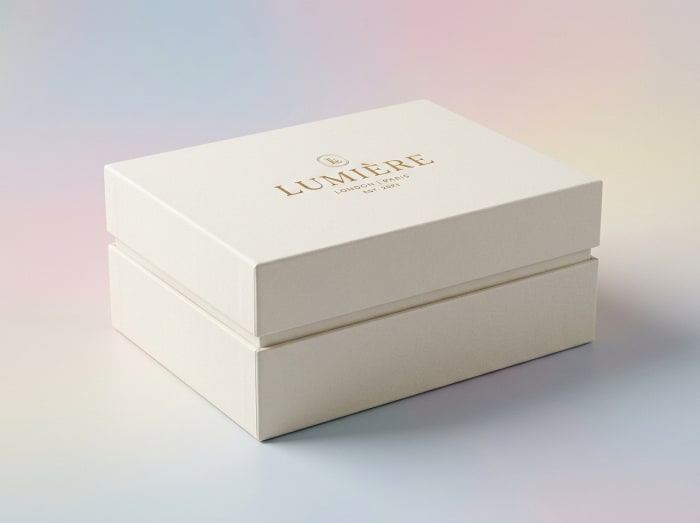
Rigid Two-Piece Boxes
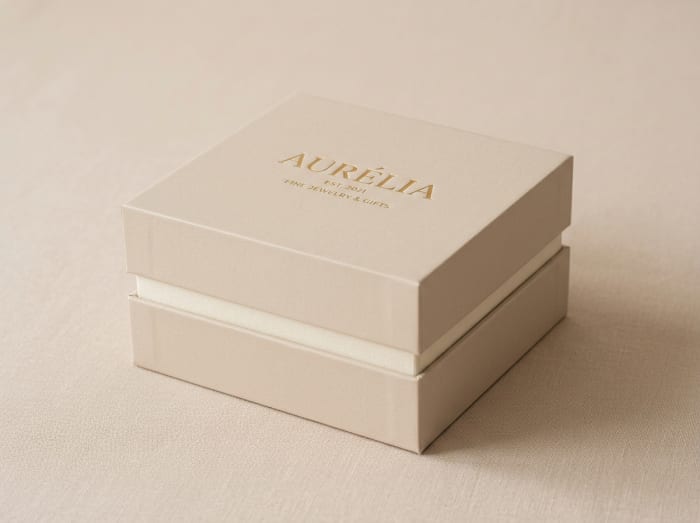
A base and a lift-off lid, the construction every other rigid format is a variation on.
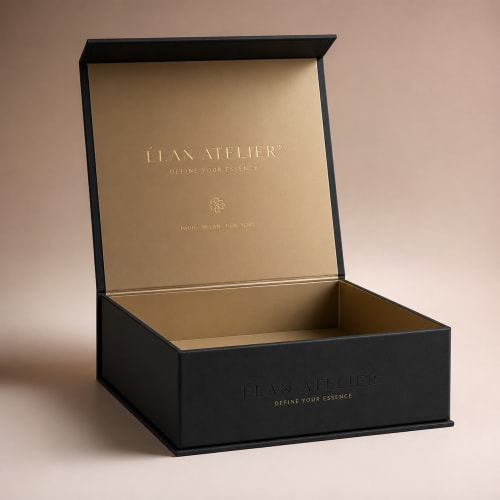
Rigid Boxes With Lids
The practical question is less which construction to use and more how the lid should behave.

Rigid Drawer Boxes
It opens sideways, with a drawer that travels instead of a lid that lifts.
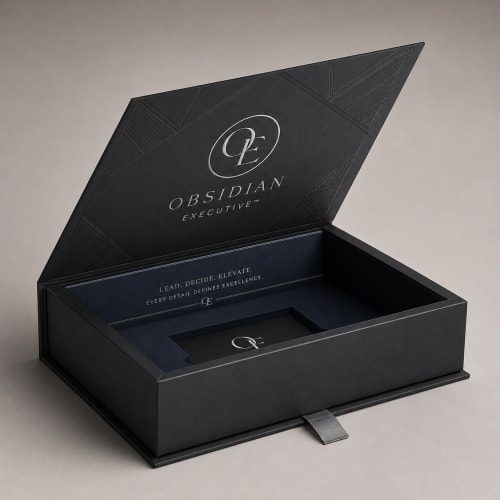
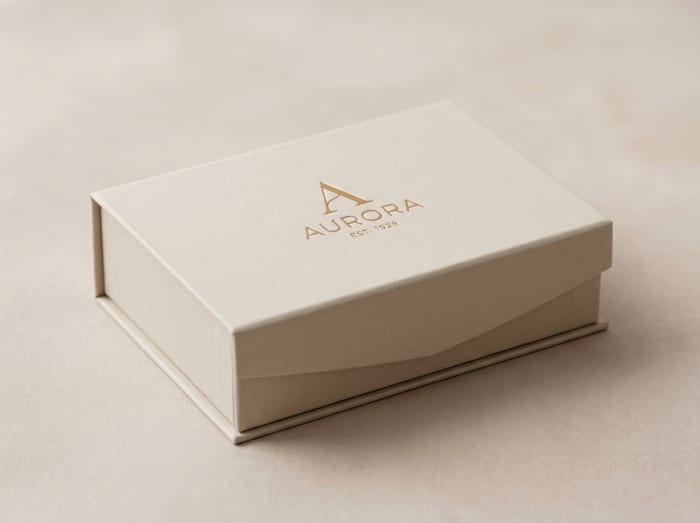
Bookend Style Rigid Boxes
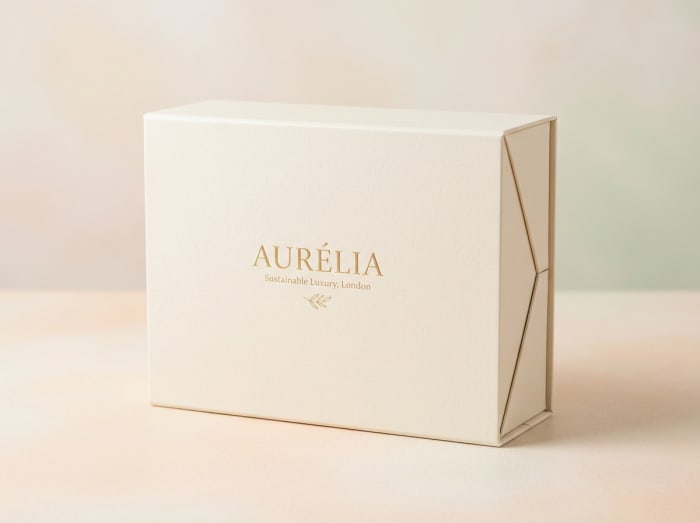
Opens like a book, so the whole contents plane is visible in a single motion.
WHO USES IT
Industries that rely on Rigid
L
Luxury Gifting
Premium presentation boxes
E
Electronics & Tech
High-end unboxing experience
J
Jewelry & Watches
Cushioned protective cases
C
Cosmetics & Fragrance
Premium retail presentation
W
Wine & Spirits
Protective rigid casing
C
Corporate Gifting
Branded executive gift sets
S
Subscription Luxury Boxes
Reusable premium unboxing
C
Confectionery
Premium gift packaging
THE PROCESS
How Rigid is made
01
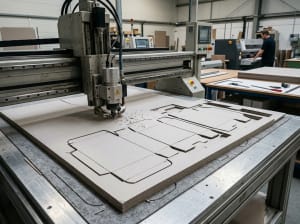
Board cutting
Dense chipboard is cut and scored into the box pattern.
02
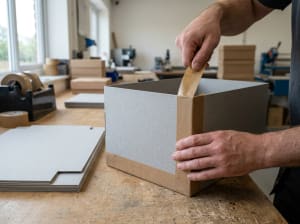
Corner taping
Edges are reinforced with tape for structural rigidity.
03
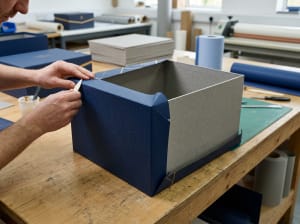
Wrap lamination
Decorative paper or fabric is glued and wrapped around the board.
04

Assembly & finishing
The lid is fitted, inserts placed, and foil or emboss work applied.
+
Advantages
✓
Substantial luxury feel. the thick board reads as premium in-hand.
✓
Fully reusable & giftable. customers keep and reuse the box.
✓
Unlimited finish options. wrap, foil, emboss and fabric all possible.
✓
Strong protection. rigid walls shield fragile items well.
✓
Memorable unboxing. creates a premium first-impression moment.
!
Considerations
–
Highest cost per unit. the most expensive substrate in the lineup.
–
Ships assembled. takes up more freight volume than flat-packed cartons.
–
Longer lead times. wrapping and assembly add production time.
–
Heavier than folding cartons. adds to shipping weight and cost.
SUSTAINABILITY
Eco-friendly level
Rigid boxes are designed to be kept and reused, which offsets their heavier material footprint. The chipboard core is recyclable even when the decorative wrap varies.
✓Recyclable chipboard core✓Reusable by design✓Recycled board available✓EVA inserts can be recyclable
ECO RATINGModerate · 3 / 5
LowModerateExcellent
COST COMPARISON
Relative cost per unit
Indexed against Rigid = 3.0×. Actual pricing depends on size, finish and volume.
Rigid
3.0×
Kraft
1.0×
Cardboard
1.2×
Recycled White
1.2×
Corrugated
1.5×
Paper Tubes
1.4×
Mylar
2.3×
IF NOT RIGID
Alternative materials
GALLERY

Ready to package in Rigid?
We'll send a free dieline, a physical sample and a quote tailored to your product within 24 hours.