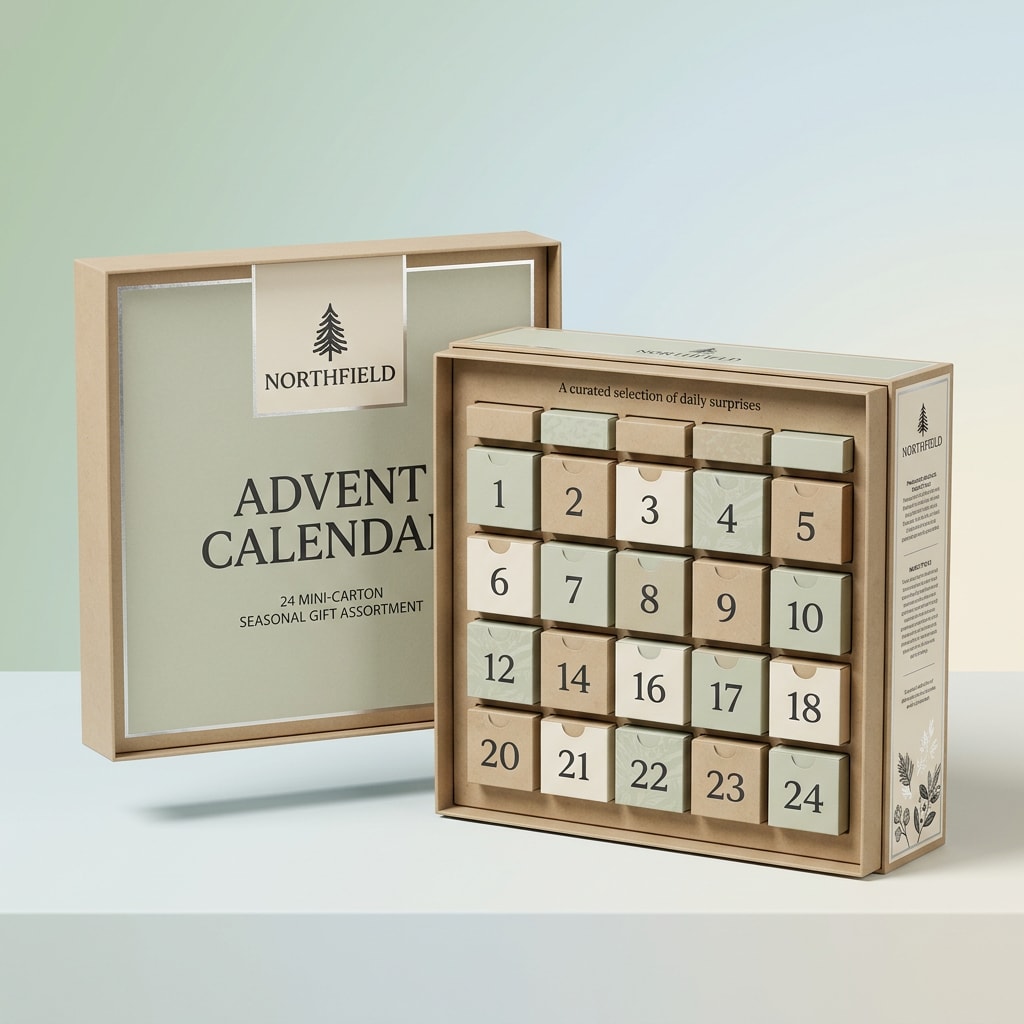
Advent Calendar.
Final price depends on size, material, finish and quantity. Your packaging manager confirms it before production.
Your custom box, quoted.
The full specification book.
Six chapters. Six colours. Click a tab to turn the page.
Advent Calendar
Twenty-four doors that all have to open cleanly, which makes it the hardest die-cut job in seasonal print.
Each window is a perforated flap that must open once, without tearing the panel behind it. Registration between the die and the print is unforgiving.
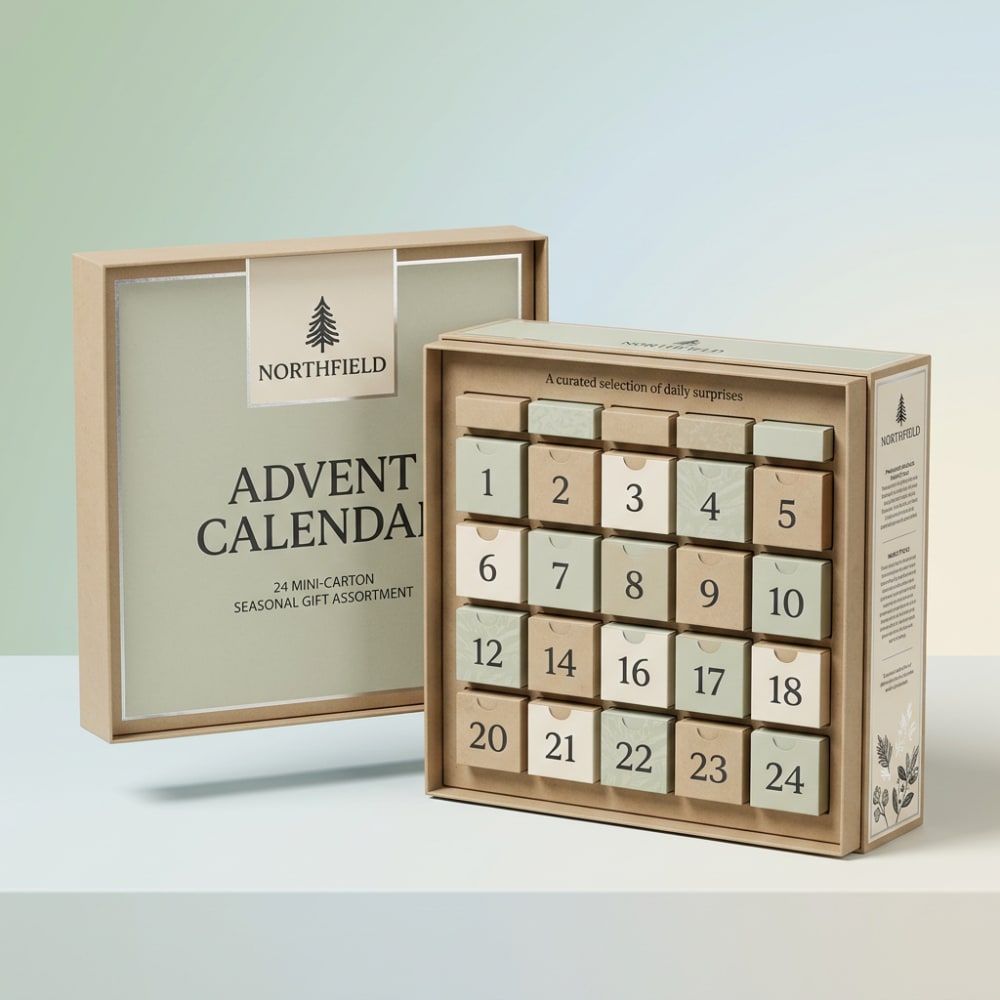
Every detail. Intentional.
Twenty-four flaps, no failures
Each opens once, cleanly.
Registration must be exact
The image behind is tiny.
Backing board holds the shape
Or doors curl before December.
Filled versions need trays
Chocolate or beauty inserts.
Ordered in spring
Seasonal capacity books early.
Used once, kept anyway
Which justifies better print.
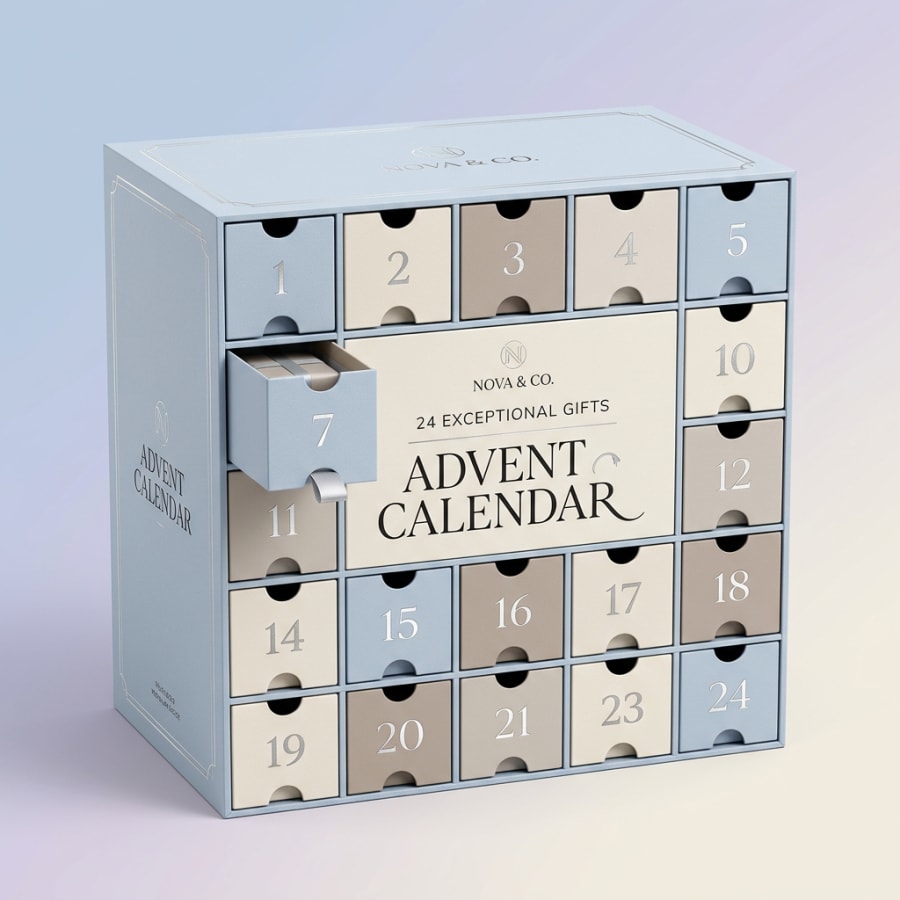
Built like architecture.
Every order of Advent Calendar is an engineered build, measured, dieline-cut and hand-wrapped to spec. Below is the standard build sheet.
✦ Need a custom spec? Talk to our atelier. Every detail is negotiable.
Every surface, hand-selected.
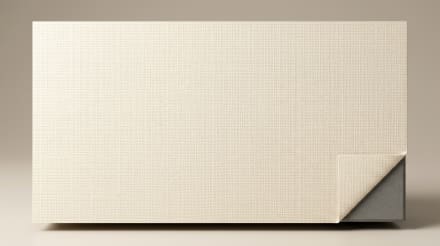
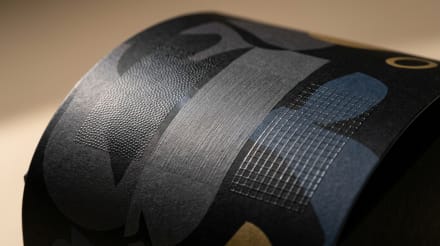
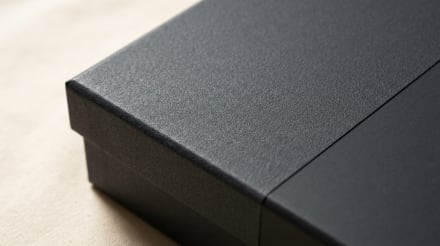
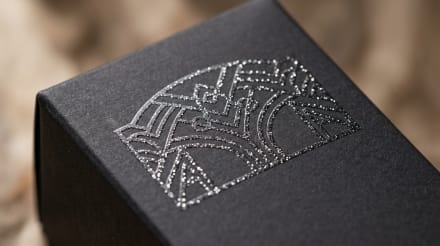
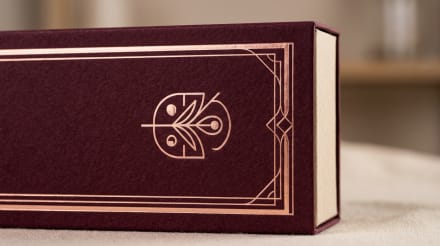
What this product is built from, and the surfaces it takes. Below the build sheet sits the full swatch library. Every option applies across our range, and a physical swatch set is available on request.
Material
The board and paper your box is built from.
 ◷ FINISH
 ◷ FINISH
 ◷ FINISH
 ◷ FINISH
 ◷ FINISH
 ◷ FINISH
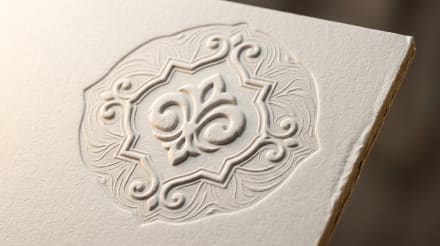
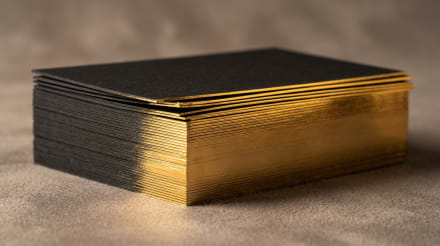
Finishes
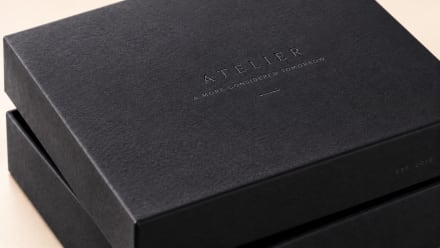
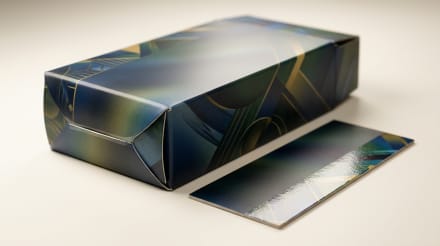
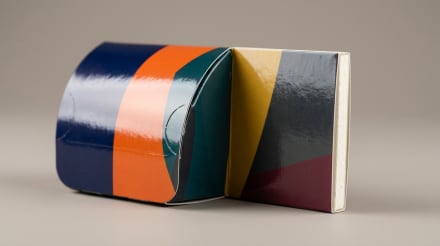
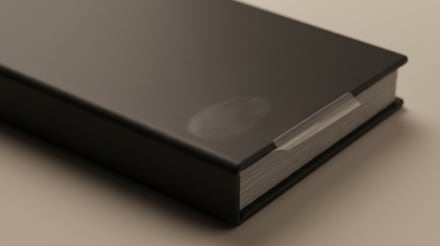
How the outer surface looks, feels, and catches light.
 ◷ FINISH
 ◷ FINISH
 ◷ FINISH
 ◷ FINISH
 ◷ FINISH
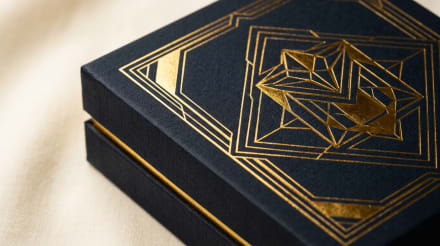 ◷ FINISH
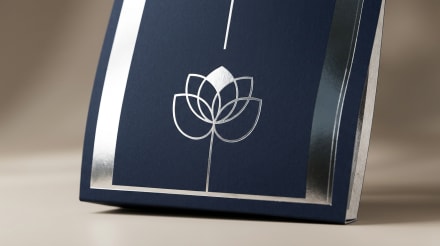 ◷ FINISH
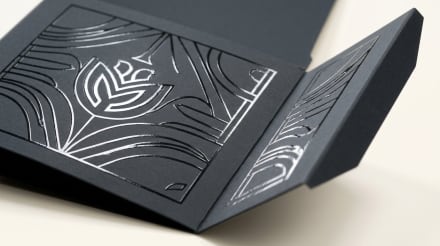 ◷ FINISH
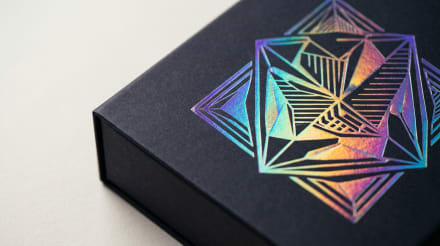 ◷ FINISH
 ◷ FINISH
 ◷ FINISH
 ◷ FINISH
 ◷ FINISH
 ◷ FINISH
 ◷ FINISH
 ◷ FINISH
 ◷ FINISH
 ◷ FINISH
 ◷ FINISH
 ◷ FINISH
 ◷ FINISH
 ◷ FINISH
 ◷ FINISH
 ◷ FINISH
 ◷ FINISH
 ◷ FINISH
 ◷ FINISH
 ◷ FINISH
 ◷ FINISH
 ◷ FINISH
 ◷ FINISH
 ◷ FINISH
 ◷ FINISH
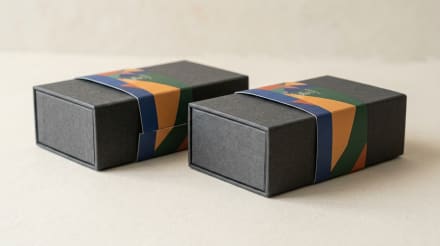
Add-ons
Closures, linings, and hardware that complete the build.
 ◷ FINISH
 ◷ FINISH
✦ Mix and match across all three and we'll build your exact combination.
The full kit of capabilities.
Sizing & dieline.
We cut Advent Calendar to a dieline built around your product instead of pulling a stock size off the shelf. Send us the length, width and height of the item (or the item itself) and we return a measured dieline, free, before you commit to anything.
Length, width and height of the item itself, at its widest points. Measure the product, not the box you happen to use today.
Allow 2–4 mm on each axis for a snug fit, and more if you are adding foam, a pillow insert or tissue.
We quote as Length × Width × Height. Tell us whether you are working in millimetres or inches and we match it.
✦ Not sure of your size? Send us the product and we measure it and build the dieline.
Pricing & minimums.
We price Advent Calendar per specification rather than from a fixed list, because the same build in two different finishes can land at very different numbers. Below is what actually moves the price, so you can shape the spec before you request a quote.
The single biggest lever. Unit cost falls sharply as volume rises, because setup and tooling spread across more pieces.
Board weight and stock choice change both the raw material cost and the shipping weight of the finished run.
Foil, spot UV, embossing and soft-touch each add a pass on press. One or two lift the box; five compound the cost.
Full-bleed print inside and out costs more than a one-sided design on natural stock.
Foam, moulded pulp, velvet pillows, magnets and ribbon are priced per piece on top of the box itself.
Standard production is the base rate. Rush moves you up the production queue and carries a surcharge.
✦ Quotes returned within 24 hours.
Questions, answered.
Everything you need to know about Advent Calendar.
Each door is a die-cut hinged flap, perforated on three sides and scored on the fourth so it opens once and stays attached. The die is tooled to your artwork, and every one of the 24 flaps has to line up with its cavity behind. If the die drifts even slightly against the print, the door opens onto the wrong picture or tears the panel behind it.
We treat door-to-cavity alignment as the pass or fail test on this job, and we check it on a press proof before the run.
A backing board behind the printed face keeps the calendar flat through December. The face itself is folding boxboard carrying the doors, and on its own a sheet with 24 perforated flaps will bow and let the doors lift early. Bonding it to a rigid backing removes that problem.
On the premium tier the whole build moves to rigid board, which is what we use for drawer-format calendars meant to be refilled the following year.
Yes, anything with contents needs a tray, and for confectionery we use a vacuum-formed 24-cavity food-safe tray. The printed board is secondary packaging in that build, and the tray is the food-contact layer. For beauty samples or toys the cavities are cut to the actual items, because those vary far more in shape than a chocolate does, and we size them from the real products rather than a drawing.
Full CMYK with a hot foil accent is the standard seasonal combination. Matt lamination gives foil and spot detail a base to sit on, while gloss lamination suits bright retail artwork that will be handled on a shelf. If you want sparkle, we print a glitter-effect ink rather than applying loose glitter, which a growing number of retailers now refuse.
One thing we check on every proof is door numbering, since misnumbered artwork is a surprisingly common error.
The two sizes we build most are 12 × 16 × 1.5 inches and 14 × 18 × 2 inches, both with 24 doors. Depth is set by the tray, so a chocolate version sits at the shallow end and a beauty calendar with taller items needs the 2 inch build. We measure the outer face length by width, then the depth of the cavity behind it.
We start at 500 calendars per design. The die tooling for 24 doors is the main setup cost, and 500 is where that tooling stops dominating the unit price. Pricing tiers step down again above 1,000, and we can run up to 100,000 on one order for larger retail programmes.
Spring, honestly, because seasonal capacity books up and a calendar delivered late is worth nothing. Standard production runs 7 to 10 business days once artwork is approved, with a 5 to 7 business day rush where the schedule allows it. A sample takes 5 to 7 business days and we would always build one before a filled run.
The sample fee comes off your production invoice.
Yes, the drawer format on rigid board is built for exactly that. Instead of perforated doors that open once, numbered drawers slide out and back in, so the calendar is refilled the following year. It costs more per unit than a boxboard face, but a calendar that is kept holds your branding on a shelf for years, which usually justifies the better print.
Other products you might love.


Ready to start your Advent Calendar project?
Get a free quote in 24 hours. Our atelier is here to help.