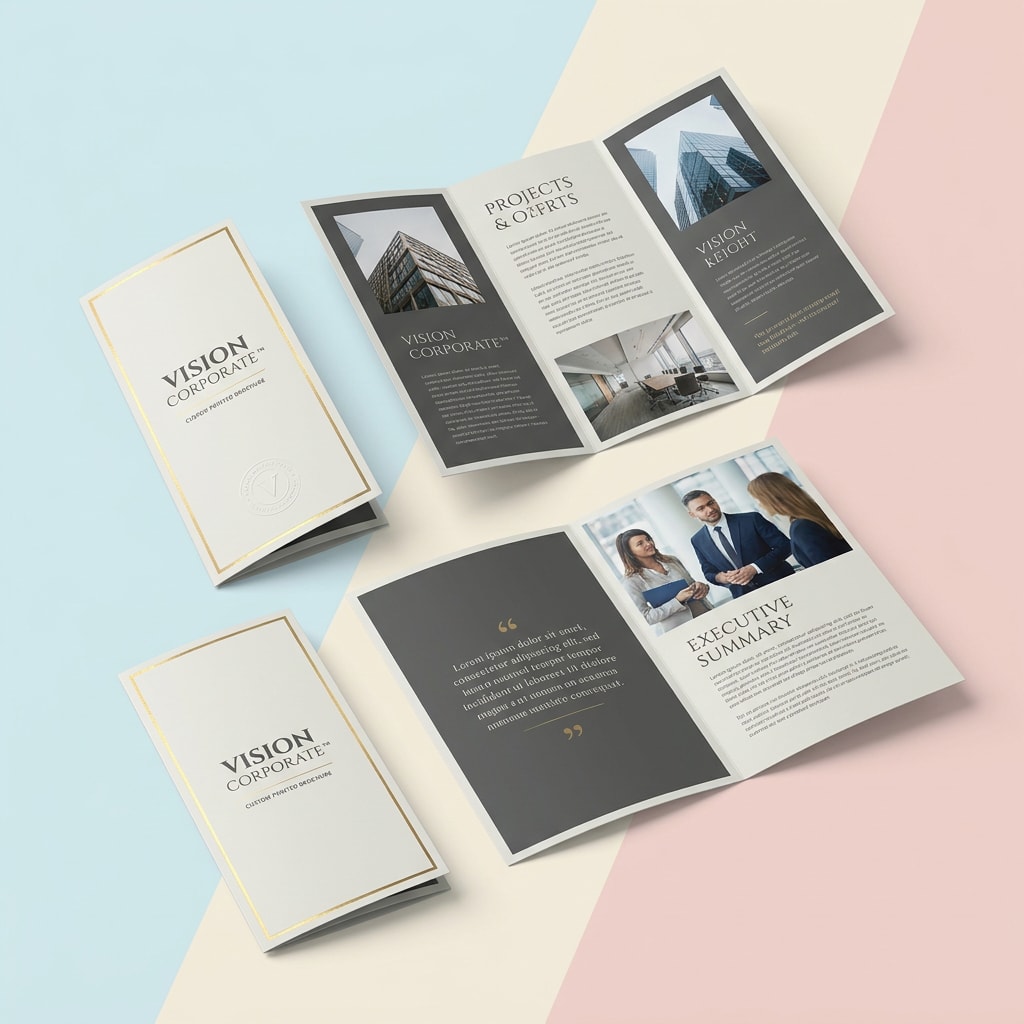
Custom Printed Brochures.
Final price depends on size, material, finish and quantity. Your packaging manager confirms it before production.
Your custom box, quoted.
The full specification book.
Six chapters. Six colours. Click a tab to turn the page.
Brochures Printing
Folded print that has to survive a bag, a desk and a second reading.
A brochure is judged on how it folds and how it feels. Score quality, stock weight and finish decide whether it looks considered or disposable.
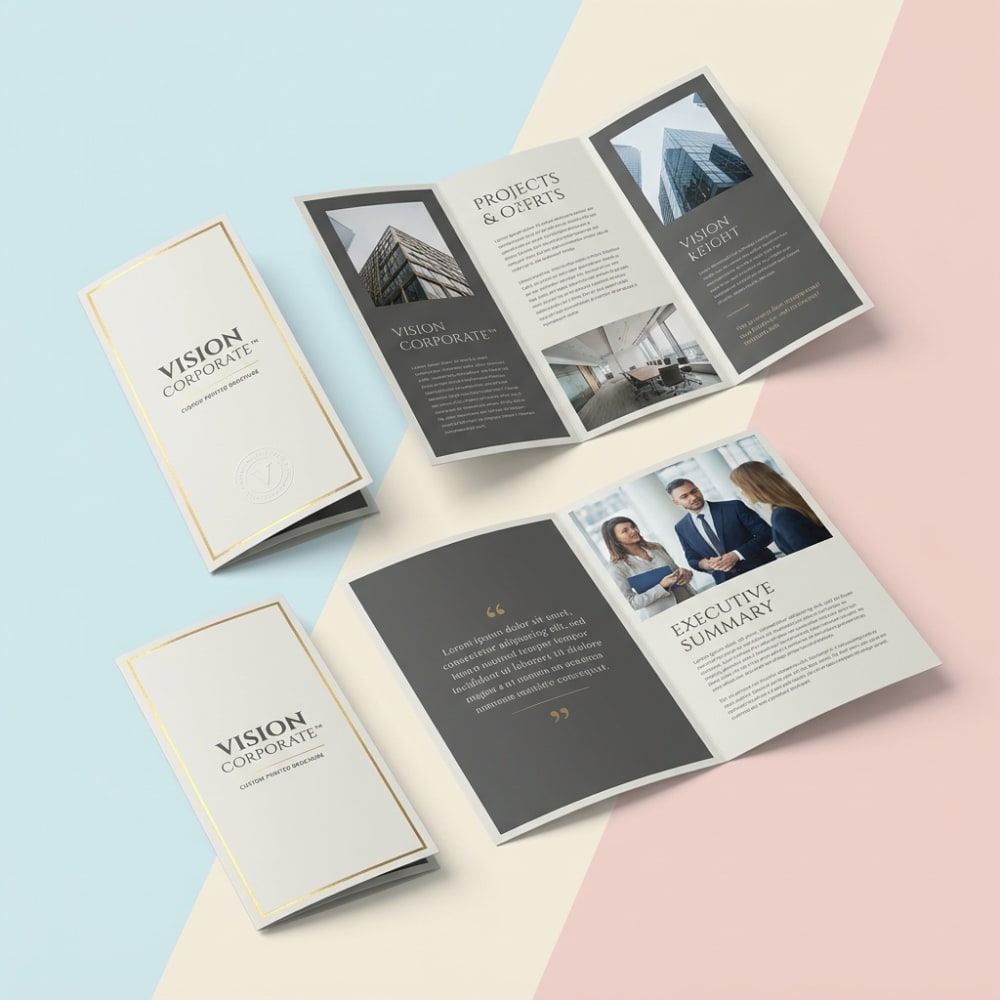
Every detail. Intentional.
The fold is the format
Roll, gate, z or accordion.
Scoring prevents cracking
Especially on heavy coated stock.
Weight signals the brand
100gsm reads very differently to 170.
Panel sequence is designed
Not just laid out.
Matte lamination resists marking
Handled repeatedly.
Digital made short runs viable
Digital changed the economics.
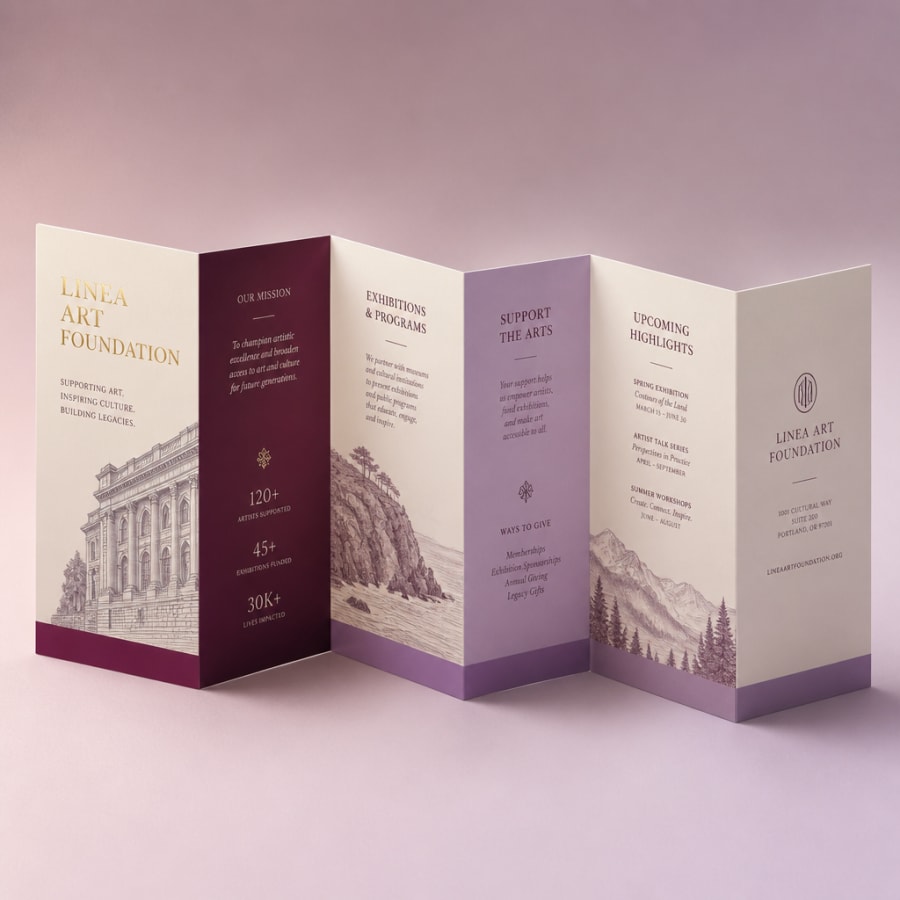
Built like architecture.
Every order of Custom Printed Brochures is an engineered build, measured, dieline-cut and hand-wrapped to spec. Below is the standard build sheet.
✦ Need a custom spec? Talk to our atelier. Every detail is negotiable.
Every surface, hand-selected.
What this product is built from, and the surfaces it takes. Below the build sheet sits the full swatch library. Every option applies across our range, and a physical swatch set is available on request.
Material
The board and paper your box is built from.
 ◷ FINISH
 ◷ FINISH
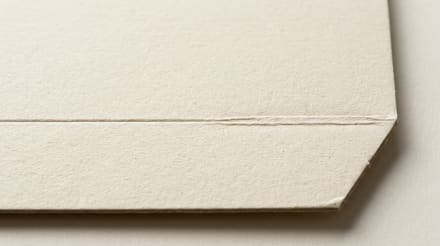 ◷ FINISH
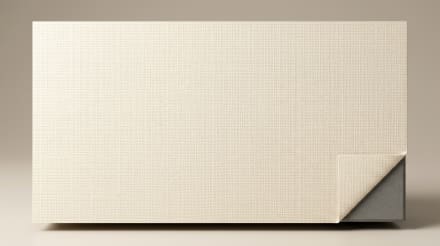 ◷ FINISH
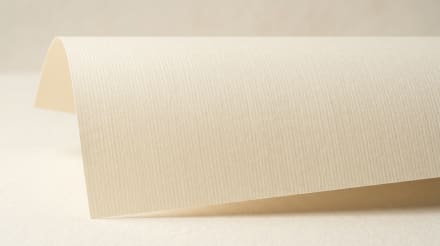 ◷ FINISH
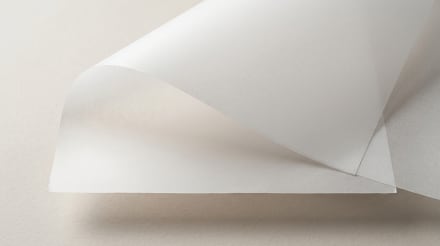 ◷ FINISH
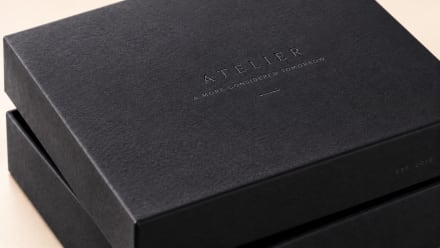
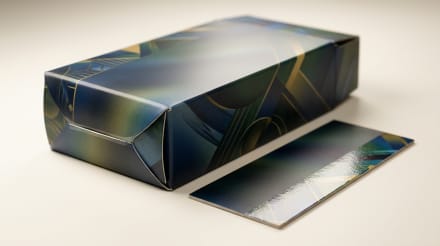
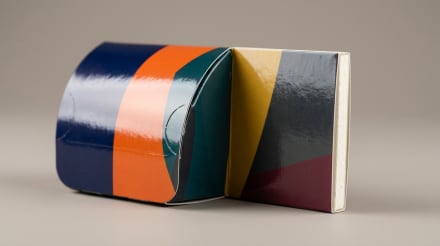
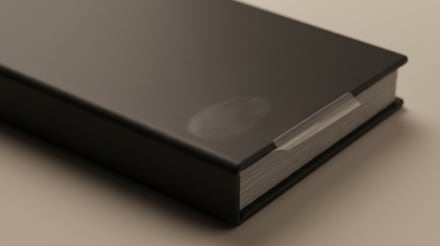
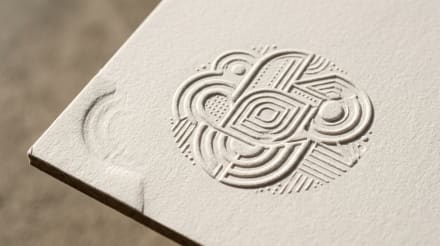
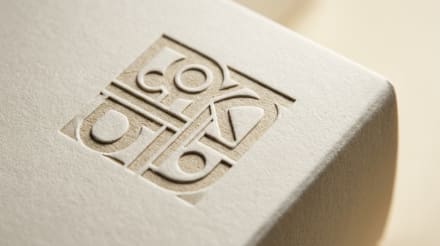
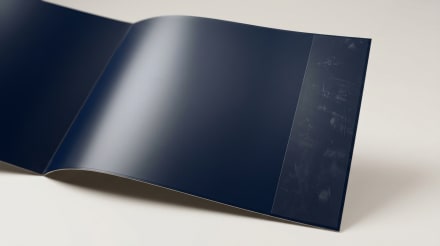
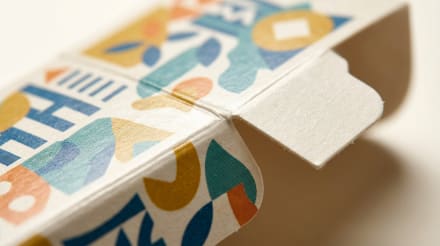
Finishes
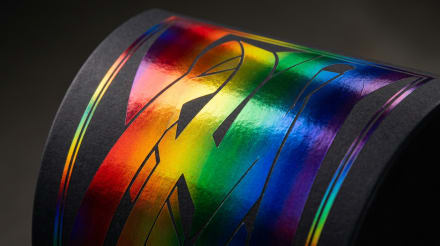
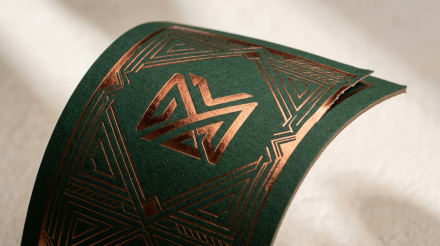
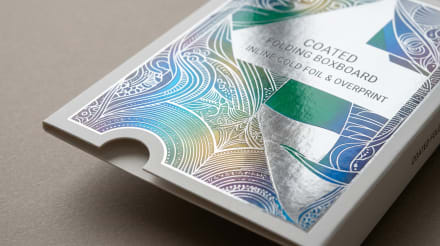
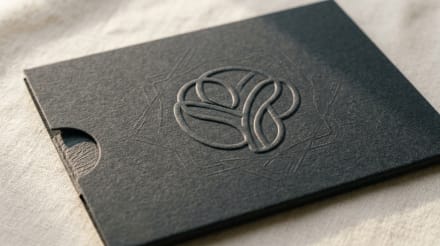
How the outer surface looks, feels, and catches light.
 ◷ FINISH
 ◷ FINISH
 ◷ FINISH
 ◷ FINISH
 ◷ FINISH
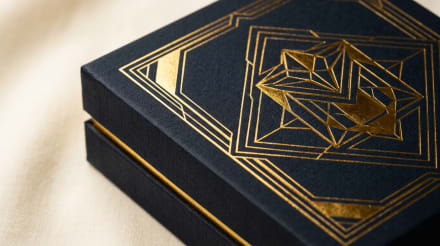 ◷ FINISH
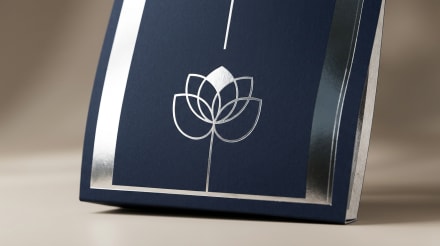 ◷ FINISH
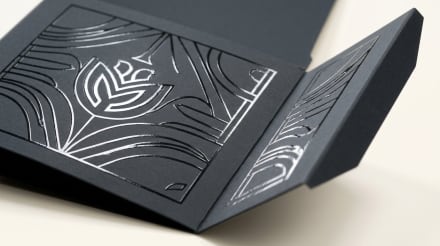 ◷ FINISH
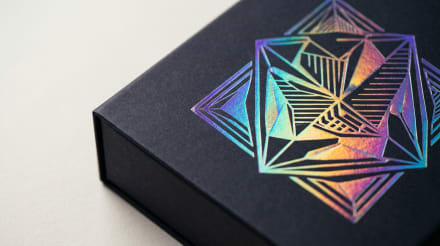 ◷ FINISH
 ◷ FINISH
 ◷ FINISH
 ◷ FINISH
 ◷ FINISH
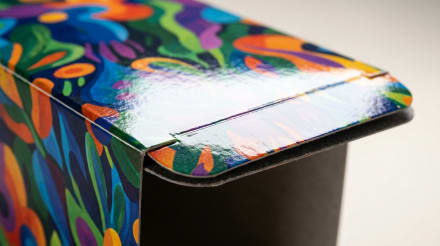 ◷ FINISH
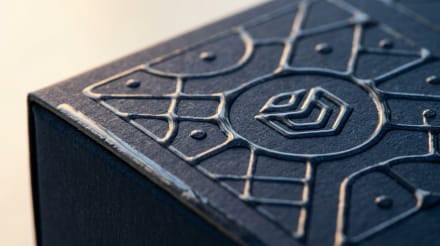 ◷ FINISH
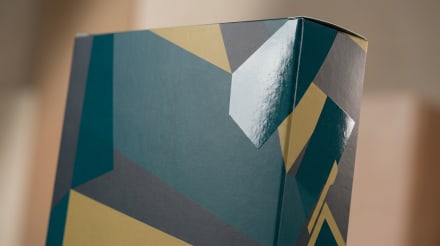 ◷ FINISH
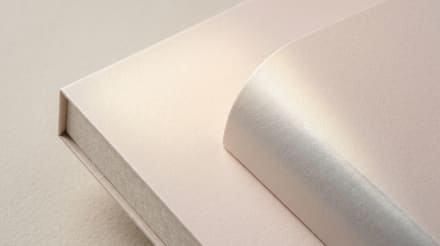 ◷ FINISH
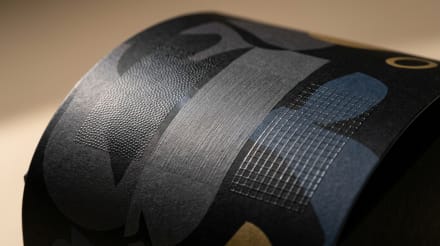 ◷ FINISH
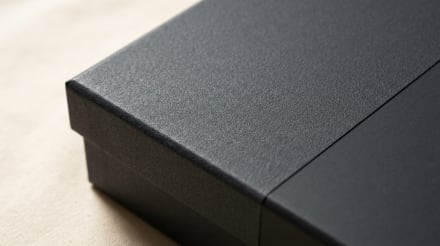 ◷ FINISH
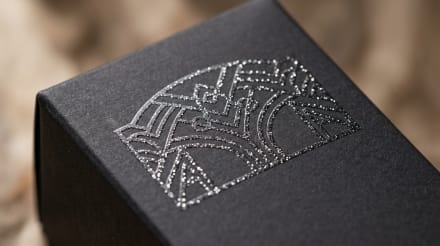 ◷ FINISH
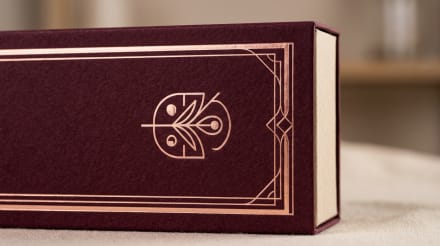 ◷ FINISH
 ◷ FINISH
 ◷ FINISH
 ◷ FINISH
 ◷ FINISH
 ◷ FINISH
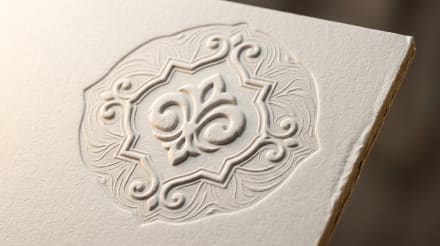 ◷ FINISH
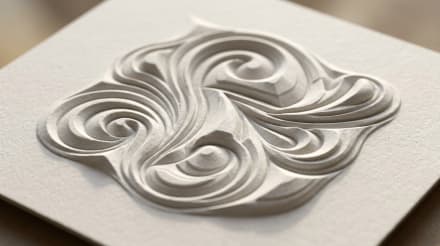 ◷ FINISH
 ◷ FINISH
 ◷ FINISH
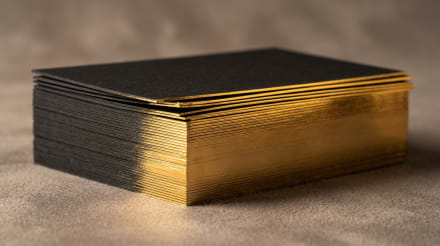 ◷ FINISH
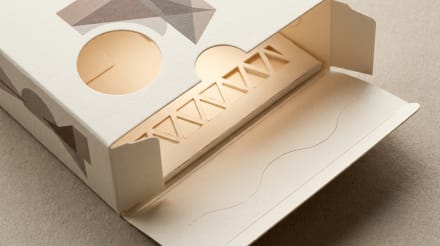 ◷ FINISH
 ◷ FINISH
Add-ons
Closures, linings, and hardware that complete the build.
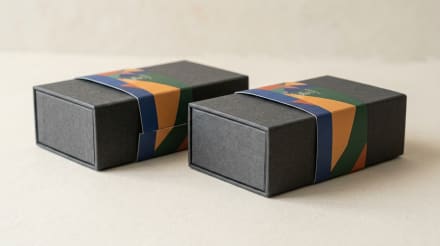 ◷ FINISH
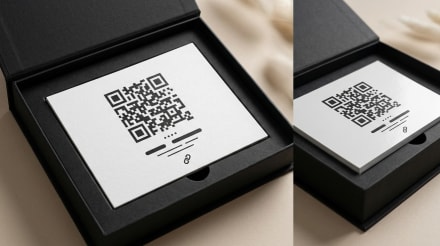 ◷ FINISH
✦ Mix and match across all three and we'll build your exact combination.
The full kit of capabilities.
Sizing & dieline.
We cut Custom Printed Brochures to a dieline built around your product instead of pulling a stock size off the shelf. Send us the length, width and height of the item (or the item itself) and we return a measured dieline, free, before you commit to anything.
Length, width and height of the item itself, at its widest points. Measure the product, not the box you happen to use today.
Allow 2–4 mm on each axis for a snug fit, and more if you are adding foam, a pillow insert or tissue.
We quote as Length × Width × Height. Tell us whether you are working in millimetres or inches and we match it.
✦ Not sure of your size? Send us the product and we measure it and build the dieline.
Pricing & minimums.
We price Custom Printed Brochures per specification rather than from a fixed list, because the same build in two different finishes can land at very different numbers. Below is what actually moves the price, so you can shape the spec before you request a quote.
The single biggest lever. Unit cost falls sharply as volume rises, because setup and tooling spread across more pieces.
Board weight and stock choice change both the raw material cost and the shipping weight of the finished run.
Foil, spot UV, embossing and soft-touch each add a pass on press. One or two lift the box; five compound the cost.
Full-bleed print inside and out costs more than a one-sided design on natural stock.
Foam, moulded pulp, velvet pillows, magnets and ribbon are priced per piece on top of the box itself.
Standard production is the base rate. Rush moves you up the production queue and carries a surcharge.
✦ Quotes returned within 24 hours.
Questions, answered.
Everything you need to know about Custom Printed Brochures.
Because each panel folds inside the one before it, and equal panels will not close. On a roll fold we step every inner panel down by a couple of millimetres so the piece shuts flat without buckling. We calculate the panel widths for you before artwork is laid out, since a file built on equal panels has to be rebuilt once it hits the folder.
Anything above roughly 170gsm gets creased first, or the fibres crack along the fold and show white through the ink. Creasing is a mechanical compression along the fold line that gives the sheet somewhere to bend. Coated stocks are the worst for cracking, and a dark solid across a fold shows it most. At 150 to 170gsm silk the sheet folds cleanly without it.
A gate fold parts from the centre with two flaps opening outward, while a tri-fold reads as cover, reveal, then the full spread. The gate is a single moment of opening, which suits one strong image inside. A tri-fold is a three-beat structure and a z-fold is a concertina where every panel can be used on both sides. We plan the artwork panel by panel in the order it is revealed.
Matt lamination for most jobs, because it stops finger marks on a piece that is handled repeatedly. Gloss lamination gives saturated colour and suits photographic or product-led work. Leaving it uncoated reads editorial and is the most recyclable route. Spot UV over matt on the cover panel and soft-touch for premium corporate pieces are the two upgrades we quote most.
An A4 sheet tri-folds to 8.27 × 3.9 inches and a US Letter sheet to 8.5 × 3.67 inches. We quote both the flat size and the folded size, since one governs the press sheet and the other governs the envelope or rack it has to fit. Give us the folded size you need and we will work the flat size back from it.
500 pieces is the starting quantity. Digital print made runs at that level economical, so a regional sales team can have its own version rather than sharing one national piece. Above 1,000 the unit cost drops again, and long litho runs go up to 100,000 copies.
Standard turnaround is 7 to 10 business days after you approve the proof. If a trade show is closer than that, a rush run comes through in 5 to 7 business days. A folded sample of your exact stock and fold takes 5 to 7 business days, and we recommend one on any heavy or coated stock so you can check the folds before committing. We knock the sample charge off the production invoice.
Yes, an unlaminated brochure on uncoated or silk stock goes straight into paper recycling. Lamination adds a plastic film that complicates that, so if recyclability matters we would suggest uncoated stock and no lamination, accepting a little more handling wear. Recycled paper with visible fibre is available where the message inside is about sustainability.
Other products you might love.


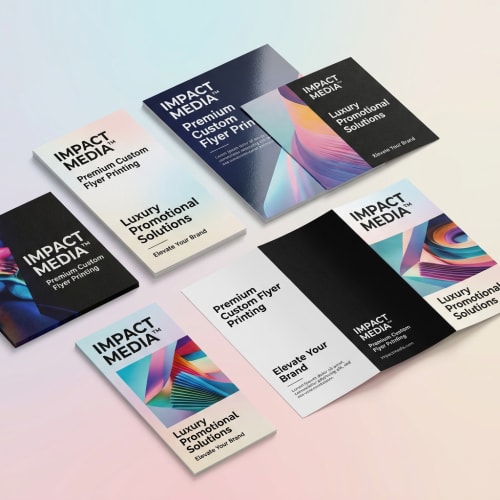
Ready to start your Custom Printed Brochures project?
Get a free quote in 24 hours. Our atelier is here to help.