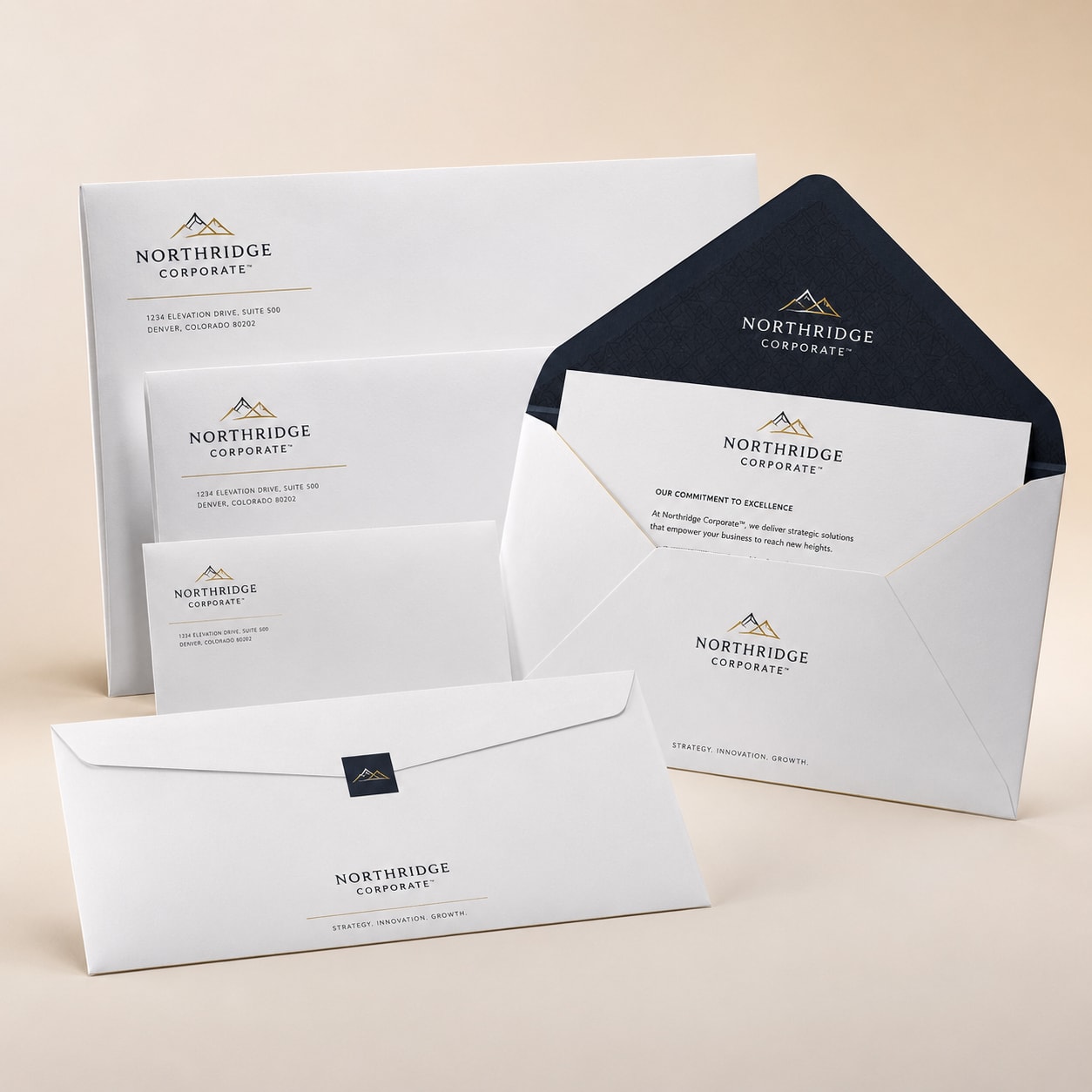
Custom Printed Envelopes.
Final price depends on size, material, finish and quantity. Your packaging manager confirms it before production.
Your custom box, quoted.
The full specification book.
Six chapters. Six colours. Click a tab to turn the page.
Printed Envelopes
The first thing opened and the first thing judged, in a format defined by postal machinery.
Envelopes are made to postal specifications before anything else. Window position, gum type and paper weight all sit inside those constraints.
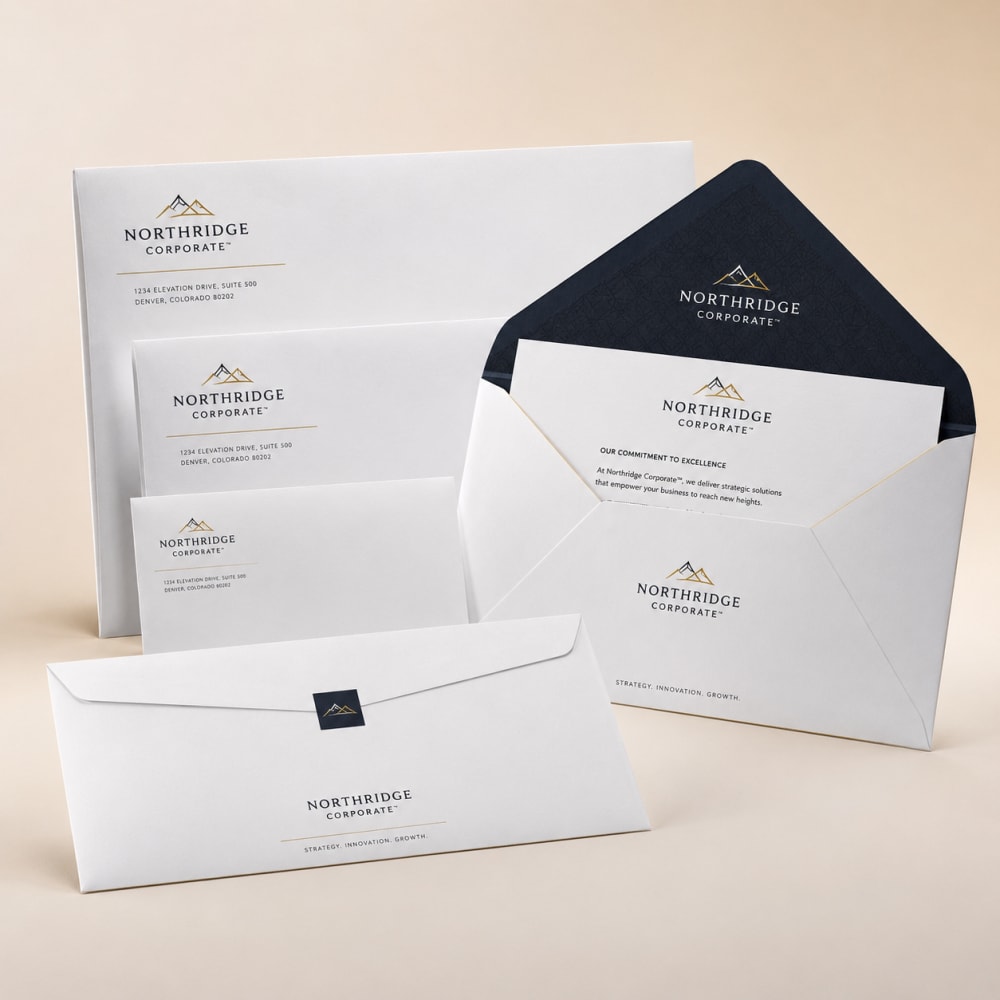
Every detail. Intentional.
Postal specs come first
Then design fits inside.
Window position is fixed
Address must show, always.
Gum or peel-and-seal
Volume decides which.
Weight affects postage
Every gram counts at scale.
Inside tint for privacy
Standard on financial mail.
Opened before anything else
Which makes it the first impression.
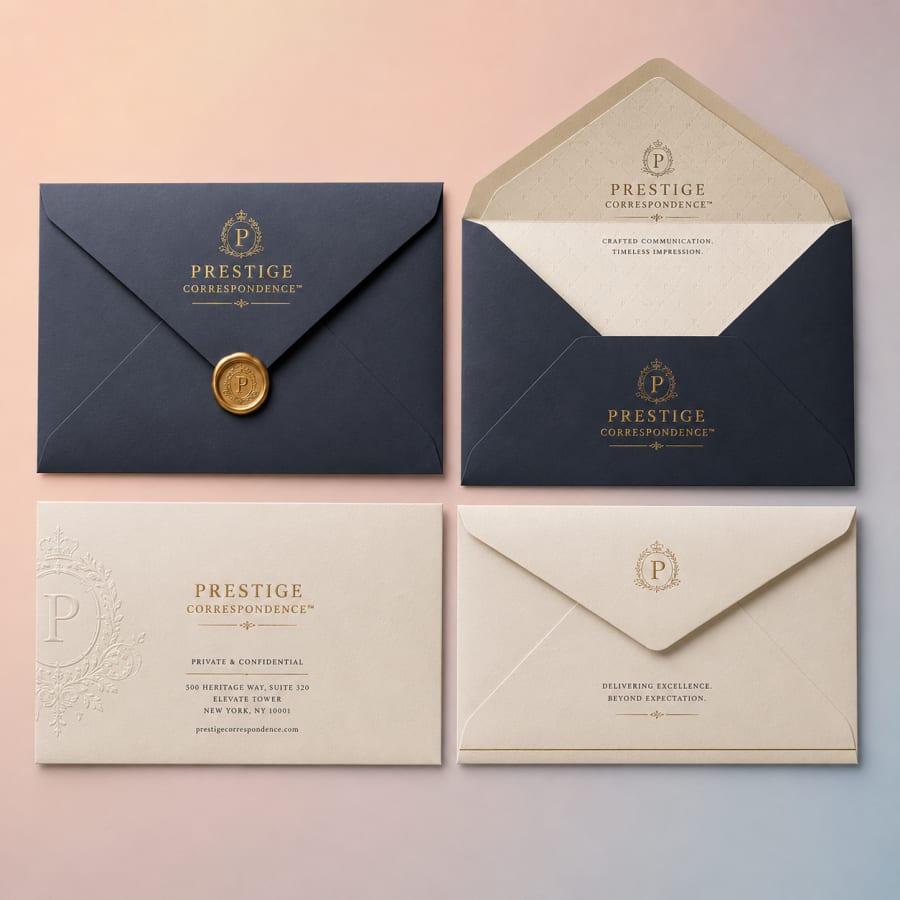
Built like architecture.
Every order of Custom Printed Envelopes is an engineered build, measured, dieline-cut and hand-wrapped to spec. Below is the standard build sheet.
✦ Need a custom spec? Talk to our atelier. Every detail is negotiable.
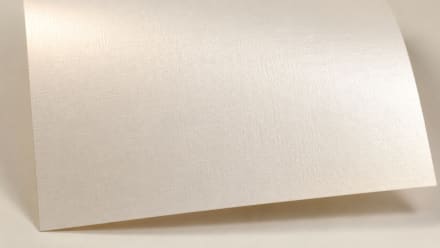
Every surface, hand-selected.
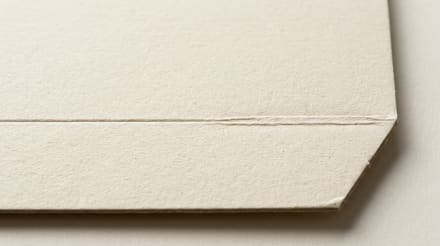
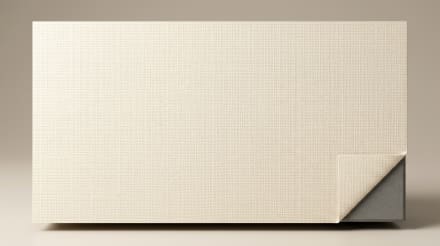
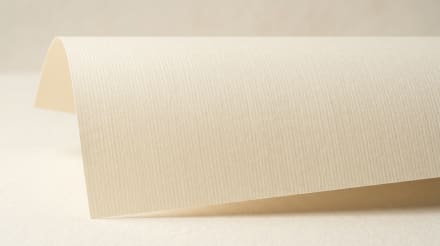
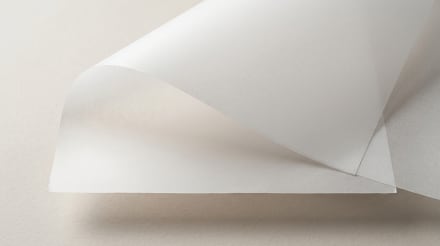
What this product is built from, and the surfaces it takes. Below the build sheet sits the full swatch library. Every option applies across our range, and a physical swatch set is available on request.
Material
The board and paper your box is built from.
 ◷ FINISH
 ◷ FINISH
 ◷ FINISH
 ◷ FINISH
 ◷ FINISH
 ◷ FINISH
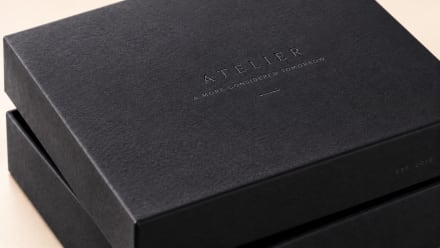
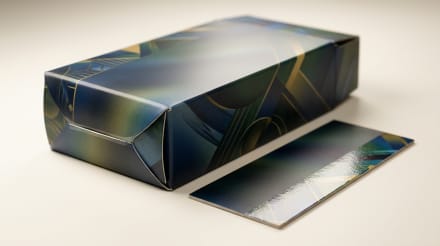
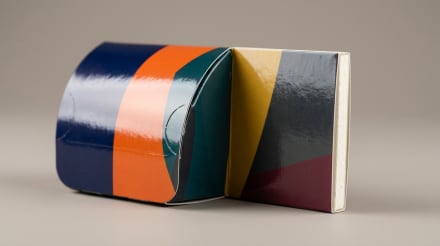
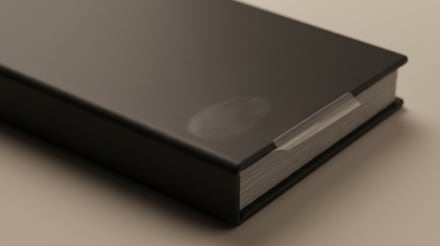
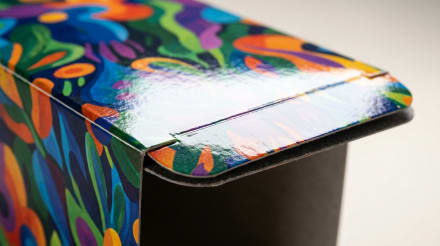
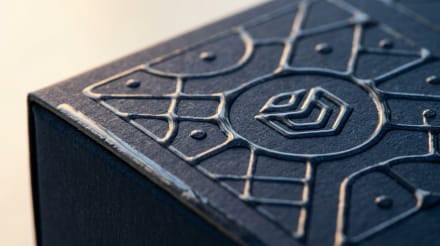
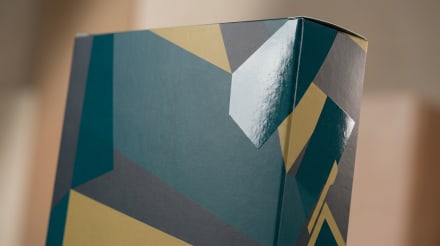
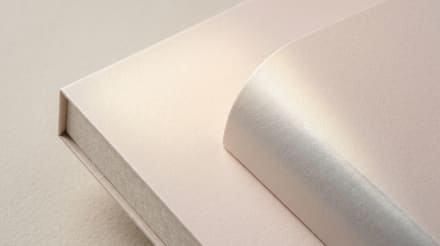
Finishes
How the outer surface looks, feels, and catches light.
 ◷ FINISH
 ◷ FINISH
 ◷ FINISH
 ◷ FINISH
 ◷ FINISH
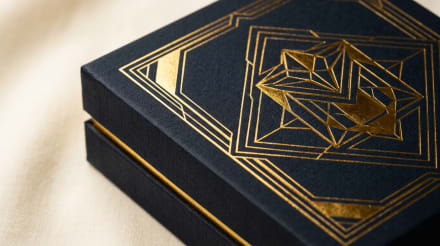 ◷ FINISH
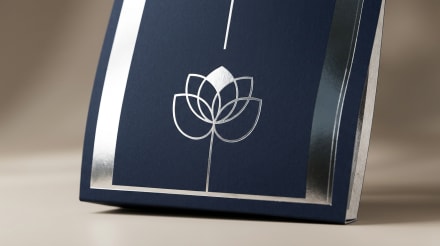 ◷ FINISH
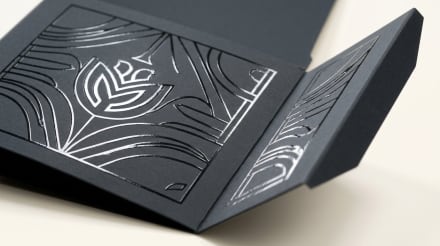 ◷ FINISH
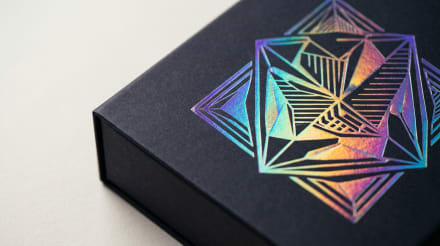 ◷ FINISH
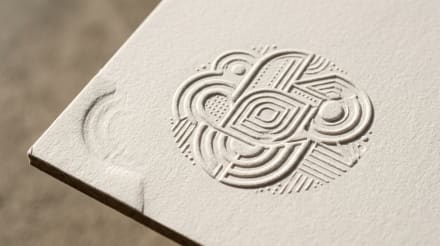 ◷ FINISH
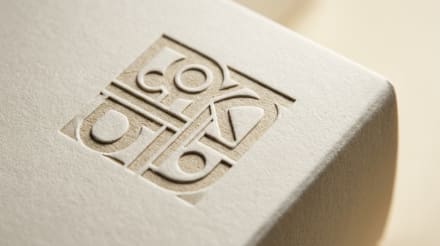 ◷ FINISH
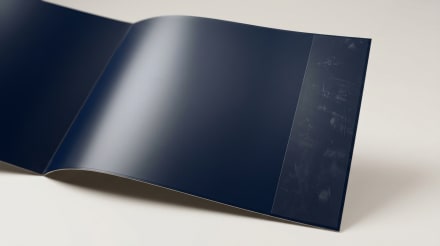 ◷ FINISH
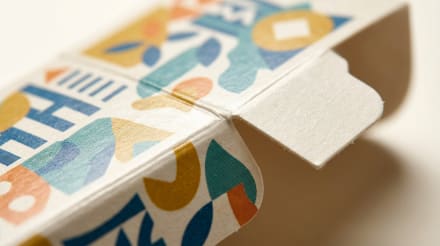 ◷ FINISH
 ◷ FINISH
 ◷ FINISH
 ◷ FINISH
 ◷ FINISH
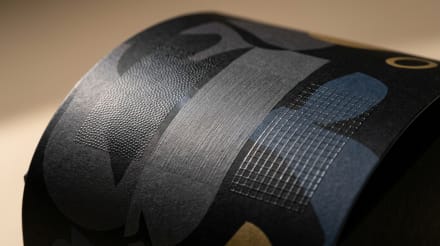 ◷ FINISH
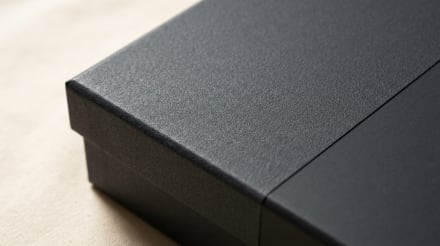 ◷ FINISH
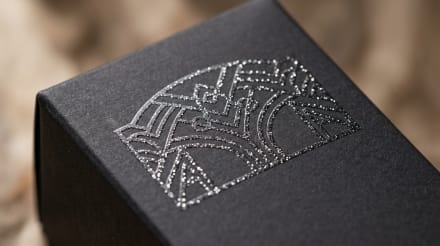 ◷ FINISH
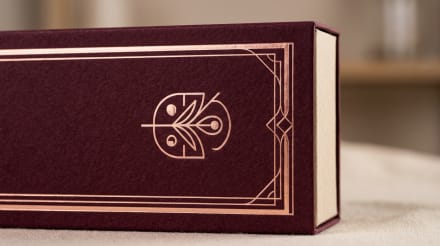 ◷ FINISH
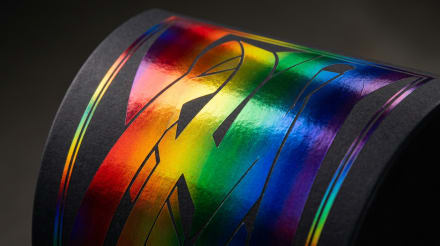 ◷ FINISH
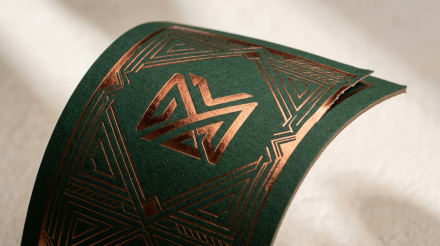 ◷ FINISH
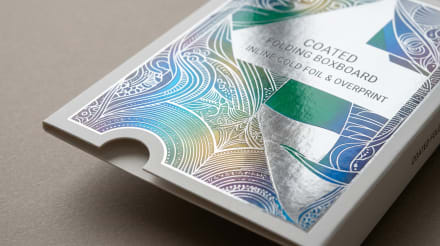 ◷ FINISH
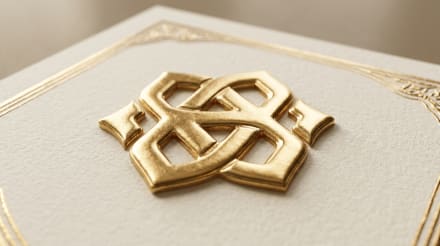 ◷ FINISH
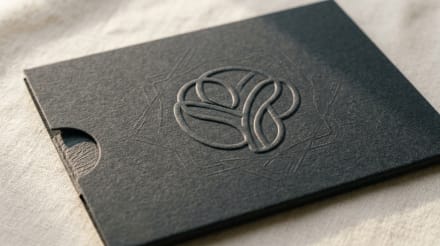 ◷ FINISH
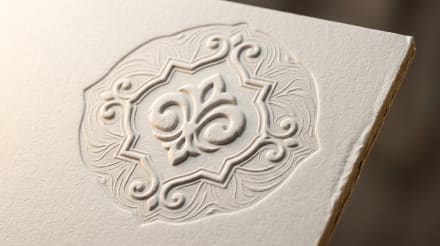 ◷ FINISH
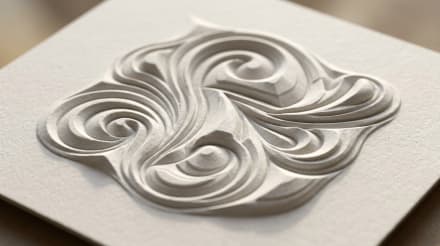 ◷ FINISH
 ◷ FINISH
 ◷ FINISH
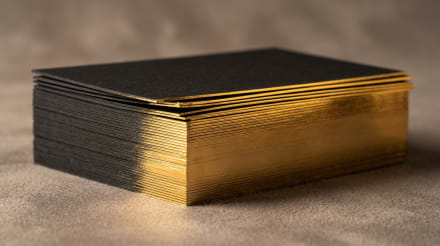 ◷ FINISH
 ◷ FINISH
 ◷ FINISH
Add-ons
Closures, linings, and hardware that complete the build.
 ◷ FINISH
 ◷ FINISH
✦ Mix and match across all three and we'll build your exact combination.
The full kit of capabilities.
Sizing & dieline.
We cut Custom Printed Envelopes to a dieline built around your product instead of pulling a stock size off the shelf. Send us the length, width and height of the item (or the item itself) and we return a measured dieline, free, before you commit to anything.
Length, width and height of the item itself, at its widest points. Measure the product, not the box you happen to use today.
Allow 2–4 mm on each axis for a snug fit, and more if you are adding foam, a pillow insert or tissue.
We quote as Length × Width × Height. Tell us whether you are working in millimetres or inches and we match it.
✦ Not sure of your size? Send us the product and we measure it and build the dieline.
Pricing & minimums.
We price Custom Printed Envelopes per specification rather than from a fixed list, because the same build in two different finishes can land at very different numbers. Below is what actually moves the price, so you can shape the spec before you request a quote.
The single biggest lever. Unit cost falls sharply as volume rises, because setup and tooling spread across more pieces.
Board weight and stock choice change both the raw material cost and the shipping weight of the finished run.
Foil, spot UV, embossing and soft-touch each add a pass on press. One or two lift the box; five compound the cost.
Full-bleed print inside and out costs more than a one-sided design on natural stock.
Foam, moulded pulp, velvet pillows, magnets and ribbon are priced per piece on top of the box itself.
Standard production is the base rate. Rush moves you up the production queue and carries a surcharge.
✦ Quotes returned within 24 hours.
Questions, answered.
Everything you need to know about Custom Printed Envelopes.
The window is cut to match your letter template, so we need the layout of the letter before the envelope is made. Postal rules fix where an address block may sit, and the window has to show that block in full when the sheet is folded and inserted. Moving the window after the die is cut means a new die.
Send us the letterhead file and we will position it from that.
Gummed flaps cost less and suit low volumes, while peel-and-seal closes instantly and is the choice for volume stuffing. Gum needs moistening by hand or machine, which is fine for a few hundred pieces a month. Once a mailing runs into thousands, the release-backed strip pays for itself in time saved.
100gsm wove is the standard business envelope stock, and 120gsm uncoated is the step up for premium stationery sets. The lighter sheet is smooth, opaque enough for ordinary correspondence and keeps postage down when every gram counts across a large mailing. The heavier stock matches premium letterhead in hand and colour.
Kraft and recycled stocks are both available where the correspondence suits a natural look.
Yes, but we print on the finished envelope, so heavy full-bleed coverage is not something we offer. Spot colour for a logo and return address is what we recommend most often, since it costs less and reproduces reliably across reprints. Full CMYK works for photographic panels that respect the seam margins.
Foil detail and a printed interior tint are available for invitations and financial mail.
DL at 4.33 by 8.66 inches, C5 at 6.38 by 9.02 inches and the American #10 at 4.125 by 9.5 inches cover most correspondence. C4 takes an unfolded A4 sheet, and square formats suit cards and invitations. Custom sizes are possible as long as they stay within postal machinery limits.
Measure the folded insert first, then allow a few millimetres of clearance on each side.
We print envelopes from 500 pieces upward. That covers a small firm's yearly correspondence in a single order, and the unit rate improves in tiers above 1,000. Larger mailing programmes can go to 100,000 in one run.
If you are ordering matched letterhead and compliment slips at the same time, we will run the whole set on the same stock.
Envelopes ship in 7 to 10 business days from artwork sign-off, or 5 to 7 business days on a rush. A printed sample can be in your hands in 5 to 7 business days so you can check the window against a real letter before committing. The sample fee comes off the production invoice.
Artwork setup and template help cost nothing.
An interior tint is a pattern printed on the inside of the envelope to stop the contents reading through. It is standard on financial and payroll mail, and it also gives the recipient a considered detail on opening. The tint can be a plain security hatch or a brand pattern.
Recycled and kraft stocks are slightly less opaque than white wove, so a tint matters more on them.
Other products you might love.


Ready to start your Custom Printed Envelopes project?
Get a free quote in 24 hours. Our atelier is here to help.