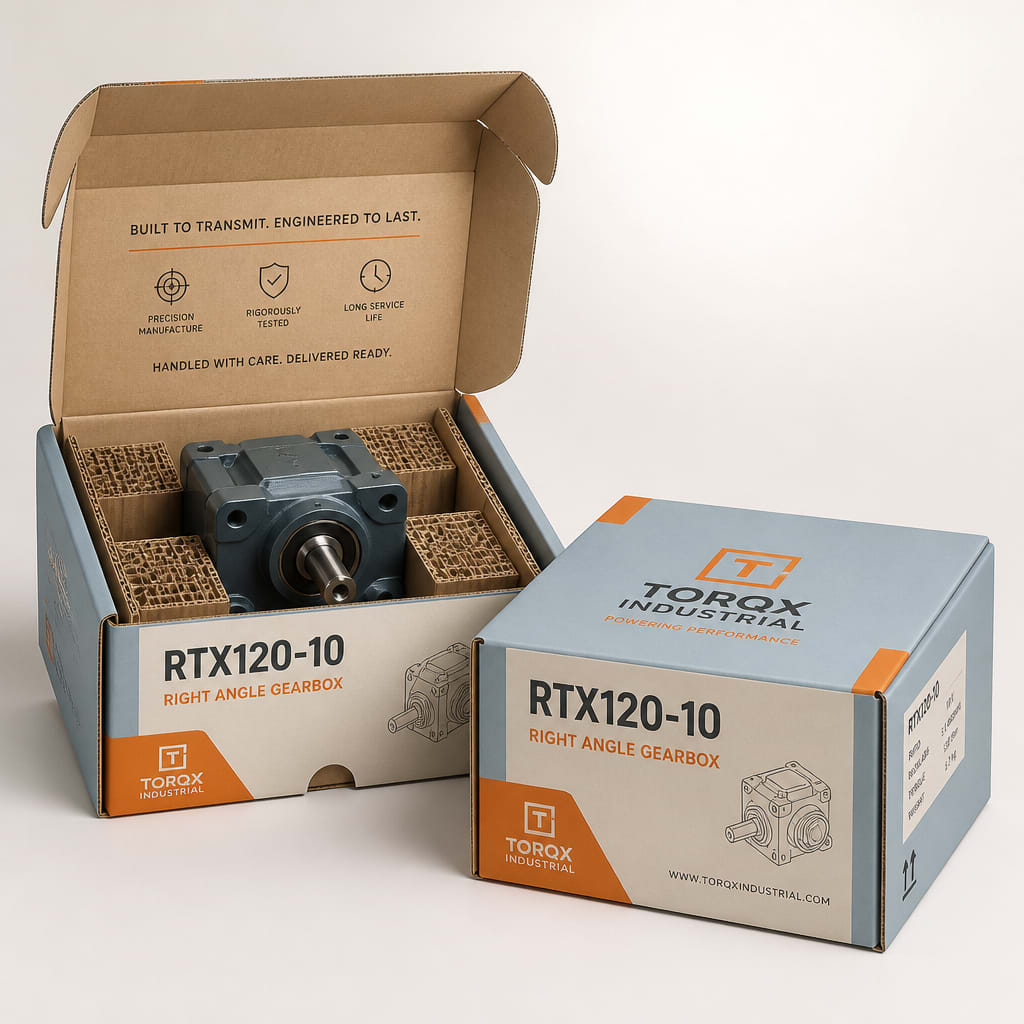
Industrial Component Boxes.
Final price depends on size, material, finish and quantity. Your packaging manager confirms it before production.
Your custom box, quoted.
The full specification book.
Six chapters. Six colours. Click a tab to turn the page.
Industrial Component Boxes
Parts headed for an assembly line, in packaging judged by how fast it unloads.
Industrial packing is measured in seconds per part at the line. Orientation, count accuracy and stackability matter far more than appearance.
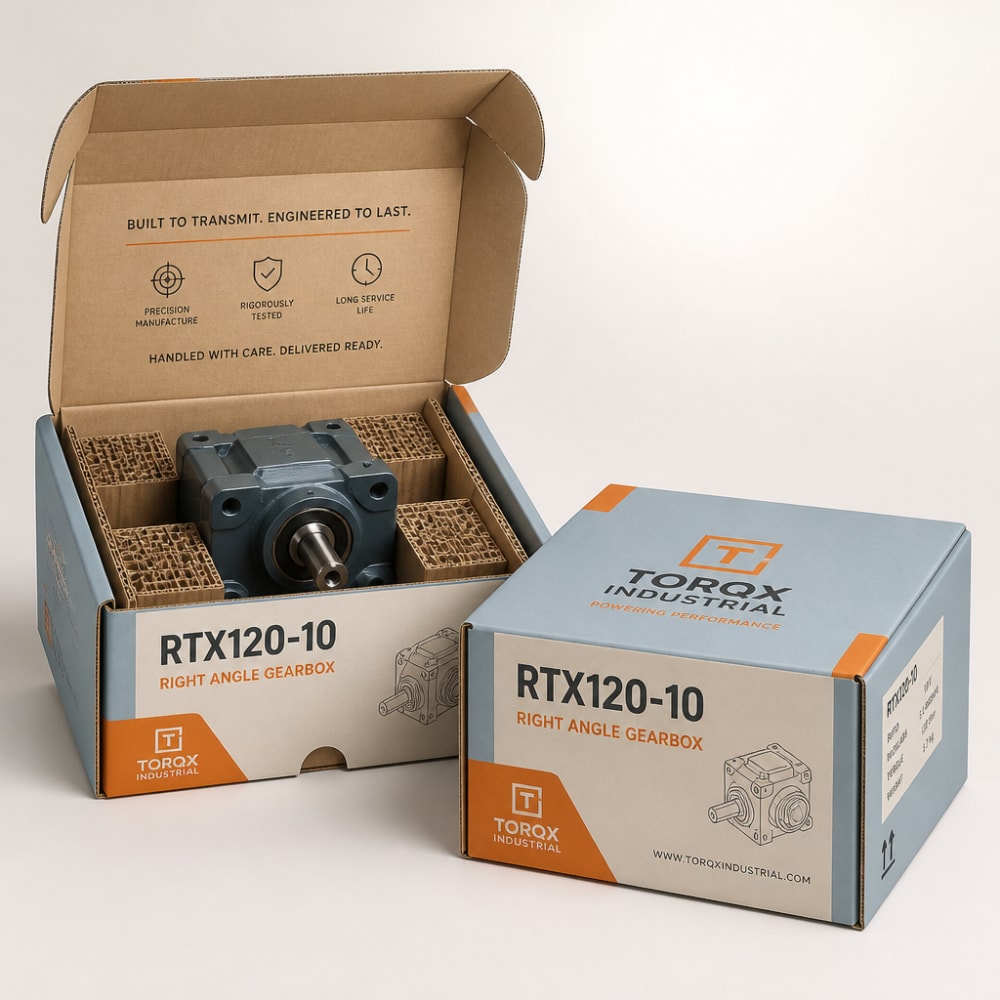
Every detail. Intentional.
Measured at the line
Seconds per part.
Fixed orientation
Which automation requires.
Count accuracy is critical
Shortages stop production.
Returnable versions exist
Where volumes justify it.
Part number reads large
Found in a busy store.
Stacks to full pallet height
Compression rated.
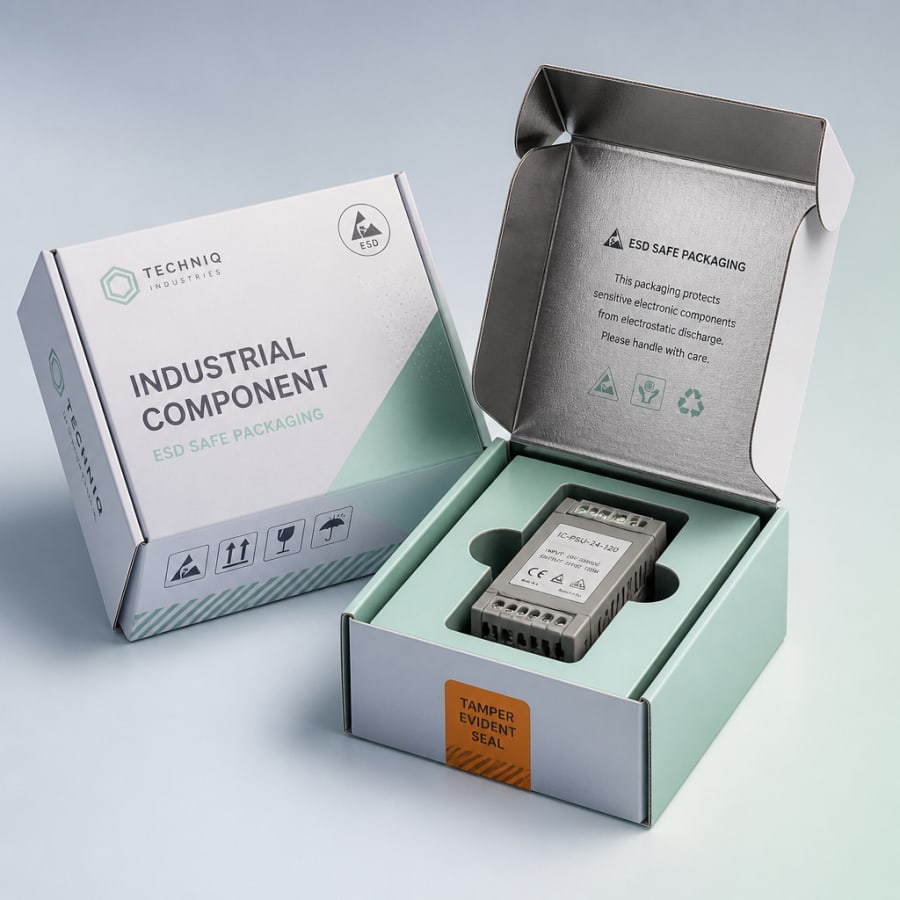
Built like architecture.
Every order of Industrial Component Boxes is an engineered build, measured, dieline-cut and hand-wrapped to spec. Below is the standard build sheet.
✦ Need a custom spec? Talk to our atelier. Every detail is negotiable.
Every surface, hand-selected.
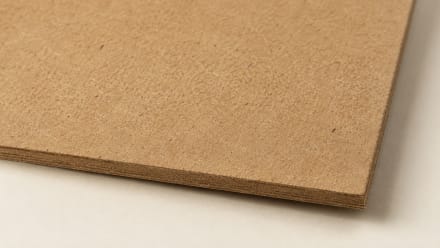
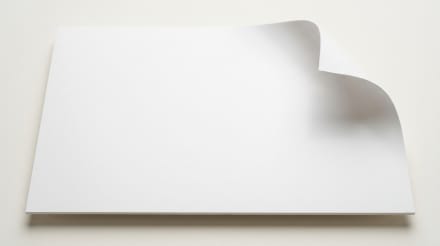
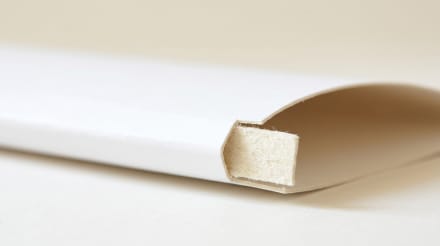
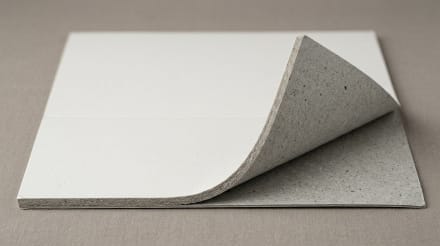
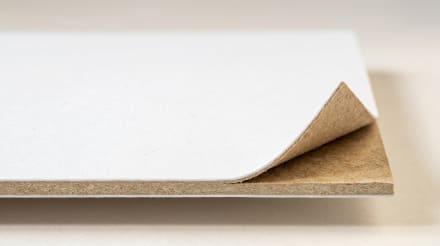
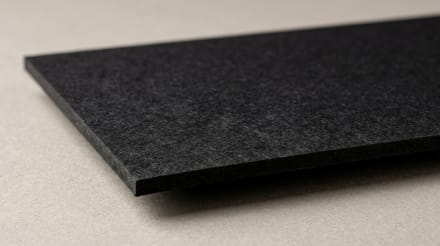
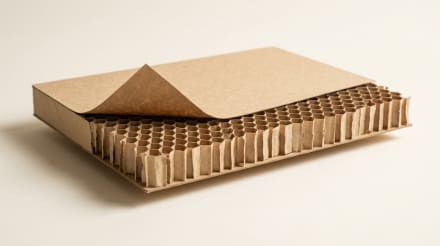
What this product is built from, and the surfaces it takes. Below the build sheet sits the full swatch library. Every option applies across our range, and a physical swatch set is available on request.
Material
The board and paper your box is built from.
 ◷ ECO
◷ ECO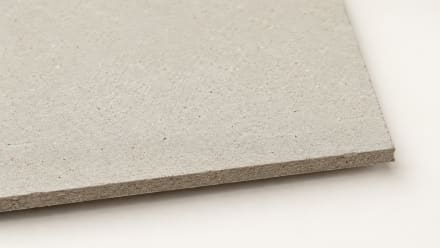 ◷ FINISH
 ◷ FINISH
 ◷ FINISH
 ◷ FINISH
 ◷ FINISH
 ◷ FINISH
 ◷ FINISH
 ◷ FINISH
 ◷ FINISH
 ◷ FINISH
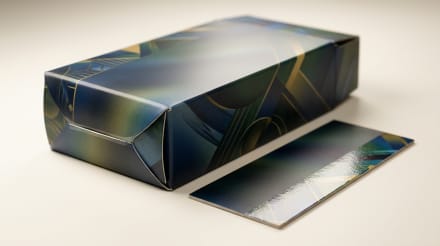
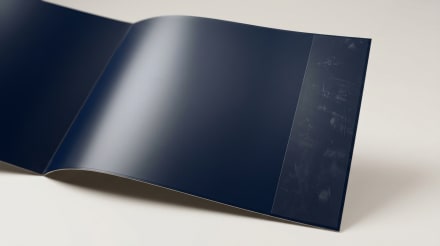
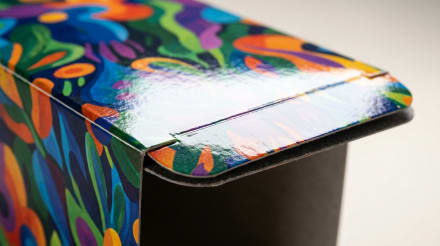
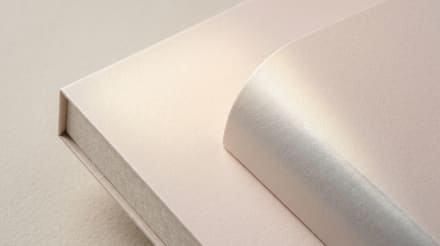
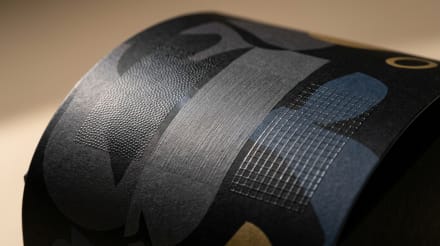
Finishes
How the outer surface looks, feels, and catches light.
 ◷ FINISH
 ◷ FINISH
 ◷ FINISH
 ◷ FINISH
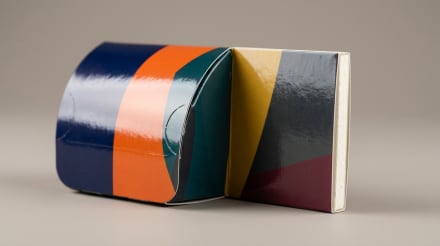 ◷ FINISH
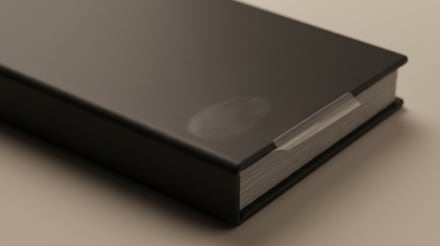 ◷ FINISH
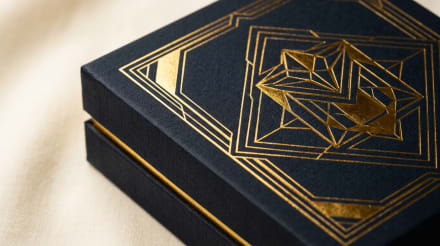 ◷ FINISH
 ◷ FINISH
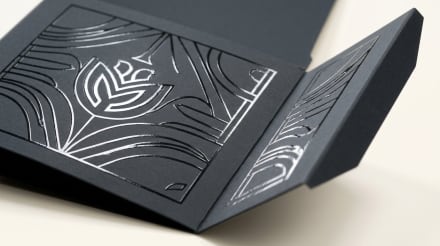 ◷ FINISH
 ◷ FINISH
 ◷ FINISH
 ◷ FINISH
 ◷ FINISH
 ◷ FINISH
 ◷ FINISH
 ◷ FINISH
 ◷ FINISH
 ◷ FINISH
 ◷ FINISH
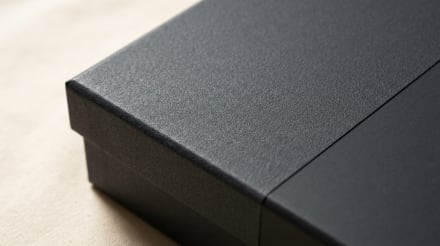 ◷ FINISH
 ◷ FINISH
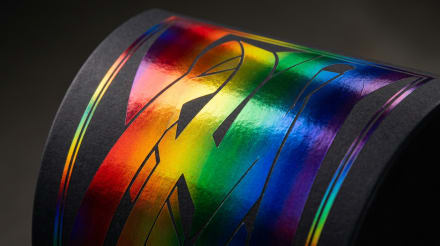 ◷ FINISH
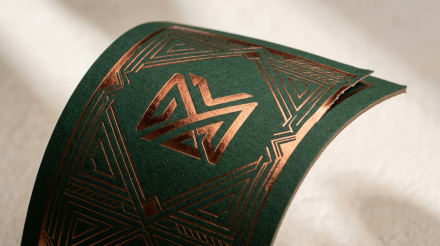 ◷ FINISH
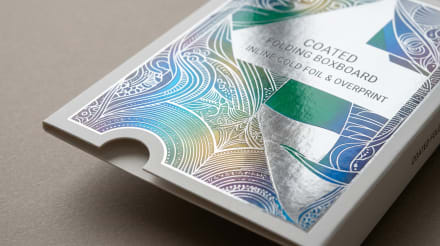 ◷ FINISH
 ◷ FINISH
 ◷ FINISH
 ◷ FINISH
 ◷ FINISH
 ◷ FINISH
 ◷ FINISH
Add-ons
Closures, linings, and hardware that complete the build.
 ◷ FINISH
 ◷ FINISH
 ◷ FINISH
 ◷ FINISH
✦ Mix and match across all three and we'll build your exact combination.
The full kit of capabilities.
Sizing & dieline.
We cut Industrial Component Boxes to a dieline built around your product instead of pulling a stock size off the shelf. Send us the length, width and height of the item (or the item itself) and we return a measured dieline, free, before you commit to anything.
Length, width and height of the item itself, at its widest points. Measure the product, not the box you happen to use today.
Allow 2–4 mm on each axis for a snug fit, and more if you are adding foam, a pillow insert or tissue.
We quote as Length × Width × Height. Tell us whether you are working in millimetres or inches and we match it.
✦ Not sure of your size? Send us the product and we measure it and build the dieline.
Pricing & minimums.
We price Industrial Component Boxes per specification rather than from a fixed list, because the same build in two different finishes can land at very different numbers. Below is what actually moves the price, so you can shape the spec before you request a quote.
The single biggest lever. Unit cost falls sharply as volume rises, because setup and tooling spread across more pieces.
Board weight and stock choice change both the raw material cost and the shipping weight of the finished run.
Foil, spot UV, embossing and soft-touch each add a pass on press. One or two lift the box; five compound the cost.
Full-bleed print inside and out costs more than a one-sided design on natural stock.
Foam, moulded pulp, velvet pillows, magnets and ribbon are priced per piece on top of the box itself.
Standard production is the base rate. Rush moves you up the production queue and carries a surcharge.
✦ Quotes returned within 24 hours.
Questions, answered.
Everything you need to know about Industrial Component Boxes.
BC double wall gives the box enough compression strength to sit at the bottom of a full pallet without the lower tiers crushing. Machined parts are dense, and a single wall carton that bows under load throws off the fixed orientation that line-side staff and pick-and-place equipment depend on.
We specify the grade from edge crush strength, which governs palletised stacking. Dense, concentrated loads also get a full overlap base, where the bottom flaps run the whole width of the box. For lighter parts we drop to B-flute single wall.
A VCI liner gives off a vapour corrosion inhibitor that settles on exposed metal inside the closed box and slows rust without any oil or coating on the part. Parts come out clean and can go straight to the line.
We'd specify one for any bare machined surface. On sea freight it's standard practice, since weeks in a humid container are a common reason for scrapped stock on arrival.
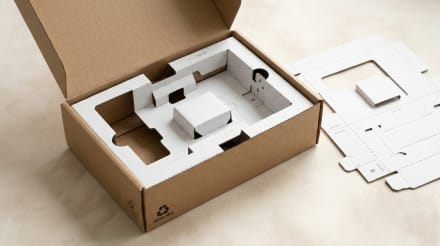
Yes, a foam or moulded pulp insert can seat each part in the same position and the same way up in every box. A robot or an operator reaching in expects the part at a set angle, and the insert also keeps precision surfaces from touching each other or the carton wall.
Count accuracy gets easier too. An empty cavity shows at a glance before the box leaves packing, so a short count is caught at your end instead of stopping a line.
Most industrial supply ships in unprinted kraft, with the marking doing the real work. We print the part number oversized and high contrast on several faces so it reads from a rack at any angle, plus handling symbols for weight and orientation.
A single flexo colour covers a logo if you want one. We also lay out blank zones for batch and lot data applied at packing, and a data matrix area sized to scan reliably in warehouse light. Decorative print isn't something we'd spend your money on here.
We work out the inside length, width and depth needed to hold the part plus its insert, then build the box to those internal dimensions. Common sizes in this range run from about 6 by 4 by 3 inches up to 12 by 9 by 6 inches, though most orders are cut to the part.
If you pack a set count per box, send a drawing or a sample part with the count, and we'll lay it out so the carton fills without voids that let parts shift.
The minimum run for component boxes is 500. Pricing is tiered, and the unit cost steps down once an order passes 1,000, which is where a lot of line-supply programmes settle.
Runs go as high as 100,000 for high-volume parts. If you only need a few boxes to trial on the line first, a pre-production sample is a better route than a short run.
Standard production is 7 to 10 business days from spec sign-off, and a rush slot brings that down to 5 to 7. A physical sample takes 5 to 7 business days, which gives you time to run it through the actual packing and unloading step before committing.
We credit the sample fee against the bulk order, so checking insert position and fit on your own line doesn't add to the job once you go ahead.
Returnable boxes pay off where volumes are high and the same route runs back and forth between a supplier and one plant. For one-way shipments and export, a single-trip corrugated box with a VCI liner is simpler to manage and cheaper over a year.
Single-trip corrugated goes into the plant's normal cardboard recycling after unpacking. Tell us your volumes and route, and we'll say which way we'd lean for your parts.
Other products you might love.
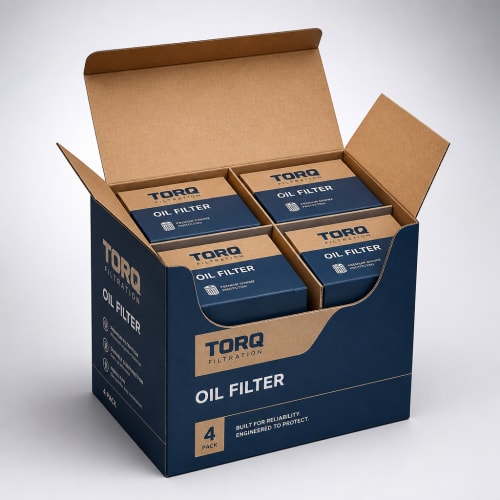




Ready to start your Industrial Component Boxes project?
Get a free quote in 24 hours. Our atelier is here to help.