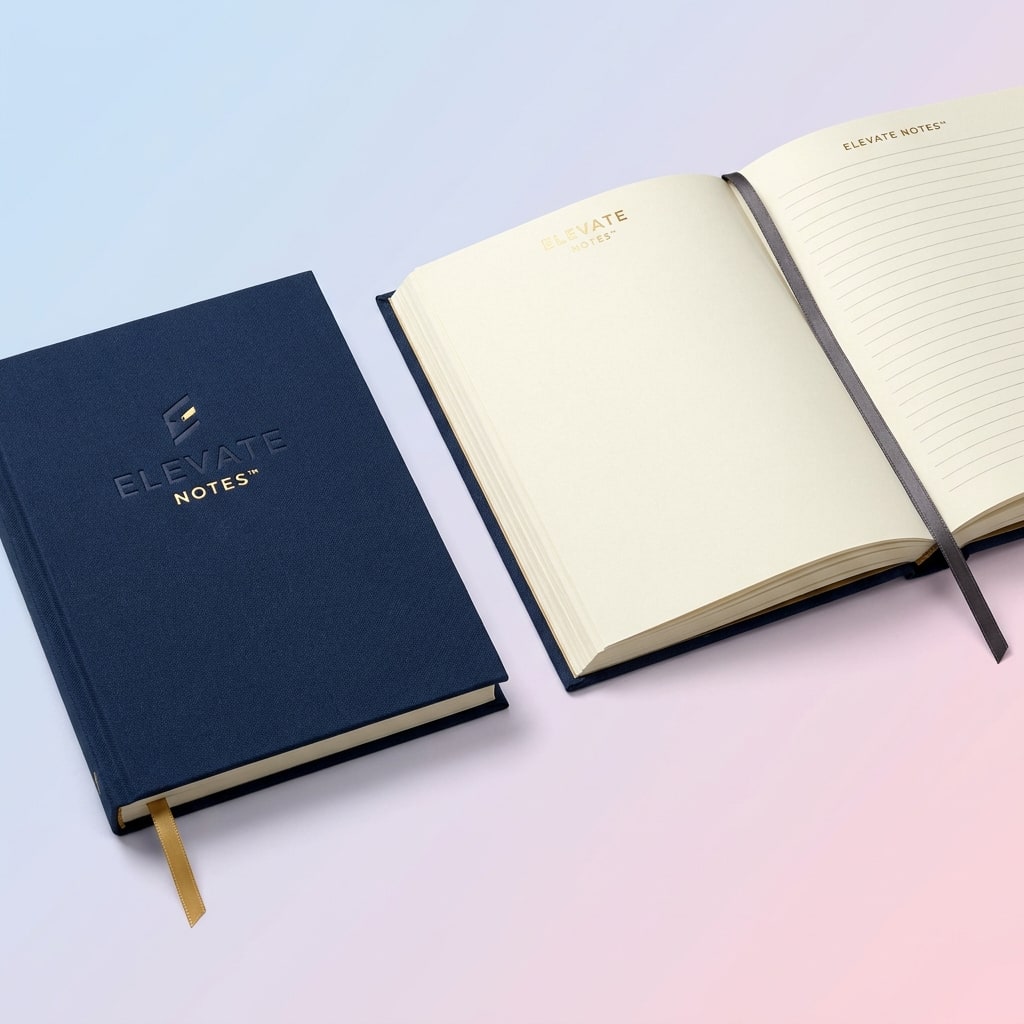
Custom Printed Journals.
Final price depends on size, material, finish and quantity. Your packaging manager confirms it before production.
Your custom box, quoted.
The full specification book.
Six chapters. Six colours. Click a tab to turn the page.
Journals Printing
A book someone writes in daily for a year, so binding and paper are the whole product.
Journals are used harder than notebooks and kept longer. Sewn binding, heavier paper and a cover that survives a bag are what distinguish them.
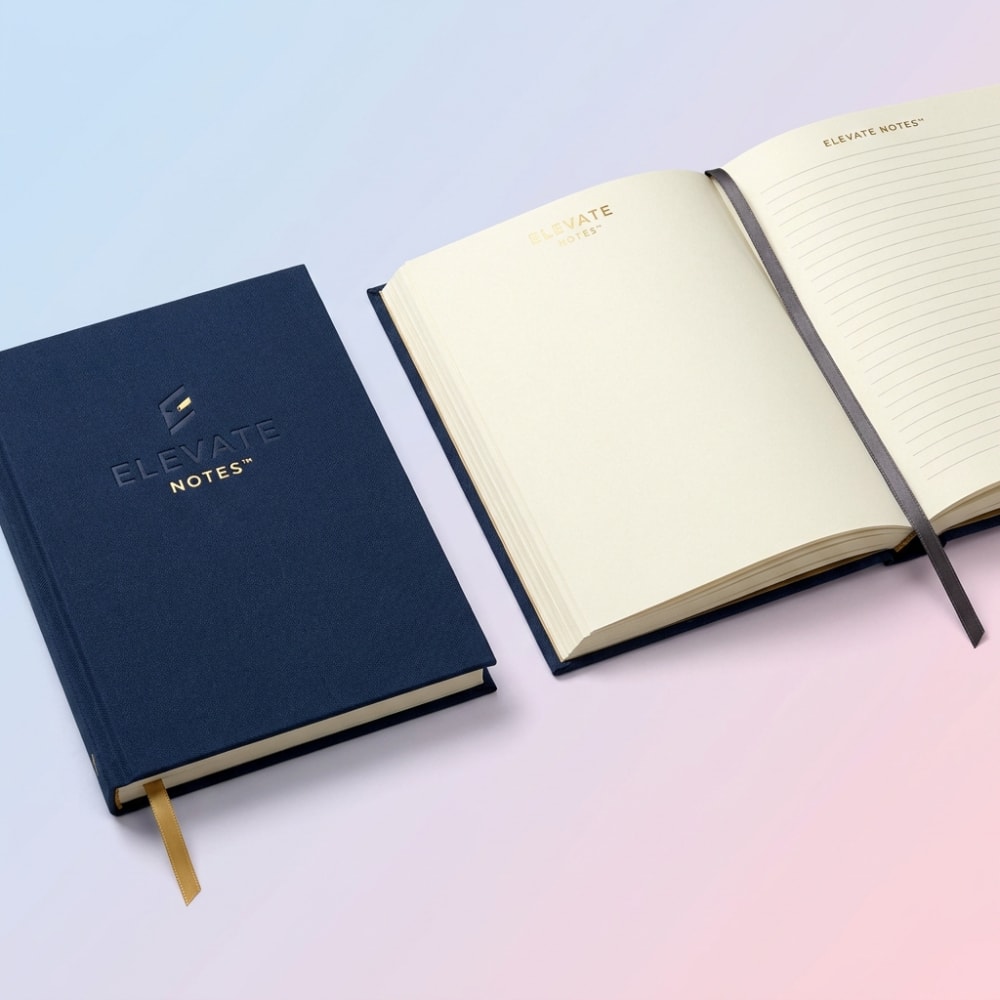
Every detail. Intentional.
Used daily for a year
Which binding must survive.
Sewn binding lies flat
Glue alone cracks.
Paper weight stops show-through
100gsm and above.
Ribbon marker and elastic
Small details buyers notice.
Cover takes bag abrasion
Laminated or bonded leather.
Deboss suits the cover
Better than surface print.
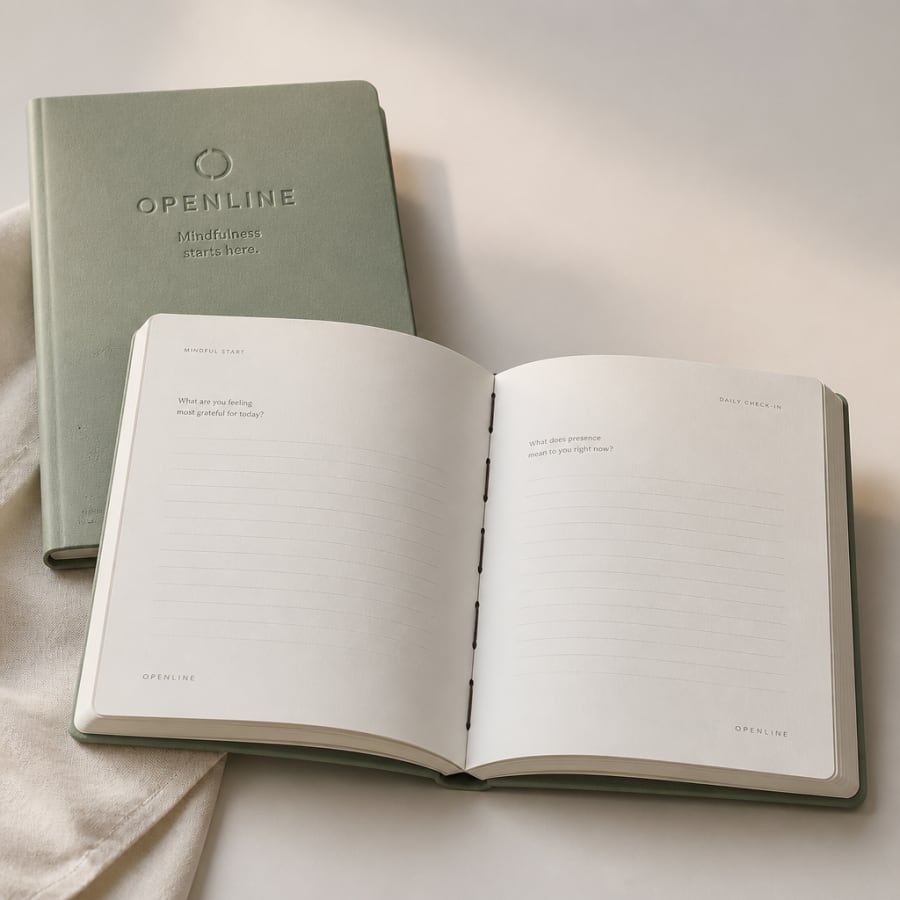
Built like architecture.
Every order of Custom Printed Journals is an engineered build, measured, dieline-cut and hand-wrapped to spec. Below is the standard build sheet.
✦ Need a custom spec? Talk to our atelier. Every detail is negotiable.
Every surface, hand-selected.
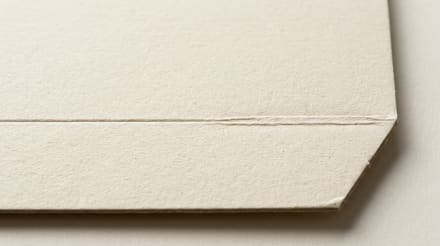
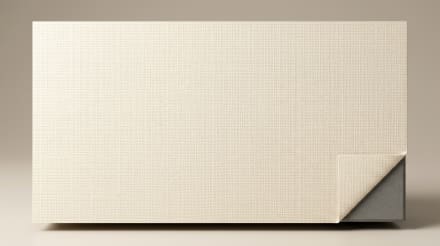
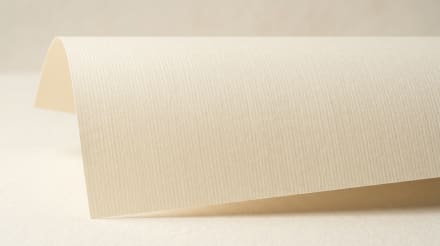
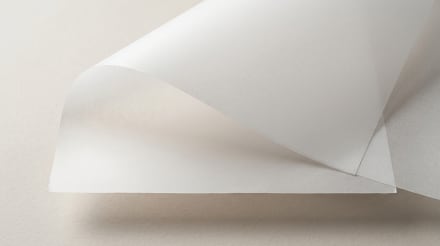
What this product is built from, and the surfaces it takes. Below the build sheet sits the full swatch library. Every option applies across our range, and a physical swatch set is available on request.
Material
The board and paper your box is built from.
 ◷ FINISH
 ◷ FINISH
 ◷ FINISH
 ◷ FINISH
 ◷ FINISH
 ◷ FINISH
Finishes
How the outer surface looks, feels, and catches light.
 ◷ FINISH
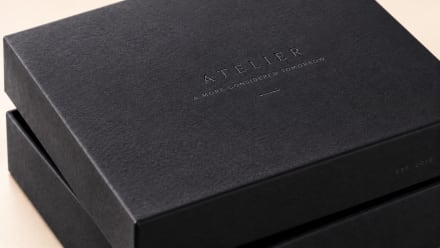 ◷ FINISH
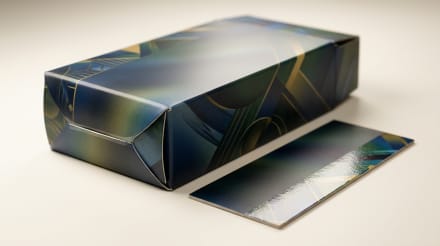 ◷ FINISH
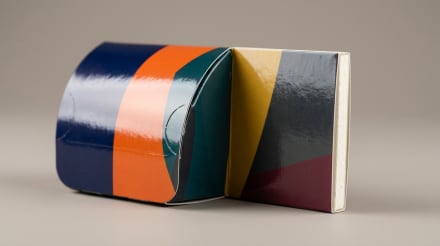 ◷ FINISH
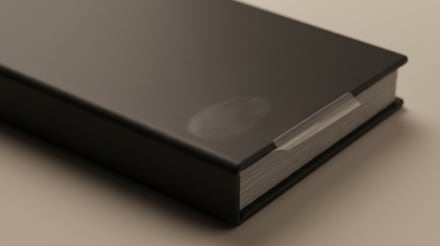 ◷ FINISH
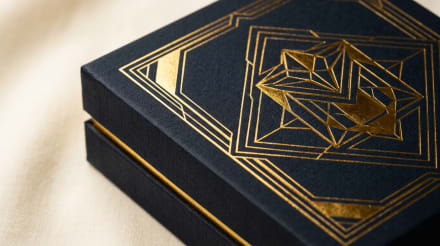 ◷ FINISH
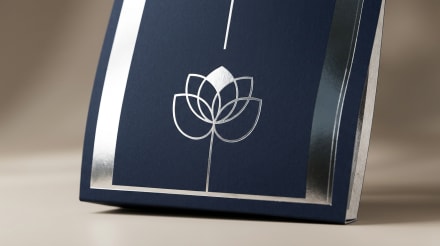 ◷ FINISH
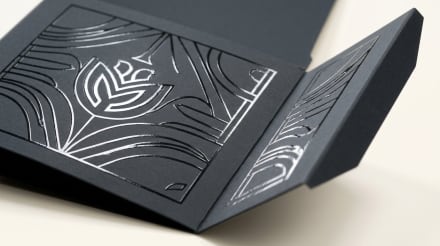 ◷ FINISH
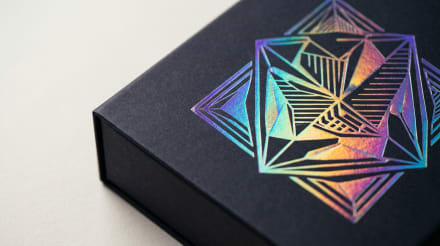 ◷ FINISH
 ◷ FINISH
 ◷ FINISH
 ◷ FINISH
 ◷ FINISH
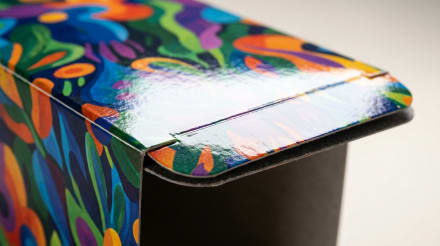 ◷ FINISH
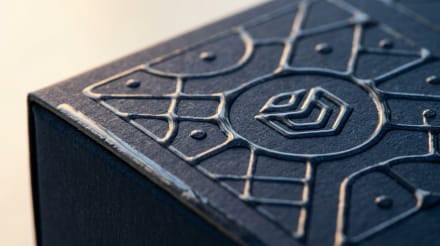 ◷ FINISH
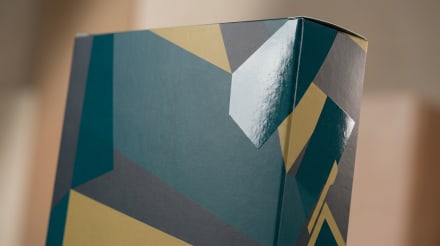 ◷ FINISH
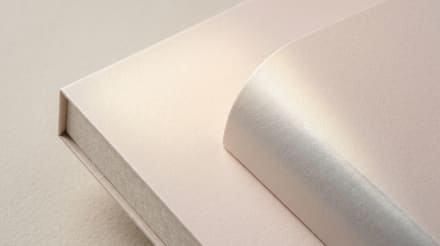 ◷ FINISH
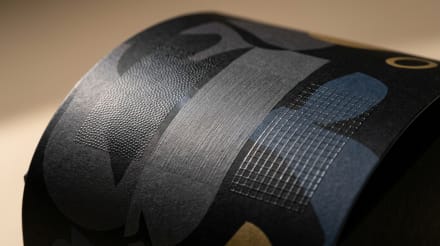 ◷ FINISH
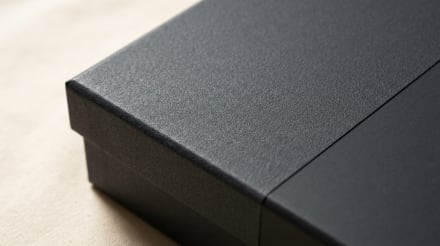 ◷ FINISH
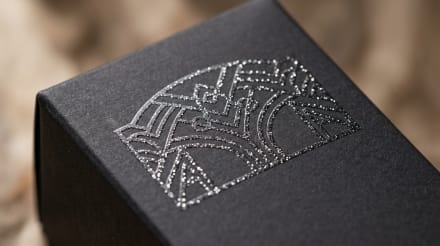 ◷ FINISH
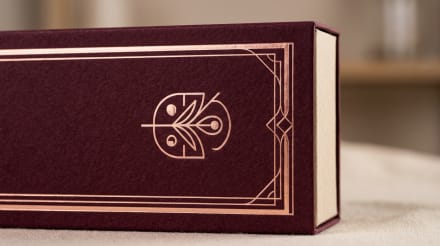 ◷ FINISH
 ◷ FINISH
 ◷ FINISH
 ◷ FINISH
 ◷ FINISH
 ◷ FINISH
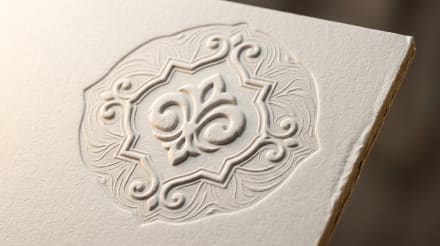 ◷ FINISH
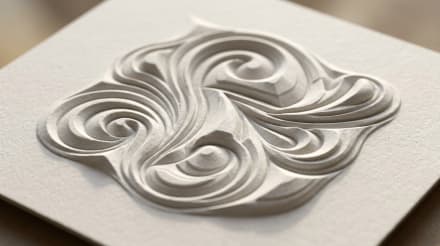 ◷ FINISH
 ◷ FINISH
 ◷ FINISH
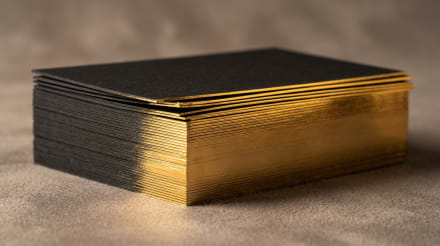 ◷ FINISH
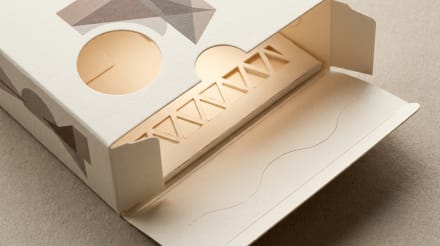 ◷ FINISH
 ◷ FINISH
Add-ons
Closures, linings, and hardware that complete the build.
 ◷ FINISH
 ◷ FINISH
✦ Mix and match across all three and we'll build your exact combination.
The full kit of capabilities.
Sizing & dieline.
We cut Custom Printed Journals to a dieline built around your product instead of pulling a stock size off the shelf. Send us the length, width and height of the item (or the item itself) and we return a measured dieline, free, before you commit to anything.
Length, width and height of the item itself, at its widest points. Measure the product, not the box you happen to use today.
Allow 2–4 mm on each axis for a snug fit, and more if you are adding foam, a pillow insert or tissue.
We quote as Length × Width × Height. Tell us whether you are working in millimetres or inches and we match it.
✦ Not sure of your size? Send us the product and we measure it and build the dieline.
Pricing & minimums.
We price Custom Printed Journals per specification rather than from a fixed list, because the same build in two different finishes can land at very different numbers. Below is what actually moves the price, so you can shape the spec before you request a quote.
The single biggest lever. Unit cost falls sharply as volume rises, because setup and tooling spread across more pieces.
Board weight and stock choice change both the raw material cost and the shipping weight of the finished run.
Foil, spot UV, embossing and soft-touch each add a pass on press. One or two lift the box; five compound the cost.
Full-bleed print inside and out costs more than a one-sided design on natural stock.
Foam, moulded pulp, velvet pillows, magnets and ribbon are priced per piece on top of the box itself.
Standard production is the base rate. Rush moves you up the production queue and carries a surcharge.
✦ Quotes returned within 24 hours.
Questions, answered.
Everything you need to know about Custom Printed Journals.
A sewn spine opens flat and survives a year of daily use, where a glued spine cracks and sheds pages. The signatures are stitched through the fold with thread, then the block is glued to the cover, so the thread carries the strain every time the book is forced open on a desk.
We don't offer perfect binding on journals for this reason. Wire-o is the other lay-flat option if you want the cover to fold right back.
100gsm is the practical minimum, and 120gsm is what we suggest for anyone using a fountain pen. Copier-weight 80gsm bleeds with markers and wet nibs, which is why we don't stock it for journals at all.
The 120gsm sheet also cuts ghosting, the faint show-through of writing from the other side of the page, so both sides stay usable.
Hardcover board, softcover and bound cloth are the three cover types, and each takes foil, deboss and soft-touch differently. A hardcover in laminated or bonded material takes bag abrasion best. Cloth reads traditional and shows a debossed mark well.
Softcovers are lighter and cheaper but scuff faster at the corners, so we suggest them for shorter-life notebooks rather than a journal meant to last the year.
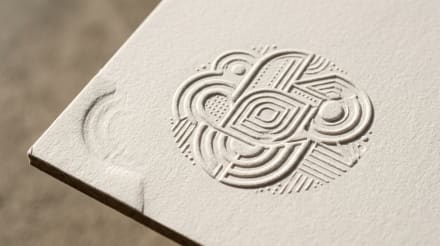
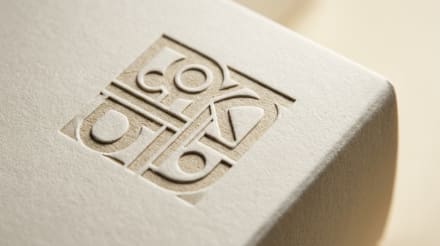
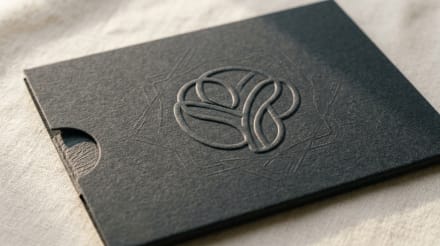
A debossed logo is the finish we'd point most brands toward, with a foil detail on the spine if you want something to catch the eye. Deboss is pressed into the board, so it doesn't wear off the way a printed mark does after months in a bag.
Soft-touch is the most requested surface on a daily-carry item because people notice it every time they pick the book up. Ribbon marker and elastic colours can be matched to the cover or set as a contrast.
A5 at 5.83 x 8.27 inches is the standard, with B5 at 6.93 x 9.84 inches for a larger desk book and a pocket format at 3.5 x 5.5 inches. Sizes are quoted on the trimmed page, so the cover overhangs slightly on a hardcover.
Page count is flexible, but sewn signatures come in multiples of 16, so a 192-page block is a typical build. Tell us how the journal will be used and we'll settle the size and count together.
Journals start at 500 copies. Sewing, casing-in and the cover finishing are all set up per job, and spreading that across fewer books pushes the unit cost up quickly.
Pricing tiers again beyond 1,000 copies. Within one order you can split ruled, dotted, grid and plain page styles, though each ruling is a separate print form and adds a little to the setup.
Allow 7 to 10 business days for a standard run, or 5 to 7 business days on the rush schedule. A sample journal takes 5 to 7 business days and lets you test your own pens on the paper before committing.
We credit the sample fee against the production order. Cloth covers and foil need a little more scheduling care, so mention them when you request the quote.
Ruled, dotted, grid and plain pages are all available, and dotted has become the default request over the past few years. Rulings are printed in a pale grey so they sit behind handwriting rather than competing with it.
Both the 100gsm and 120gsm sheets are uncoated wood-free papers, which recycle with ordinary office paper. A cloth or board cover can be pulled off and recycled separately.
Other products you might love.



Ready to start your Custom Printed Journals project?
Get a free quote in 24 hours. Our atelier is here to help.