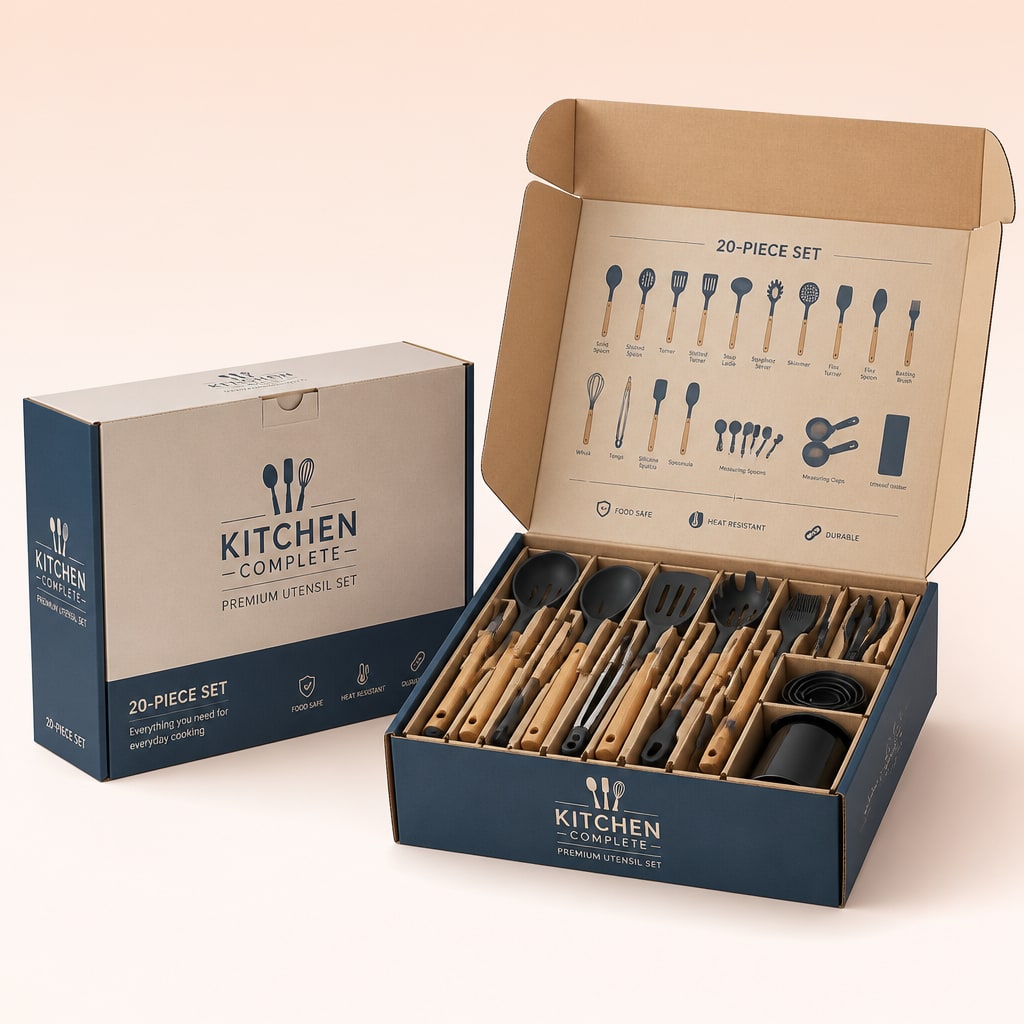
Kitchen Utensil Boxes.
Final price depends on size, material, finish and quantity. Your packaging manager confirms it before production.
Your custom box, quoted.
The full specification book.
Six chapters. Six colours. Click a tab to turn the page.
Kitchen Utensil Boxes
Long handles, awkward heads and a shelf that was designed for boxes half the size.
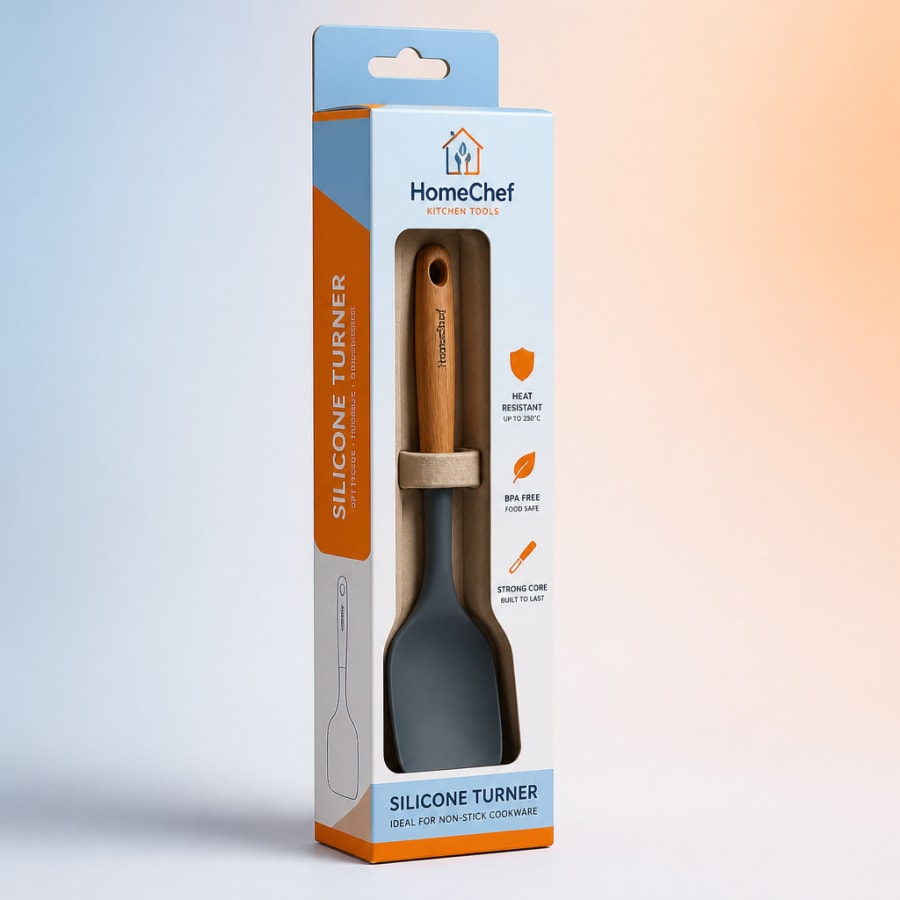
Utensils are long relative to their bulk, which makes the carton narrow and prone to flexing. Hanging presentation is the usual answer.
Every detail. Intentional.
Long and narrow flexes
Thicker board holds it straight.
Heads are the awkward end
Cavity shaped around them.
Hang tab under real load
Metal is heavier than it looks.
The material is visible
Steel, silicone or wood.
Dishwasher claims on panel
A real deciding factor.
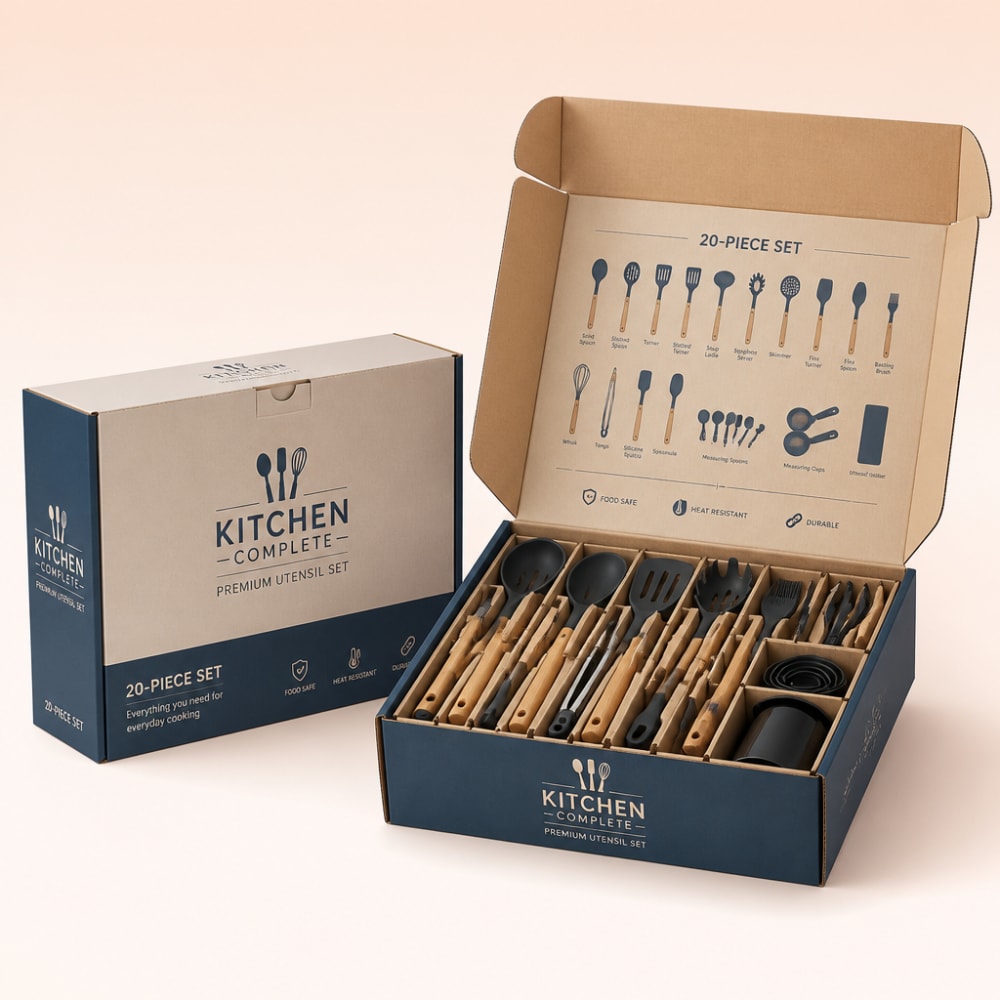
Partitions for multi-piece sets
Multi-piece presentations.
Built like architecture.
Every order of Kitchen Utensil Boxes is an engineered build, measured, dieline-cut and hand-wrapped to spec. Below is the standard build sheet.
✦ Need a custom spec? Talk to our atelier. Every detail is negotiable.
Every surface, hand-selected.
What this product is built from, and the surfaces it takes. Below the build sheet sits the full swatch library. Every option applies across our range, and a physical swatch set is available on request.
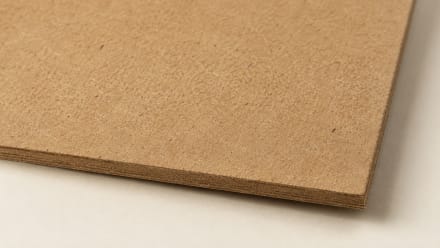
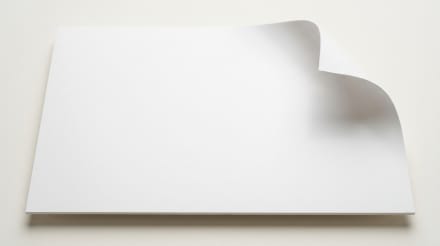
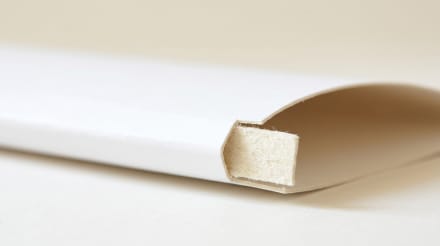
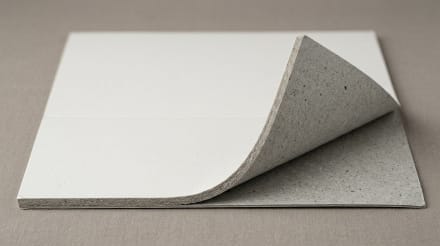
Material
The board and paper your box is built from.
 ◷ ECO
◷ ECO ◷ FINISH
 ◷ FINISH
 ◷ FINISH
 ◷ FINISH
 ◷ FINISH
 ◷ FINISH
 ◷ FINISH
 ◷ FINISH
 ◷ FINISH
 ◷ FINISH
 ◷ FINISH
 ◷ FINISH
 ◷ FINISH
 ◷ FINISH
 ◷ FINISH
 ◷ FINISH
 ◷ FINISH
 ◷ FINISH
 ◷ FINISH
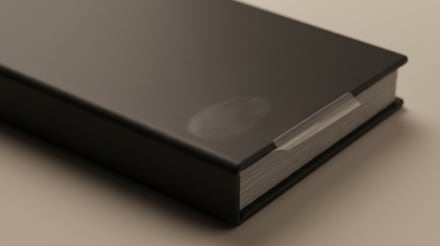
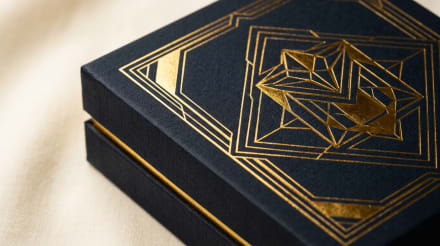
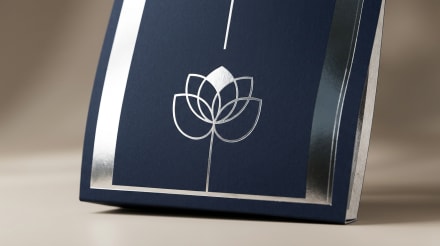
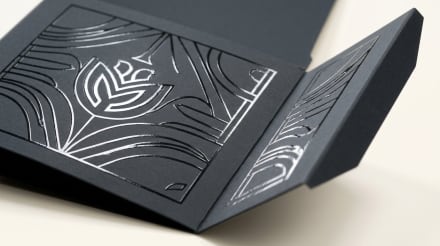
Finishes
How the outer surface looks, feels, and catches light.
 ◷ FINISH
 ◷ FINISH
 ◷ FINISH
 ◷ FINISH
 ◷ FINISH
 ◷ FINISH
 ◷ FINISH
 ◷ FINISH
 ◷ FINISH
 ◷ FINISH
 ◷ FINISH
 ◷ FINISH
 ◷ FINISH
 ◷ FINISH
 ◷ FINISH
 ◷ FINISH
 ◷ FINISH
 ◷ FINISH
 ◷ FINISH
 ◷ FINISH
 ◷ FINISH
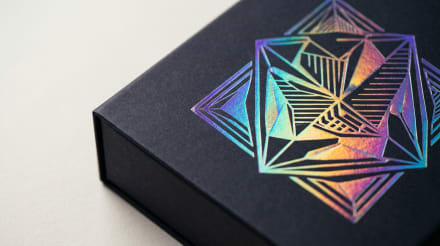 ◷ FINISH
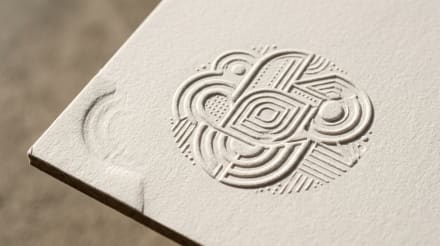 ◷ FINISH
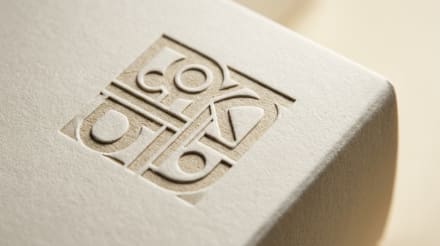 ◷ FINISH
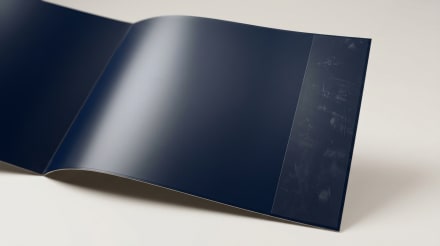 ◷ FINISH
 ◷ FINISH
 ◷ FINISH
 ◷ FINISH
 ◷ FINISH
 ◷ FINISH
 ◷ FINISH
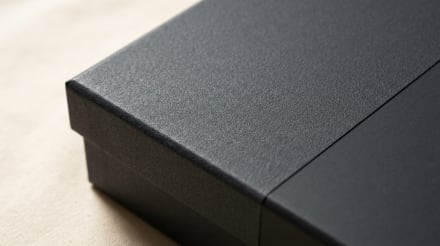 ◷ FINISH
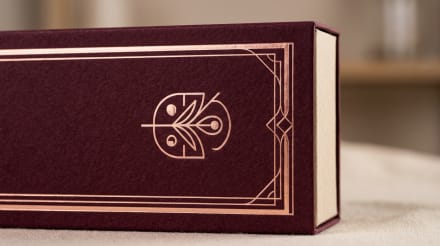 ◷ FINISH
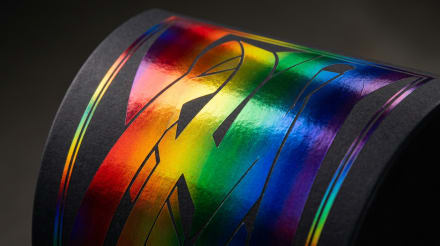 ◷ FINISH
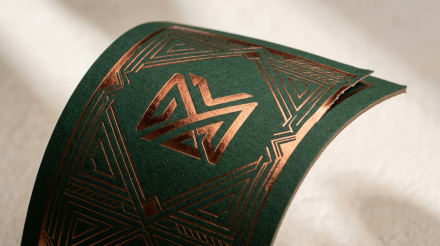 ◷ FINISH
 ◷ FINISH
 ◷ FINISH
 ◷ FINISH
 ◷ FINISH
 ◷ FINISH
 ◷ FINISH
 ◷ FINISH
Add-ons
Closures, linings, and hardware that complete the build.
 ◷ FINISH
 ◷ FINISH
 ◷ FINISH
 ◷ FINISH
 ◷ FINISH
 ◷ FINISH
 ◷ FINISH
 ◷ FINISH
 ◷ FINISH
 ◷ FINISH
 ◷ FINISH
 ◷ FINISH
 ◷ FINISH
 ◷ FINISH
 ◷ FINISH
 ◷ FINISH
 ◷ FINISH
 ◷ FINISH
 ◷ FINISH
 ◷ FINISH
 ◷ FINISH
✦ Mix and match across all three and we'll build your exact combination.
The full kit of capabilities.
Sizing & dieline.
We cut Kitchen Utensil Boxes to a dieline built around your product instead of pulling a stock size off the shelf. Send us the length, width and height of the item (or the item itself) and we return a measured dieline, free, before you commit to anything.
Length, width and height of the item itself, at its widest points. Measure the product, not the box you happen to use today.
Allow 2–4 mm on each axis for a snug fit, and more if you are adding foam, a pillow insert or tissue.
We quote as Length × Width × Height. Tell us whether you are working in millimetres or inches and we match it.
✦ Not sure of your size? Send us the product and we measure it and build the dieline.
Pricing & minimums.
We price Kitchen Utensil Boxes per specification rather than from a fixed list, because the same build in two different finishes can land at very different numbers. Below is what actually moves the price, so you can shape the spec before you request a quote.
The single biggest lever. Unit cost falls sharply as volume rises, because setup and tooling spread across more pieces.
Board weight and stock choice change both the raw material cost and the shipping weight of the finished run.
Foil, spot UV, embossing and soft-touch each add a pass on press. One or two lift the box; five compound the cost.
Full-bleed print inside and out costs more than a one-sided design on natural stock.
Foam, moulded pulp, velvet pillows, magnets and ribbon are priced per piece on top of the box itself.
Standard production is the base rate. Rush moves you up the production queue and carries a surcharge.
✦ Quotes returned within 24 hours.
Questions, answered.
Everything you need to know about Kitchen Utensil Boxes.
We cover the working end with a protective sleeve or blade guard so the point or edge can't reach the carton wall. Without one, a knife tip or skewer point works through the board in transit or on the shelf, and that's a hazard for whoever picks the pack up.
We size the guard to the blade and specify it with the box, so it's part of the pack from the start and not an add-on at packing.
A shaped card mount or fitted seat holds the utensil in one position, so the awkward head and the long handle both stay put. A long, thin, uneven shape leaves a lot of empty space in a rectangular carton, and a utensil sliding around in there feels cheap the moment a shopper picks it up.
Multi-piece sets get partitions, so each piece has its own slot and the set layout reads clearly through the window or on the printed panel.
Yes, a touch opening at the handle end lets a shopper grip it and judge the weight without opening the box. Handle feel often decides the sale, and an aperture shows it better than a window can.
Where the retailer won't allow an opening, we fit clear window film over the handle or head. The rest of the utensil stays enclosed and mounted, so the pack still holds its shape on the peg.
We'd print the steel grade, the silicone heat rating and dishwasher suitability on the front in full CMYK, because shoppers compare those figures side by side on the shelf. The material itself is usually shown through the window or the touch opening.
Matte lamination suits chef and designer ranges. Wooden and natural lines tend to look right on kraft board, and multi-piece sets get a printed layout showing each item in the pack.
We measure the inside length, width and depth, with length running along the handle. Typical single-utensil boxes come out around 12 by 4 by 2 inches, and larger tools or small sets near 14 by 5 by 2.5 inches.
Because the carton is long and narrow, we may step up the board thickness on longer sizes so it doesn't bow in the middle. Send the overall length and the widest point of the head, and we'll size the mount to match.
A utensil box order starts at 500 pieces. Unit pricing drops onto a lower tier above 1,000, and we can go as high as 100,000 on a single run.
If your range covers singles and sets, each format usually needs its own dieline and mount, so ask us to quote them as separate lines and you'll see the cost of each clearly.
Plan on 7 to 10 business days for production after proof approval, with a 5 to 7 day rush available when a launch date is tight. A sample made to your size takes 5 to 7 business days.
We'd sample first on any hang-tab format, since the tab needs checking with the real utensil hanging from it. The sample cost is credited when the bulk order goes in.
A standard hang hole can tear under a heavy steel utensil, so we reinforce the tab on metal ranges. A whisk or a set of tongs pulls down on one small area of board all day on the peg, and an unreinforced hole slowly stretches until the pack drops.
For heavier sets we'd move to E-flute corrugated or a shelf-standing box. Header cards suit light single pieces, where a full carton would be more board than the product needs.
Other products you might love.

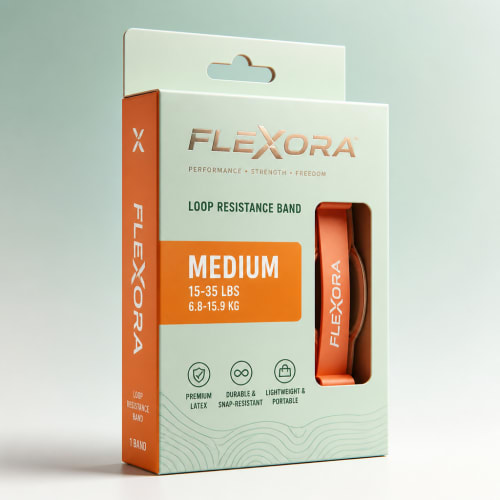
Ready to start your Kitchen Utensil Boxes project?
Get a free quote in 24 hours. Our atelier is here to help.