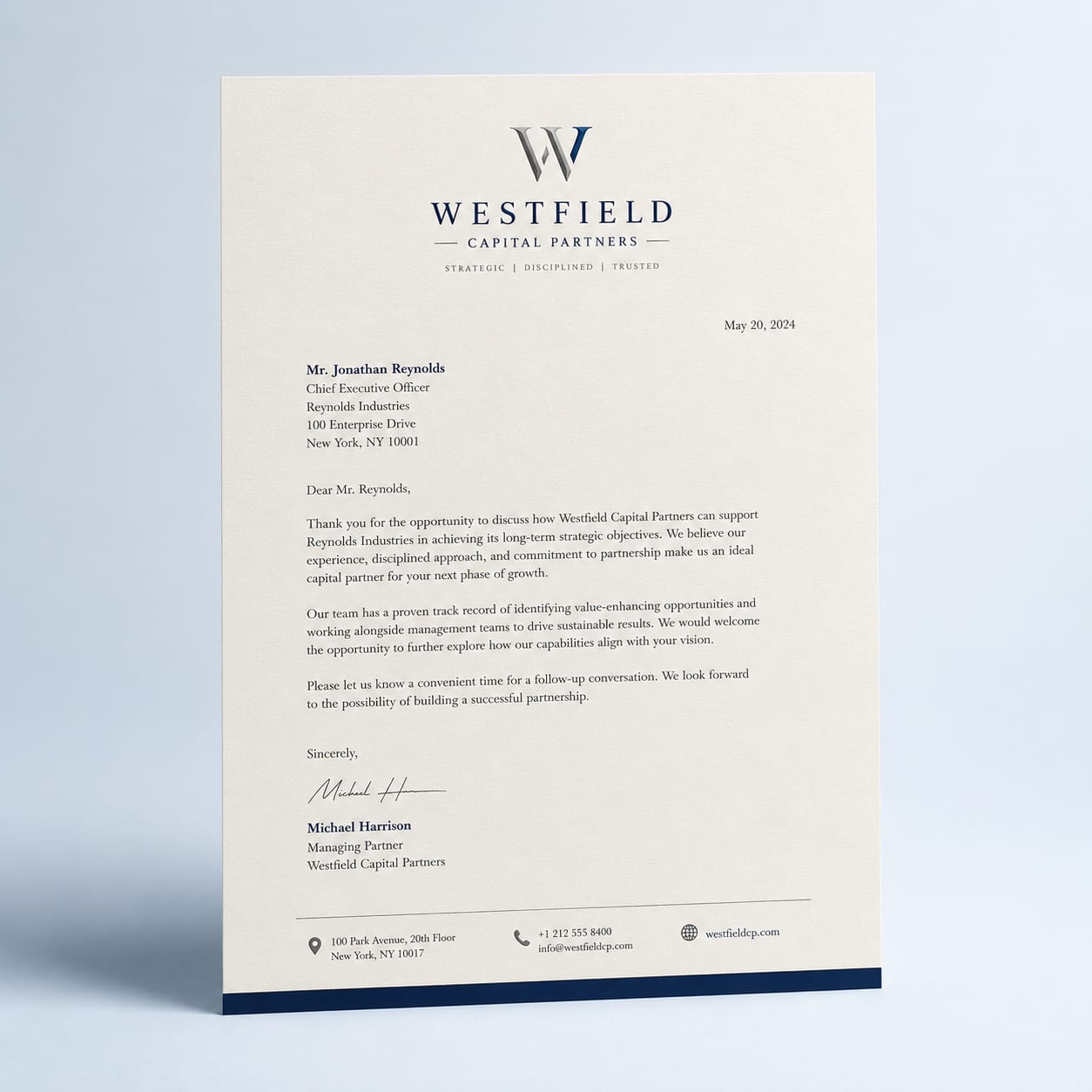
Custom Letterhead Printing.
Final price depends on size, material, finish and quantity. Your packaging manager confirms it before production.
Your custom box, quoted.
The full specification book.
Six chapters. Six colours. Click a tab to turn the page.
Letterhead Printing
Stationery that has to run through a laser printer and still feel like something.
Letterhead sits between print quality and machine compatibility. Stock has to take toner cleanly, which rules out many of the finishes brands want.
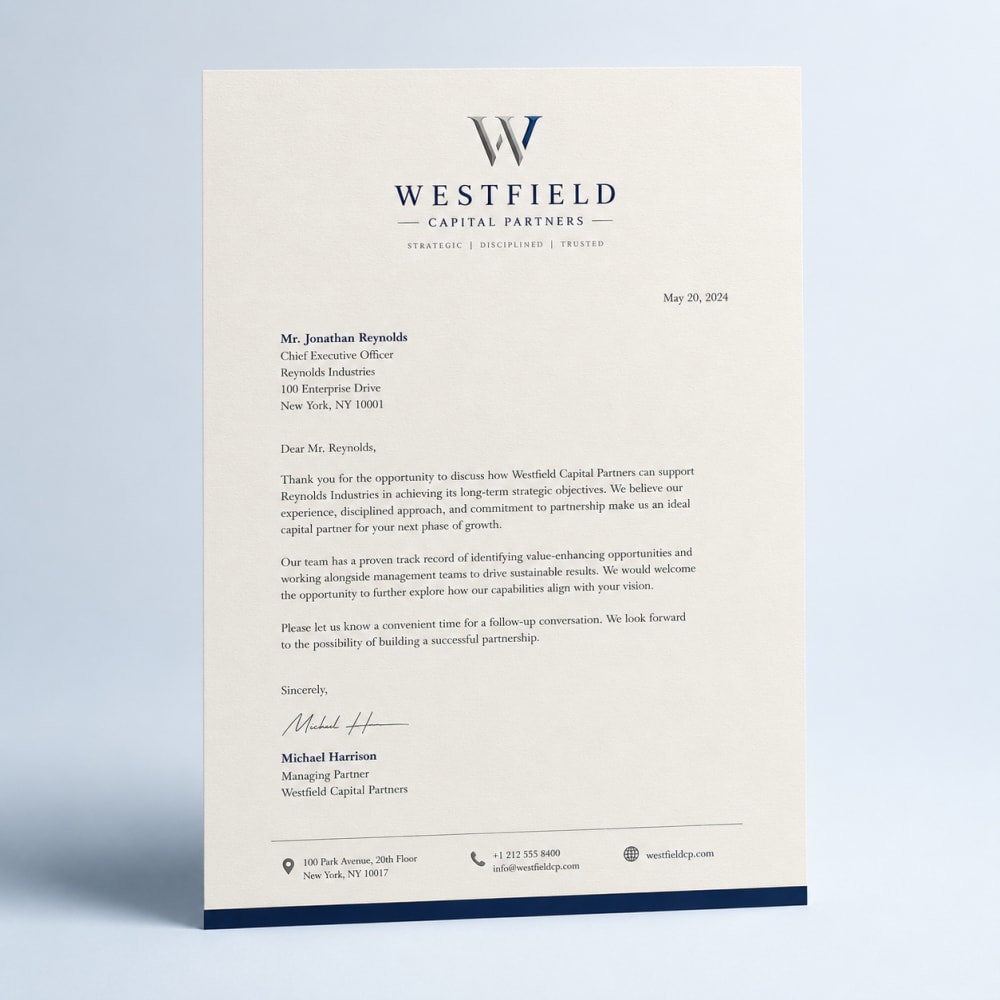
Every detail. Intentional.
It must run through a printer
Which rules out many finishes.
Toner needs an uncoated surface
Coated stock rejects it.
Weight signals the organisation
100gsm to 120gsm typically.
Watermarks read as heritage
Still used deliberately.
Print margins are fixed
Printers cannot reach the edge.
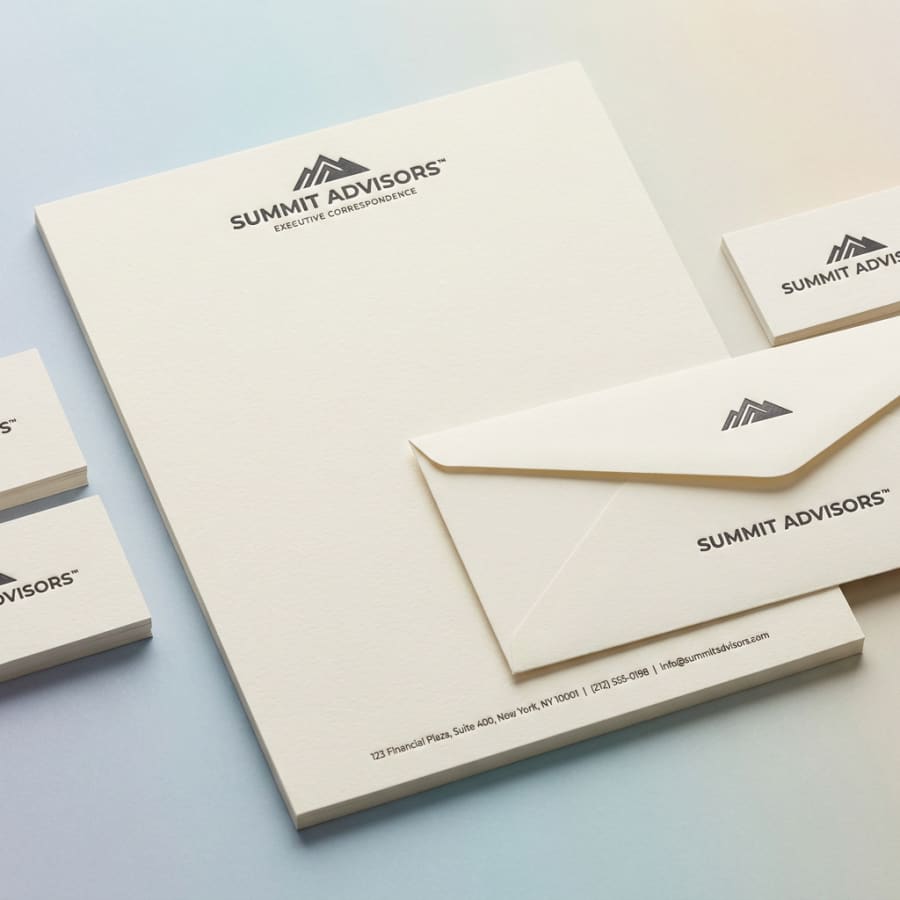
Matched envelope and card
A stationery system, not a sheet.
Built like architecture.
Every order of Custom Letterhead Printing is an engineered build, measured, dieline-cut and hand-wrapped to spec. Below is the standard build sheet.
✦ Need a custom spec? Talk to our atelier. Every detail is negotiable.
Every surface, hand-selected.
What this product is built from, and the surfaces it takes. Below the build sheet sits the full swatch library. Every option applies across our range, and a physical swatch set is available on request.
Material
The board and paper your box is built from.
 ◷ FINISH
 ◷ FINISH
 ◷ FINISH
 ◷ FINISH
 ◷ FINISH
 ◷ FINISH
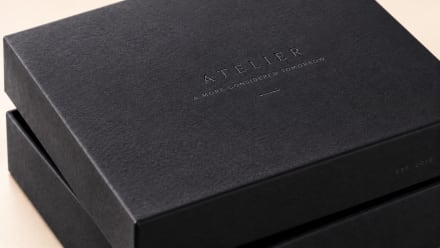
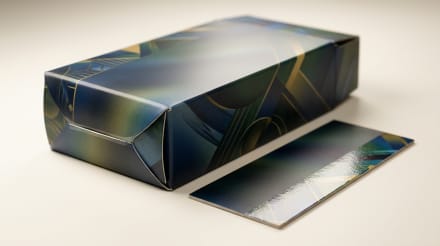
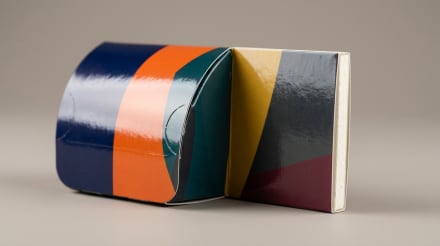
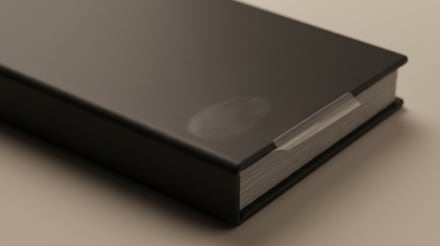
Finishes
How the outer surface looks, feels, and catches light.
 ◷ FINISH
 ◷ FINISH
 ◷ FINISH
 ◷ FINISH
 ◷ FINISH
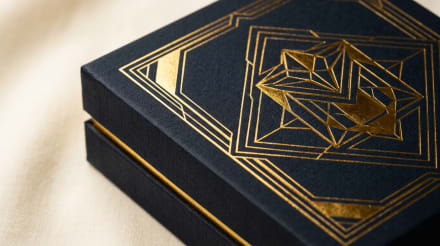 ◷ FINISH
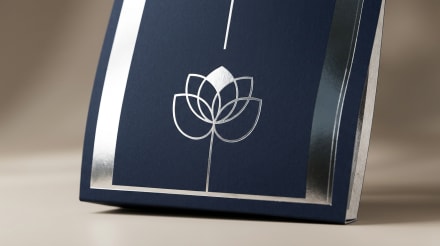 ◷ FINISH
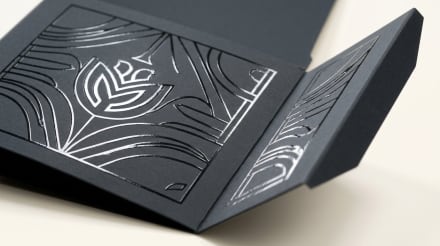 ◷ FINISH
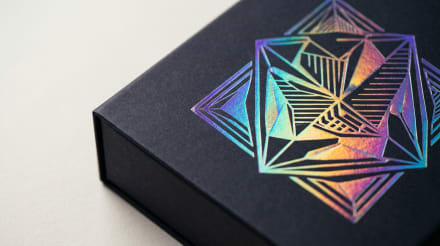 ◷ FINISH
 ◷ FINISH
 ◷ FINISH
 ◷ FINISH
 ◷ FINISH
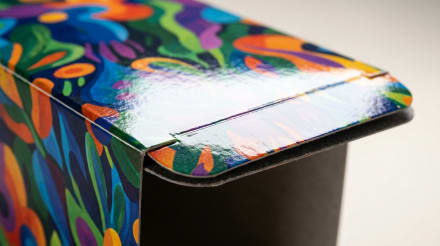 ◷ FINISH
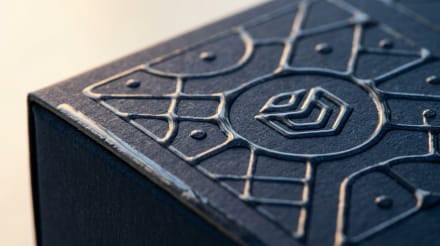 ◷ FINISH
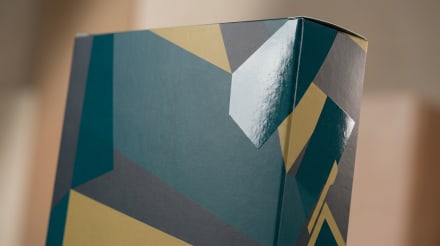 ◷ FINISH
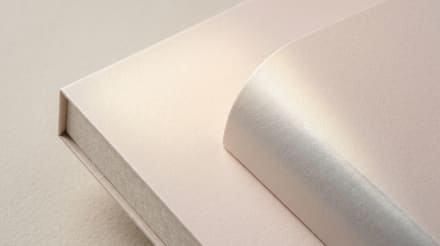 ◷ FINISH
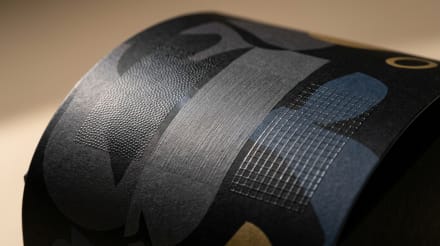 ◷ FINISH
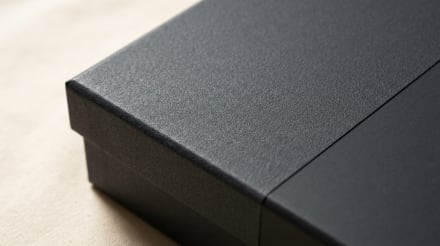 ◷ FINISH
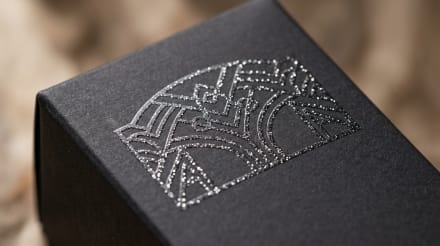 ◷ FINISH
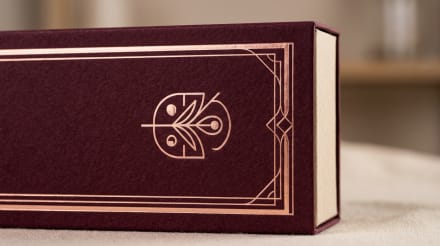 ◷ FINISH
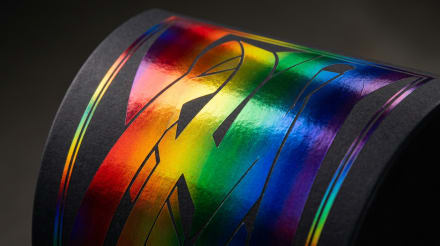 ◷ FINISH
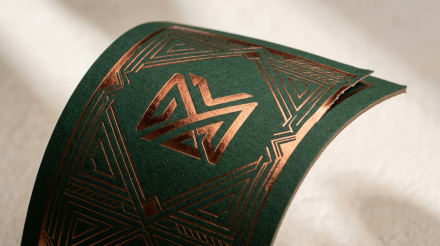 ◷ FINISH
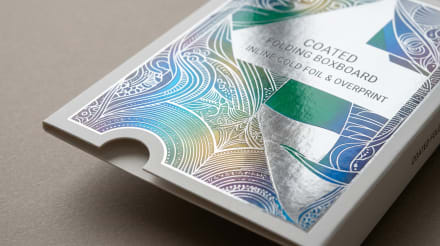 ◷ FINISH
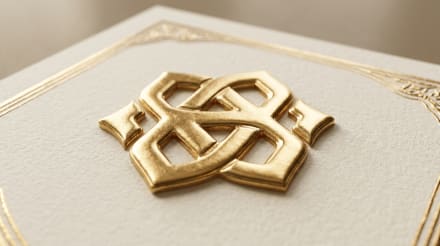 ◷ FINISH
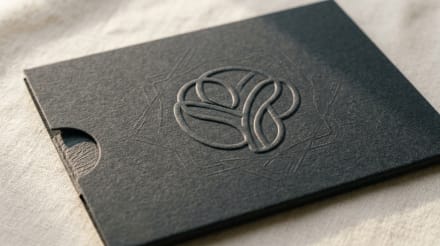 ◷ FINISH
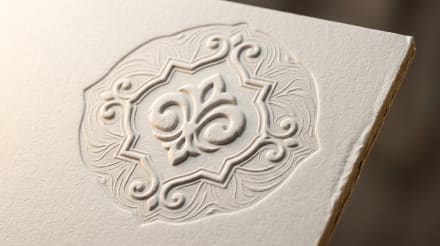 ◷ FINISH
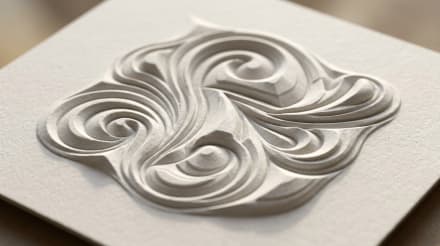 ◷ FINISH
 ◷ FINISH
 ◷ FINISH
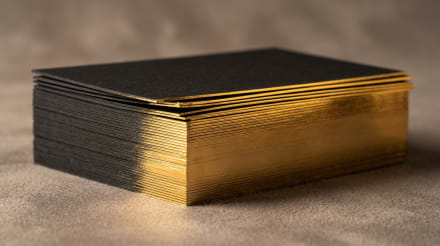 ◷ FINISH
 ◷ FINISH
 ◷ FINISH
Add-ons
Closures, linings, and hardware that complete the build.
 ◷ FINISH
 ◷ FINISH
✦ Mix and match across all three and we'll build your exact combination.
The full kit of capabilities.
Sizing & dieline.
We cut Custom Letterhead Printing to a dieline built around your product instead of pulling a stock size off the shelf. Send us the length, width and height of the item (or the item itself) and we return a measured dieline, free, before you commit to anything.
Length, width and height of the item itself, at its widest points. Measure the product, not the box you happen to use today.
Allow 2–4 mm on each axis for a snug fit, and more if you are adding foam, a pillow insert or tissue.
We quote as Length × Width × Height. Tell us whether you are working in millimetres or inches and we match it.
✦ Not sure of your size? Send us the product and we measure it and build the dieline.
Pricing & minimums.
We price Custom Letterhead Printing per specification rather than from a fixed list, because the same build in two different finishes can land at very different numbers. Below is what actually moves the price, so you can shape the spec before you request a quote.
The single biggest lever. Unit cost falls sharply as volume rises, because setup and tooling spread across more pieces.
Board weight and stock choice change both the raw material cost and the shipping weight of the finished run.
Foil, spot UV, embossing and soft-touch each add a pass on press. One or two lift the box; five compound the cost.
Full-bleed print inside and out costs more than a one-sided design on natural stock.
Foam, moulded pulp, velvet pillows, magnets and ribbon are priced per piece on top of the box itself.
Standard production is the base rate. Rush moves you up the production queue and carries a surcharge.
✦ Quotes returned within 24 hours.
Questions, answered.
Everything you need to know about Custom Letterhead Printing.
Because the sheet gets a second print pass in your office laser printer, and toner will not fuse properly to a coated surface. The fuser heats the paper to bond the toner, and a coating can blister or let the toner flake off in the tray.
Uncoated stock takes toner cleanly and also accepts pen ink for a signature. That is why nearly every letterhead we make is uncoated, regardless of how the brand's other print is finished.
Not across the print area, no. Foil and laminate both cause fuser problems in office printers, so we keep them off letterhead entirely rather than risk a jam or a blistered sheet.
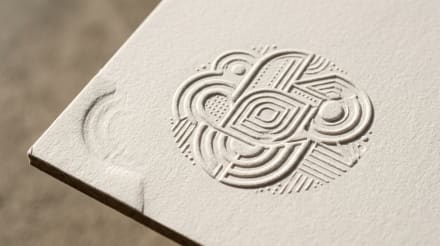
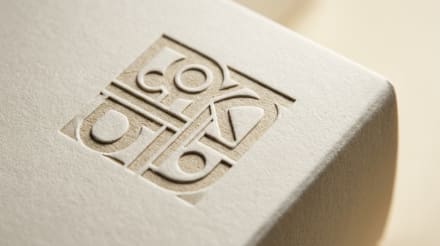
If you want something tactile, a blind emboss positioned away from the body of the letter works, and a watermark produced in the paper itself reads as quality without any surface build-up at all.
100gsm to 120gsm, with 120gsm as the choice most organisations settle on. It feels substantial in the hand and still runs comfortably through most office printers without curling or misfeeding.
100gsm suits high-volume correspondence and is lighter to post. Going heavier than 120gsm starts to push the limits of ordinary printer trays, so we'd talk you through it first.
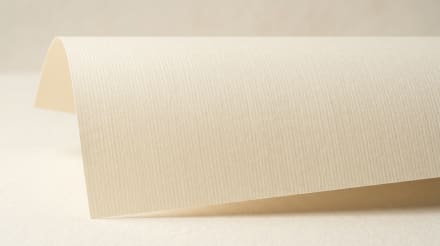
Laid paper has a faint ribbed texture pressed into the sheet during manufacture, and yes, it runs through laser printers without trouble. The ribbing is a paper texture rather than a coating, so the fuser treats it like any uncoated stock.
It reads traditional and people notice it on handling. Watermarked stock works the same way, with a mark visible against the light and no surface treatment to interfere with toner.
Specify the brand colour as a spot Pantone ink rather than a CMYK build. A spot ink is mixed to a reference, so the third reprint matches the first, whereas a four-colour build can drift between runs.
Letterhead usually carries just one or two brand colours, so spot printing is often the cheaper route as well as the more consistent one. The same inks are used on the matching envelope and compliment slip.
A4 at 8.27 x 11.69 inches or US Letter at 8.5 x 11 inches, and the printed elements stay in a header and a shallow footer. The body of the sheet is left clear because your office printer will fill it, and it can't reach the edges either.
Edge-to-edge design doesn't suit letterhead for that reason. We plan the print area so nothing from your layout collides with the margins a typical printer imposes.
500 sheets. That covers most small offices for a year, and the price per sheet drops at the 1,000 tier.
Matched items ordered at the same time, such as envelopes, compliment slips and continuation sheets, run on the same stock and colour references, which keeps the set consistent. Ordering them together also avoids paying setup twice.
Standard letterhead ships in 7 to 10 business days after proof approval, or 5 to 7 business days on rush. A printed sample takes 5 to 7 business days, and we suggest running one through your own printer before the full order.
The sample fee is deducted from the production job. Recycled uncoated stock is available on the same timing and is fully laser-compatible.
Other products you might love.


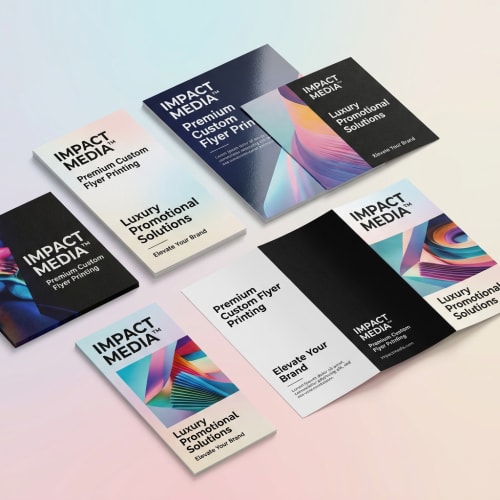
Ready to start your Custom Letterhead Printing project?
Get a free quote in 24 hours. Our atelier is here to help.