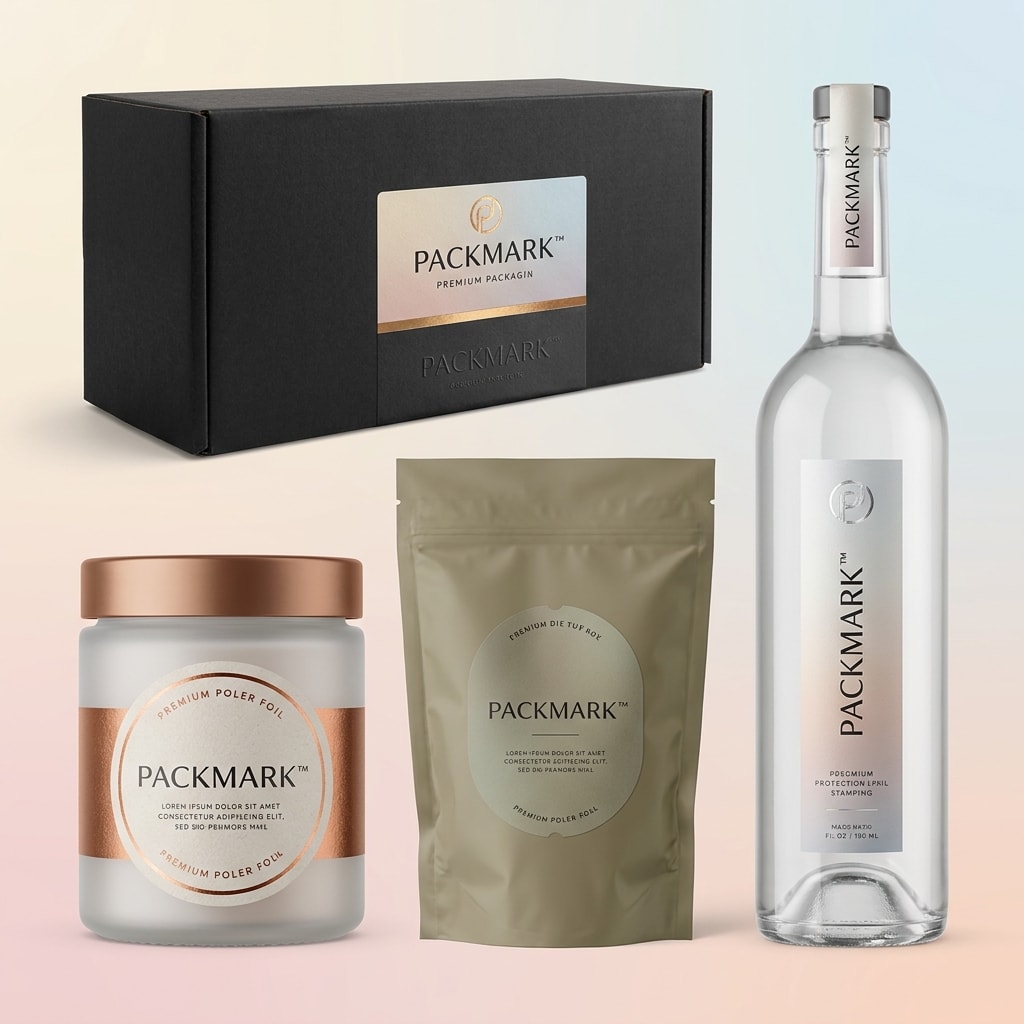
Packaging Labels.
Final price depends on size, material, finish and quantity. Your packaging manager confirms it before production.
Your custom box, quoted.
The full specification book.
Six chapters. Six colours. Click a tab to turn the page.
Packaging Labels
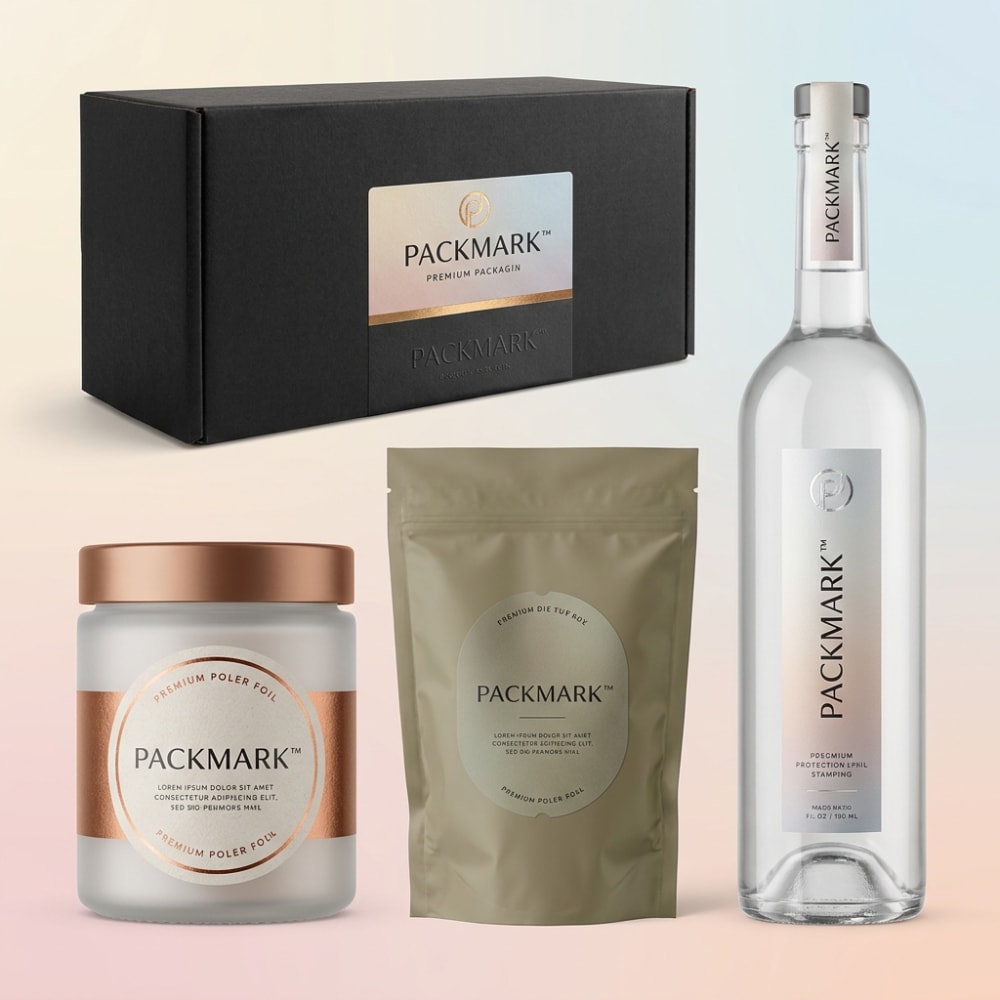
One plain container and many labels, so versioning happens at label economics rather than container economics.
A brand with twelve variants holds one stock item and applies twelve labels. That flexibility is why beauty, food and supplements run on labels rather than printed containers.
Every detail. Intentional.
One container, many labels
Versioning without twelve SKUs.
Primary carries the regulation
Whatever the category requires.
Secondary adds variable data
Batch, date and destination.
Case labels serve logistics
GS1 and pallet identification.
Surface energy is the trap
HDPE, PP and kraft reject standard tack.
Test filled, for a week
Failures are often delayed, not immediate.
Built like architecture.
Every order of Packaging Labels is an engineered build, measured, dieline-cut and hand-wrapped to spec. Below is the standard build sheet.
✦ Need a custom spec? Talk to our atelier. Every detail is negotiable.
Every surface, hand-selected.
What this product is built from, and the surfaces it takes. Below the build sheet sits the full swatch library. Every option applies across our range, and a physical swatch set is available on request.
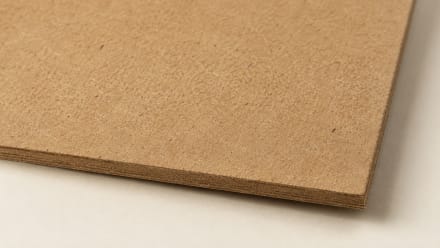
Material
The board and paper your box is built from.
 ◷ FINISH
 ◷ FINISH
 ◷ FINISH
 ◷ FINISH
 ◷ FINISH
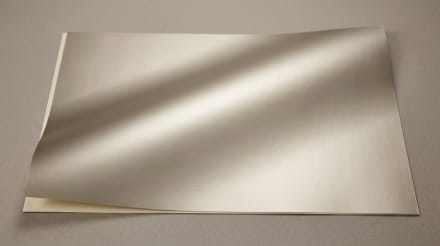
Finishes
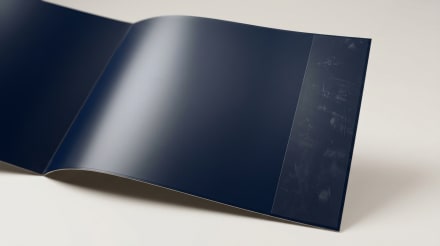
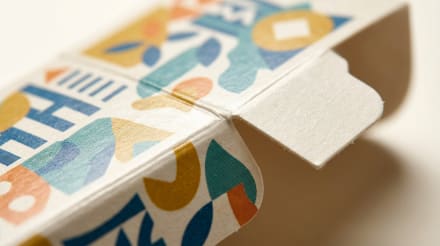
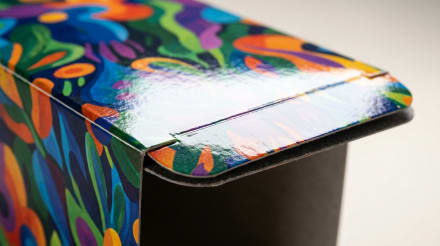
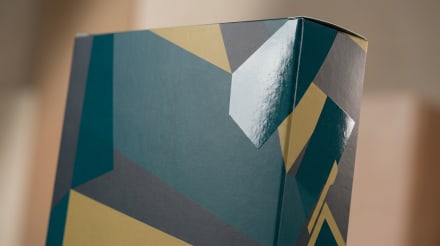
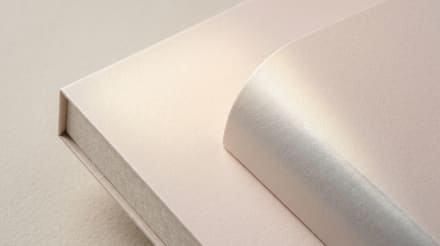
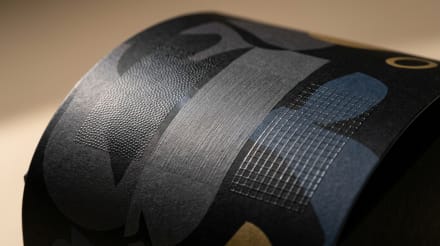
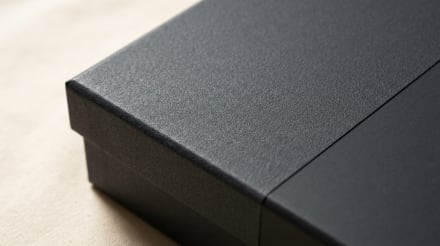
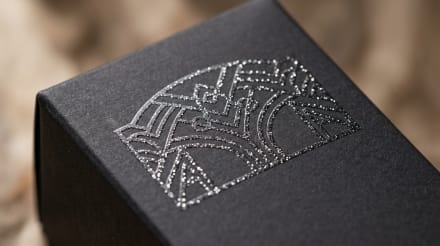
How the outer surface looks, feels, and catches light.
 ◷ FINISH
 ◷ FINISH
 ◷ FINISH
 ◷ FINISH
 ◷ FINISH
 ◷ FINISH
 ◷ FINISH
 ◷ FINISH
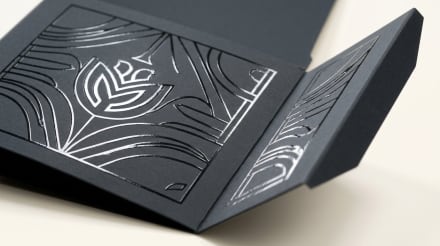 ◷ FINISH
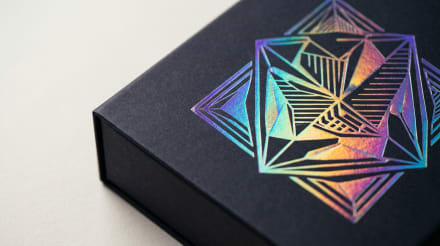 ◷ FINISH
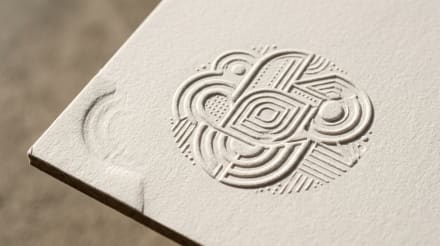 ◷ FINISH
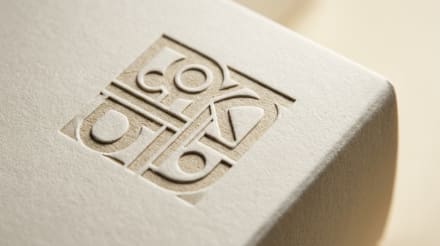 ◷ FINISH
 ◷ FINISH
 ◷ FINISH
 ◷ FINISH
 ◷ FINISH
 ◷ FINISH
 ◷ FINISH
 ◷ FINISH
 ◷ FINISH
 ◷ FINISH
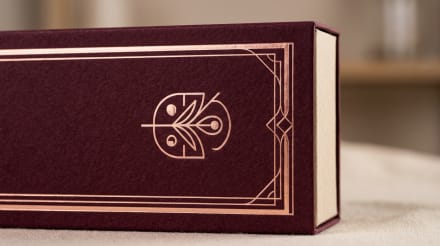 ◷ FINISH
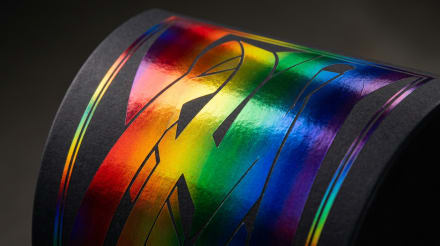 ◷ FINISH
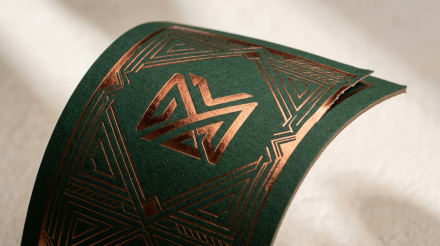 ◷ FINISH
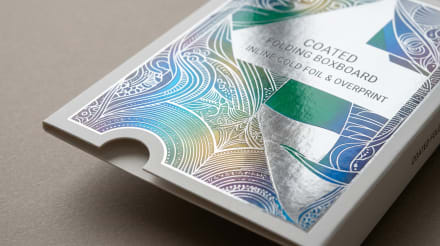 ◷ FINISH
 ◷ FINISH
 ◷ FINISH
 ◷ FINISH
 ◷ FINISH
 ◷ FINISH
 ◷ FINISH
Add-ons
Closures, linings, and hardware that complete the build.
 ◷ FINISH
✦ Mix and match across all three and we'll build your exact combination.
The full kit of capabilities.
Sizing & dieline.
We cut Packaging Labels to a dieline built around your product instead of pulling a stock size off the shelf. Send us the length, width and height of the item (or the item itself) and we return a measured dieline, free, before you commit to anything.
Length, width and height of the item itself, at its widest points. Measure the product, not the box you happen to use today.
Allow 2–4 mm on each axis for a snug fit, and more if you are adding foam, a pillow insert or tissue.
We quote as Length × Width × Height. Tell us whether you are working in millimetres or inches and we match it.
✦ Not sure of your size? Send us the product and we measure it and build the dieline.
Pricing & minimums.
We price Packaging Labels per specification rather than from a fixed list, because the same build in two different finishes can land at very different numbers. Below is what actually moves the price, so you can shape the spec before you request a quote.
The single biggest lever. Unit cost falls sharply as volume rises, because setup and tooling spread across more pieces.
Board weight and stock choice change both the raw material cost and the shipping weight of the finished run.
Foil, spot UV, embossing and soft-touch each add a pass on press. One or two lift the box; five compound the cost.
Full-bleed print inside and out costs more than a one-sided design on natural stock.
Foam, moulded pulp, velvet pillows, magnets and ribbon are priced per piece on top of the box itself.
Standard production is the base rate. Rush moves you up the production queue and carries a surcharge.
✦ Quotes returned within 24 hours.
Questions, answered.
Everything you need to know about Packaging Labels.
Labels let one plain container carry a whole range, so twelve variants need one stock bottle and twelve labels. Versioning happens at label economics rather than container economics. Beauty, food and supplement brands with wide ranges and uncertain demand run on labels for that reason.
A new flavour or shade then needs a new label design, with no new container tooling or container minimum behind it.
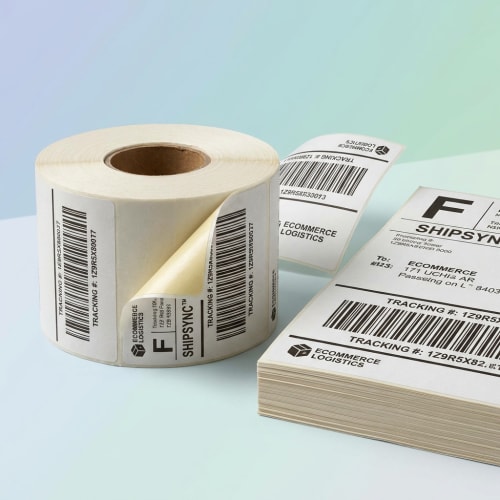
Primary labels go on the container and carry the regulatory copy, secondary labels go on the carton, and case labels serve logistics. The secondary tier usually adds variable data such as batch, date and destination. Case labels carry GS1 barcodes and pallet identification for the warehouse.
Ordering the tiers together makes it easier to keep artwork and data consistent from the bottle out to the pallet.
Apply it to the real container, fill it, and leave it for a week before you commit. HDPE, PP and kraft all have surfaces that release standard adhesive, and the failure often shows days later. A label that looks fine on an empty sample can lift at the edges once the pack is filled and handled.
High-tack adhesive is the fix on low-energy plastics and textured kraft. We'll recommend the grade once we know the substrate.
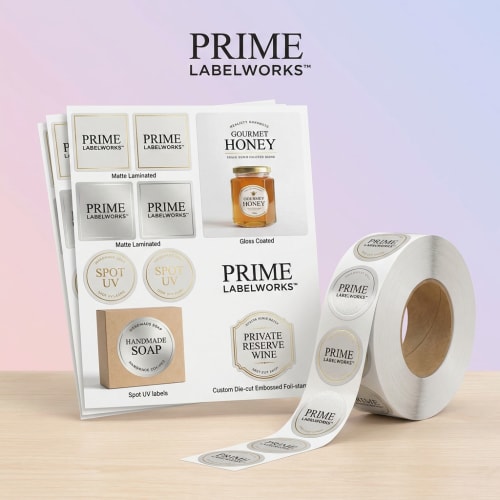
Matte or gloss laminate protects the print from handling and from the contents, and foil or spot UV adds a premium accent on top. Holographic and clear no-label-look finishes are available too. For a range, a colour system across the variants helps shoppers find their shade or flavour on the shelf.
Variable panels for batch, date and version can be printed digitally in the same run.
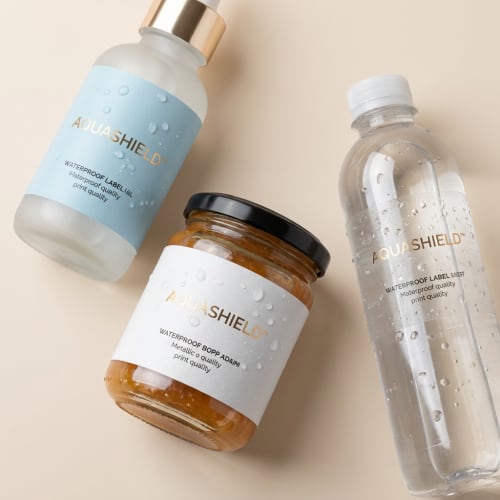
Coated paper is the general-purpose facestock for dry goods, while BOPP film suits anything involving moisture, oil or squeezing. Film survives a damp bathroom shelf or a squeezed tube that would crease and tear paper. Clear film gives the no-label look on glass and PET.
Removable adhesive is there for promotional overlays and temporary stickers that need to come off later.
Measure the flat label panel on the container, not the full height or circumference. On a bottle that means the straight section between shoulder and base. On a round jar, leave a gap where the ends of a wrap label would meet so they don't overlap and lift.
Any die size can be cut for primary, secondary or case formats. Send a sample container if you can, and we'll check the panel ourselves.
Each label design needs an order of at least 500. The top end is 100,000 per design. In a range, each flavour or shade is its own design, so twelve variants means twelve runs of 500 or more.
Holding labels still ties up far less space and cash than holding pre-printed containers, which is the whole case for the format.
A new version is printed in 7 to 10 business days after proof approval, or 5 to 7 on a rush. Samples take 5 to 7 business days, and on this product we'd use them for the one-week filled-container test before committing. The sample fee comes back as credit on the full order.
Design help and dieline set-up cost nothing.
Other products you might love.

Ready to start your Packaging Labels project?
Get a free quote in 24 hours. Our atelier is here to help.