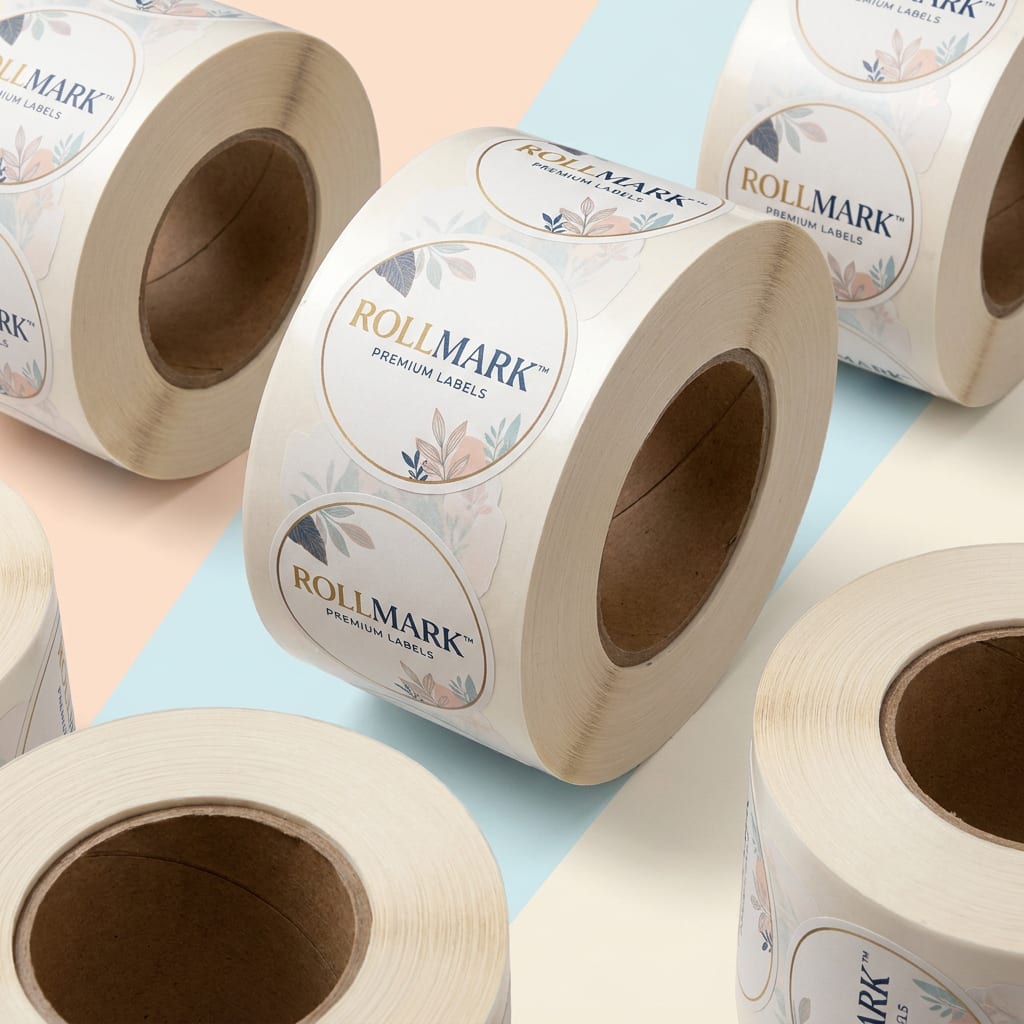
Roll Labels.
Final price depends on size, material, finish and quantity. Your packaging manager confirms it before production.
Your custom box, quoted.
The full specification book.
Six chapters. Six colours. Click a tab to turn the page.
Roll Labels
Specified for the applicator before the designer, so core, unwind and gap come first.
Eight standard unwind positions exist, and a machine built for one will jam on another. Getting core diameter, outer diameter or gap wrong produces a correct-looking roll that cannot be used.
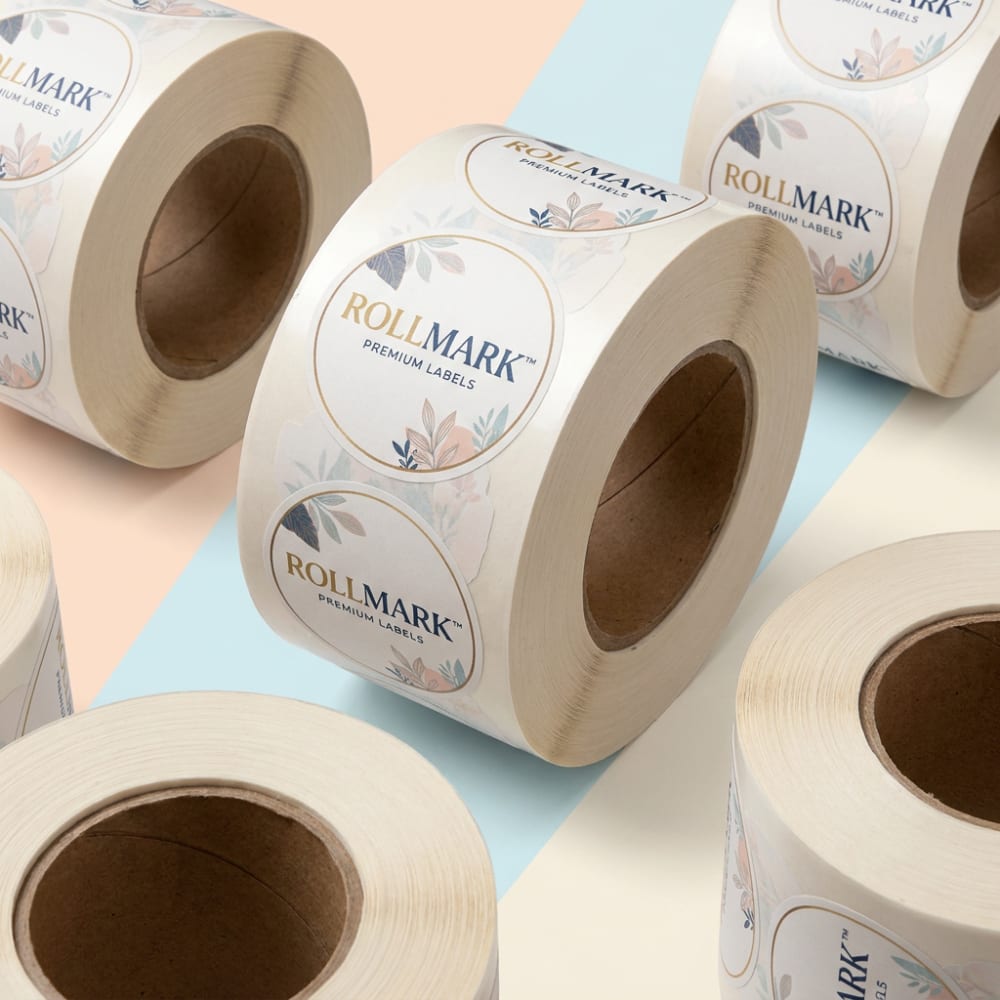
Every detail. Intentional.
Eight unwind positions
The wrong one jams the line.
Core by machine
3 inch industrial, 1 inch desktop.
Gap feeds the sensor
It tells the applicator where a label starts.
Facestock by environment
Paper dry, film for wet and oily.
High-tack for hard surfaces
Kraft and HDPE reject standard adhesive.
Variable data is free digitally
Batch, serial and version at no extra cost.
Built like architecture.
Every order of Roll Labels is an engineered build, measured, dieline-cut and hand-wrapped to spec. Below is the standard build sheet.
✦ Need a custom spec? Talk to our atelier. Every detail is negotiable.
Every surface, hand-selected.
What this product is built from, and the surfaces it takes. Below the build sheet sits the full swatch library. Every option applies across our range, and a physical swatch set is available on request.
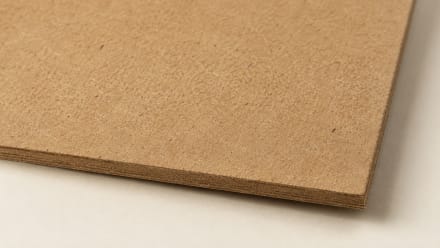
Material
The board and paper your box is built from.
 ◷ FINISH
 ◷ FINISH
 ◷ FINISH
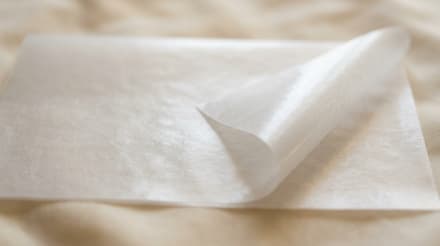 ◷ FINISH
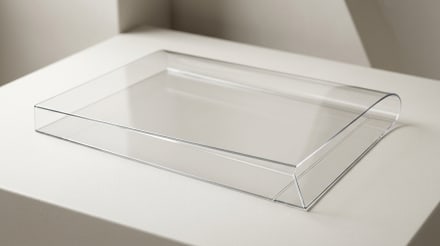 ◷ FINISH
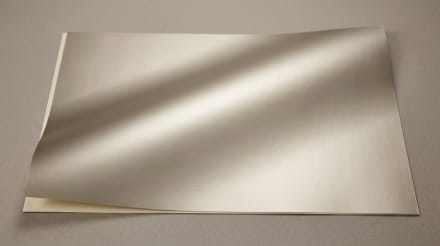
Finishes
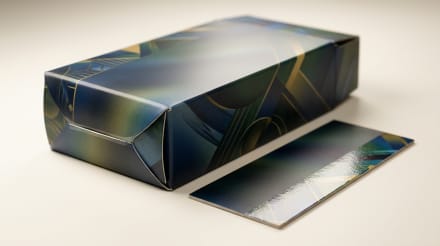
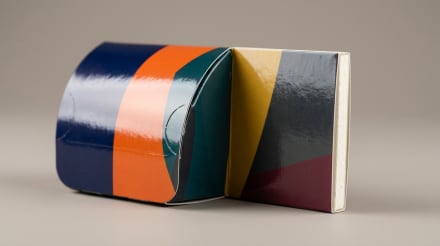
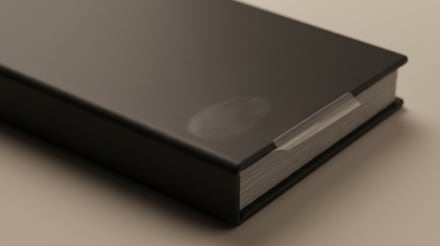
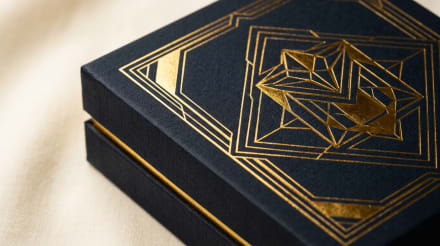
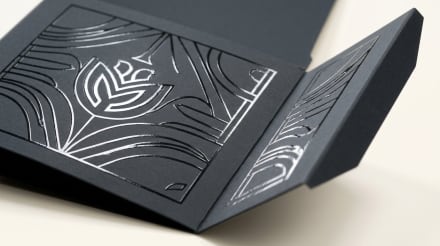
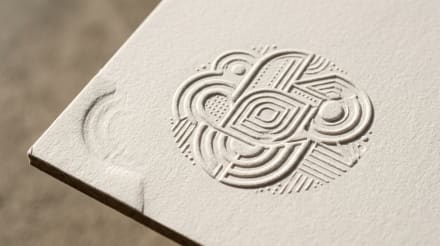
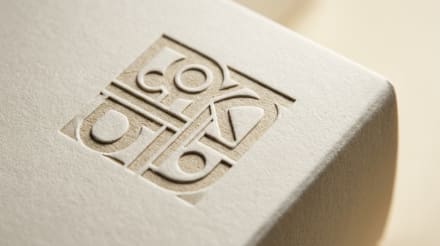
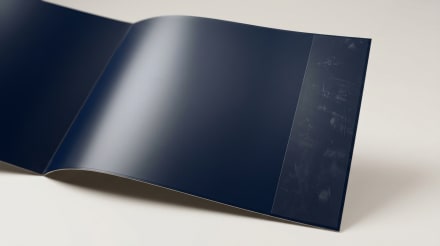
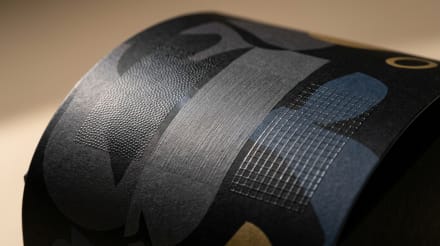
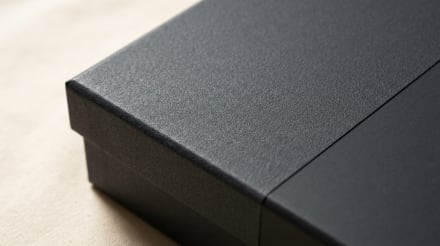
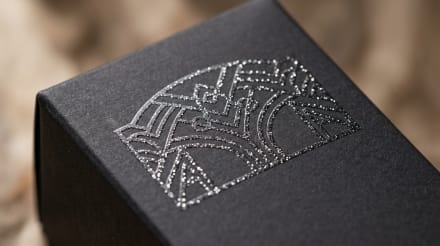
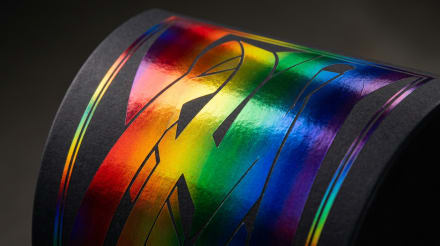
How the outer surface looks, feels, and catches light.
 ◷ FINISH
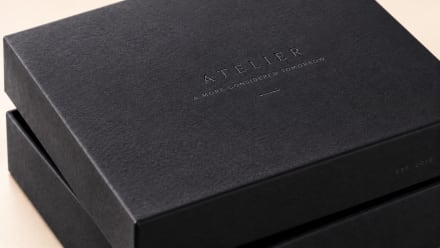 ◷ FINISH
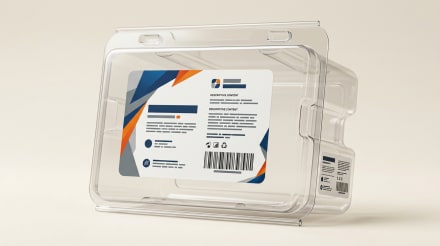 ◷ FINISH
 ◷ FINISH
 ◷ FINISH
 ◷ FINISH
 ◷ FINISH
 ◷ FINISH
 ◷ FINISH
 ◷ FINISH
 ◷ FINISH
 ◷ FINISH
 ◷ FINISH
 ◷ FINISH
 ◷ FINISH
 ◷ FINISH
 ◷ FINISH
 ◷ FINISH
 ◷ FINISH
 ◷ FINISH
 ◷ FINISH
 ◷ FINISH
 ◷ FINISH
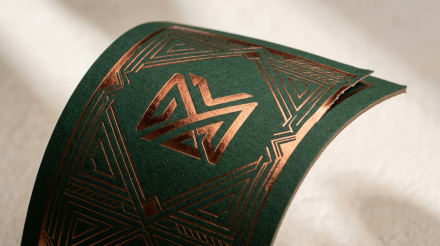 ◷ FINISH
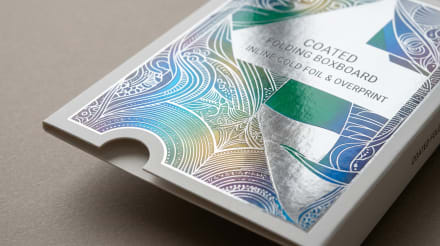 ◷ FINISH
 ◷ FINISH
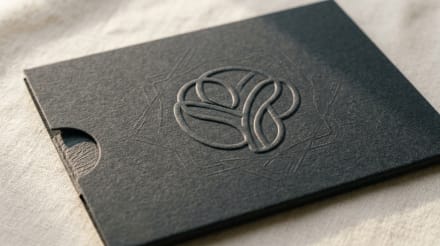 ◷ FINISH
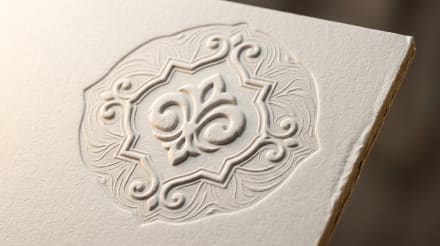 ◷ FINISH
 ◷ FINISH
 ◷ FINISH
 ◷ FINISH
Add-ons
Closures, linings, and hardware that complete the build.
 ◷ FINISH
✦ Mix and match across all three and we'll build your exact combination.
The full kit of capabilities.
Sizing & dieline.
We cut Roll Labels to a dieline built around your product instead of pulling a stock size off the shelf. Send us the length, width and height of the item (or the item itself) and we return a measured dieline, free, before you commit to anything.
Length, width and height of the item itself, at its widest points. Measure the product, not the box you happen to use today.
Allow 2–4 mm on each axis for a snug fit, and more if you are adding foam, a pillow insert or tissue.
We quote as Length × Width × Height. Tell us whether you are working in millimetres or inches and we match it.
✦ Not sure of your size? Send us the product and we measure it and build the dieline.
Pricing & minimums.
We price Roll Labels per specification rather than from a fixed list, because the same build in two different finishes can land at very different numbers. Below is what actually moves the price, so you can shape the spec before you request a quote.
The single biggest lever. Unit cost falls sharply as volume rises, because setup and tooling spread across more pieces.
Board weight and stock choice change both the raw material cost and the shipping weight of the finished run.
Foil, spot UV, embossing and soft-touch each add a pass on press. One or two lift the box; five compound the cost.
Full-bleed print inside and out costs more than a one-sided design on natural stock.
Foam, moulded pulp, velvet pillows, magnets and ribbon are priced per piece on top of the box itself.
Standard production is the base rate. Rush moves you up the production queue and carries a surcharge.
✦ Quotes returned within 24 hours.
Questions, answered.
Everything you need to know about Roll Labels.
Unwind position is the direction each label faces as it comes off the roll, and there are eight standard positions. An applicator built for one position will jam, or put labels on upside down, if it's fed another. The roll can look right and still be unusable.
Check your machine's manual or the tag on an old roll, and give us the position number when you order.
Core size is set by the spindle on your applicator or printer, usually 3 in for industrial machines and 1 in for desktop printers. A roll wound on the wrong core simply won't mount. Outer diameter matters as well, because a roll too large for the unwind arm won't fit either.
Tell us the largest outer diameter your machine takes and we'll wind each roll to suit it.
The applicator's sensor reads the gap to find where each label starts. If the gap is wrong for the machine, labels land off-position or the line stops. The gap comes from the applicator spec, so it's a machine setting before it's a design choice.
Send us the model of applicator you run and we'll set the gap and label pitch to match it.
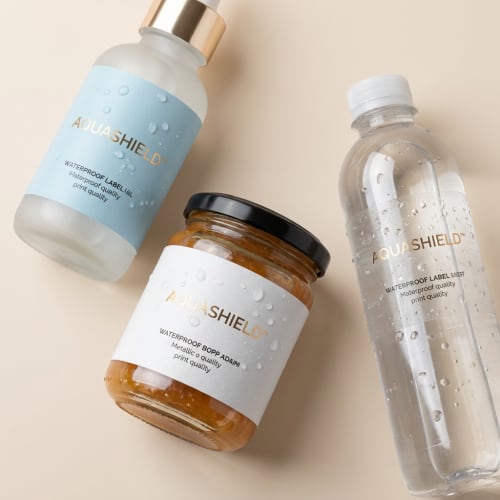
Paper is fine for dry, ambient goods, and film is the choice for anything wet, oily or handled a lot. BOPP film resists moisture, oil and abrasion. On glass and PET, clear film makes the label almost disappear. For cold-chain products, a freezer-grade adhesive bonds at low temperatures.
Kraft and HDPE reject standard adhesive more often than people expect, and high-tack grades are made for exactly those surfaces.
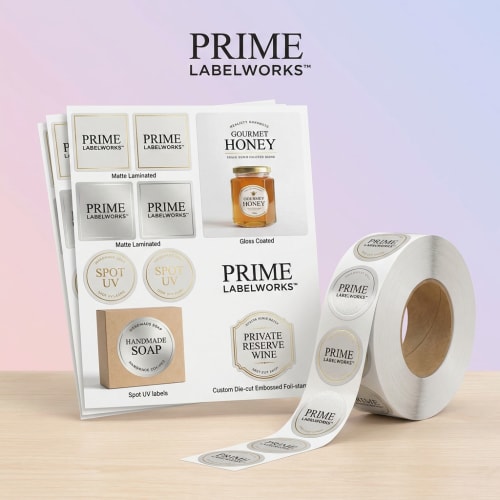
Yes, digital printing adds batch numbers, serials and version codes at almost no extra cost. Each label can differ from the next without a plate change. The same run can also take matte or gloss laminate, spot UV over matte, and cold foil, which lays metallic inline and can be printed over.
Die-cutting follows any outline the web will carry.
Roll labels run from 1 in to 8 in wide, and the die can be any shape within that. Measure the label itself, then check the maximum web width your applicator accepts. Label pitch, meaning the label length plus the gap, decides how many labels fit on each roll.
Width, pitch, core and unwind all go on one drawing for you to approve.
The smallest roll label order we take is 500 labels. Digital printing lowered the entry point, since costs are dominated by set-up and fall quickly as the run grows. Orders can go to 100,000.
If you have several versions or flavours, tell us how you'd like them split across rolls so each one loads onto the line without sorting.
Wound and boxed rolls are ready 7 to 10 business days after proof approval. Rush production cuts that to 5 to 7 business days. Before a long run, a sample made in 5 to 7 business days lets you feed a few labels through your own applicator.
What you pay for that trial roll comes off the production order.
Other products you might love.

Ready to start your Roll Labels project?
Get a free quote in 24 hours. Our atelier is here to help.