PremiumBespokeArtisanLuxuryCustom Jewelry Boxes
Tell us about your boxes
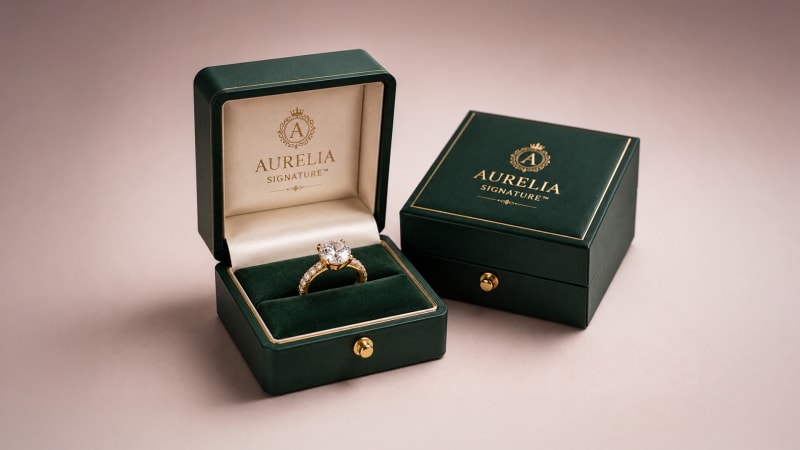
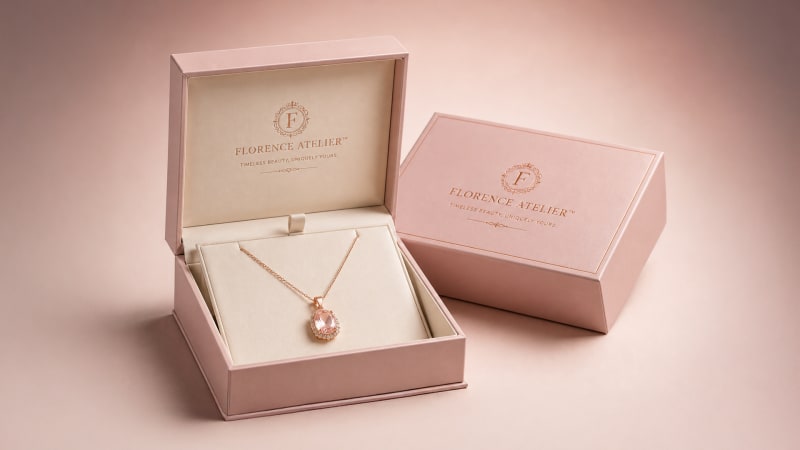
Popular Custom Jewelry Boxes
our brands keep reordering.
Hand-picked from our custom jewelry boxes range. 7 styles, each built for a different job.
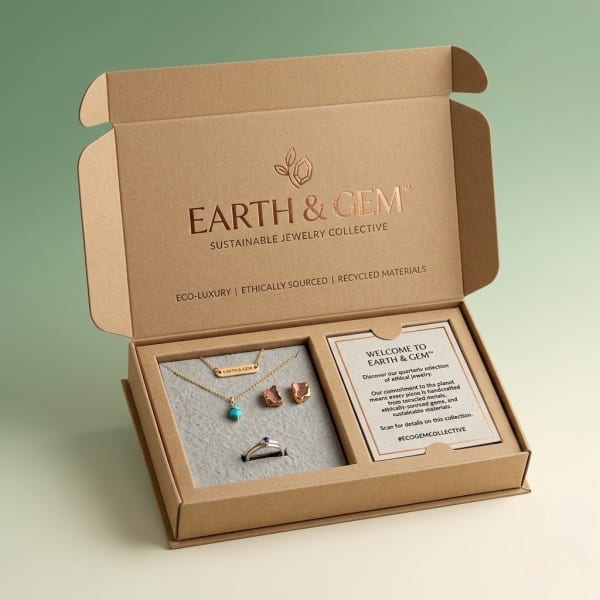
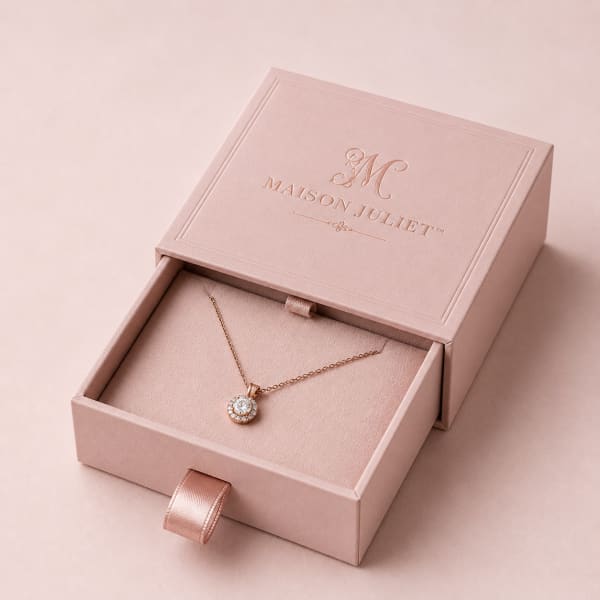
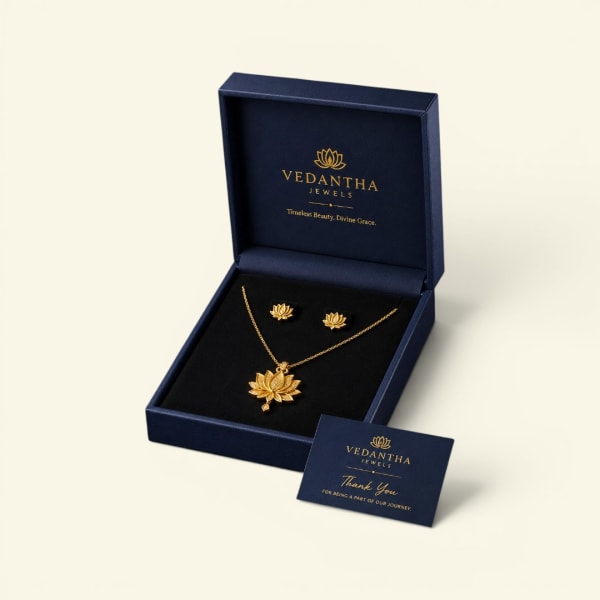
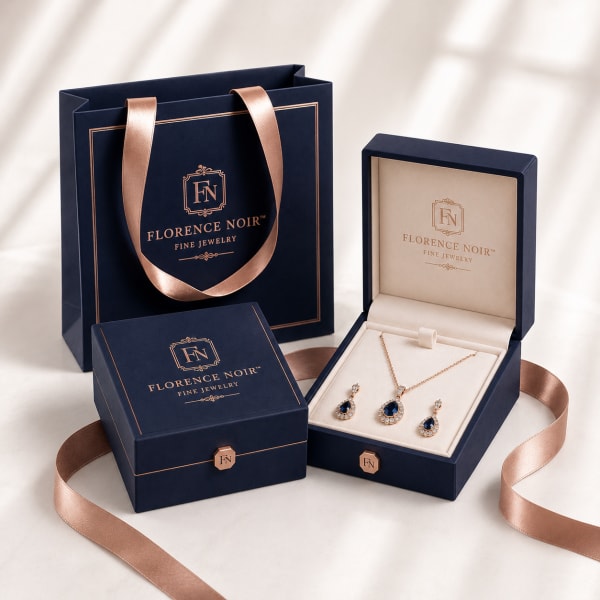
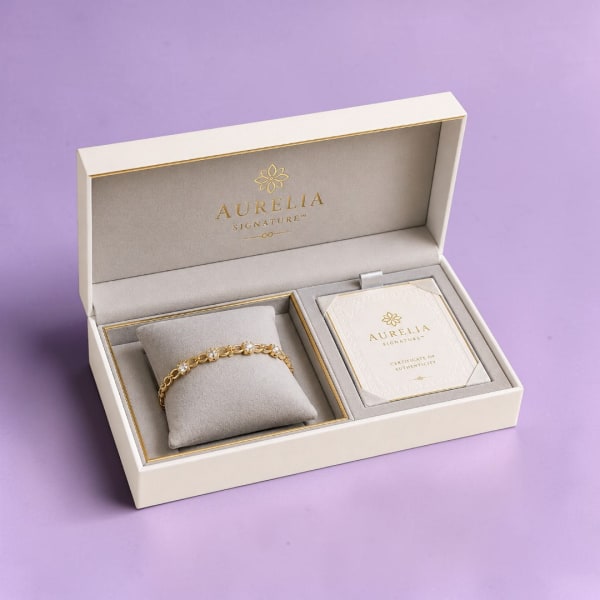
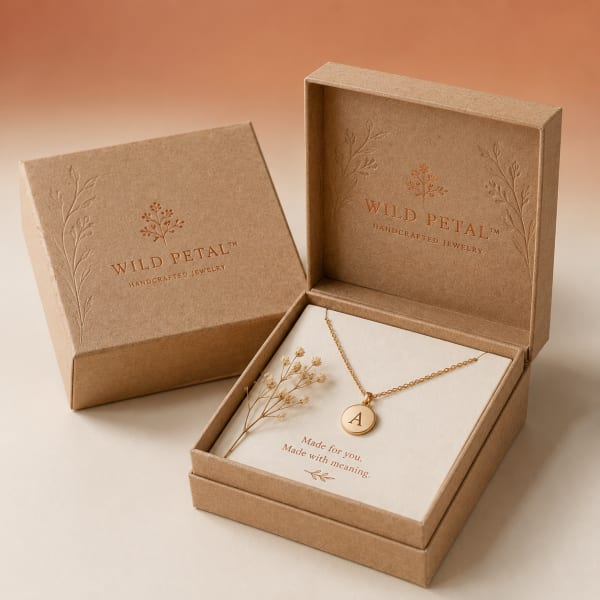
The box is the building.
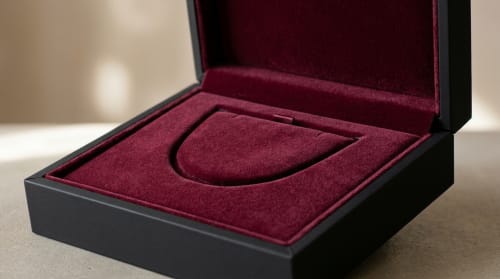
Inserts are everything else.
Furniture. Bodyguards. Stage crew. The unseen architecture that makes your product feel like it lives somewhere, not like it was just dropped in a box.
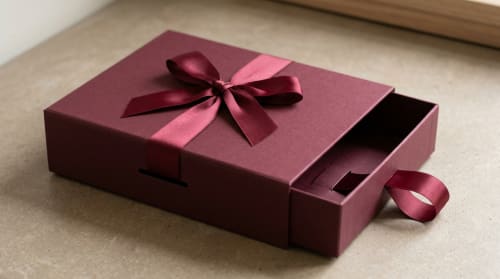
Every finish we offer on Jewelry Boxes.
Materials, finishes and add-ons available for this range. Order any of them as a free sample before you commit to a run.
Materials
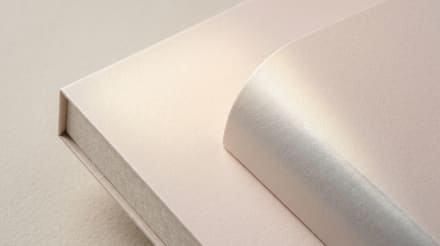
The board and film we build on


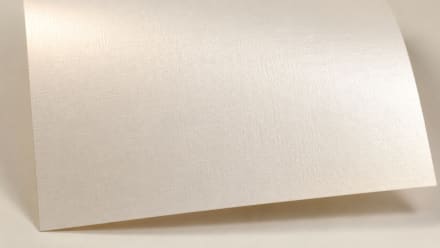
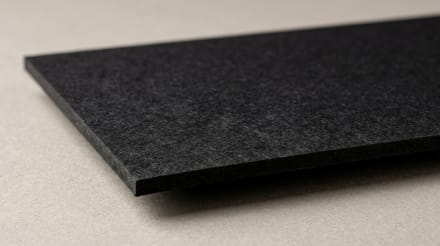
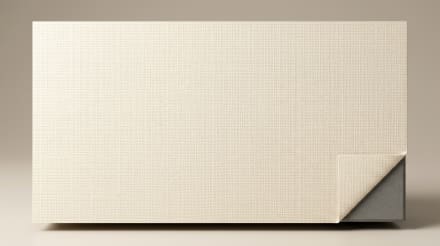
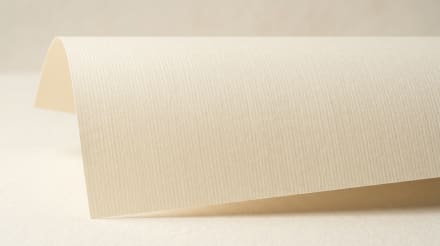
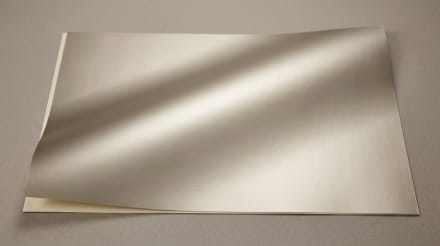
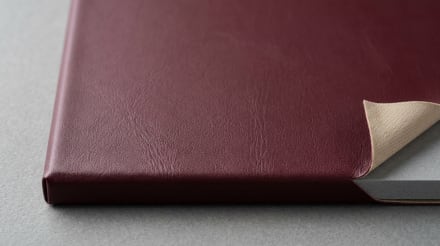
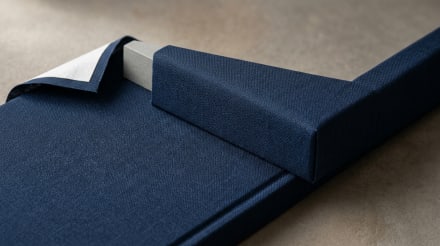
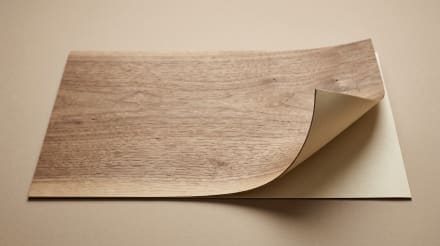
Finishes
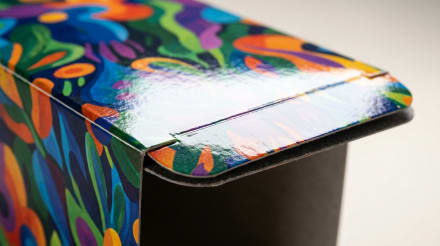
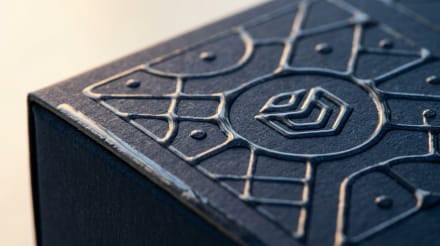
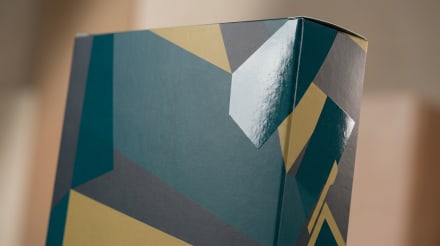
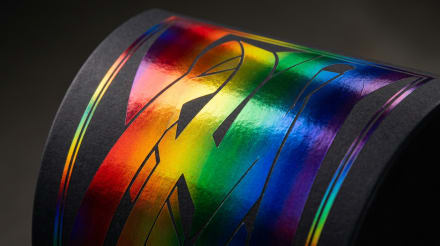
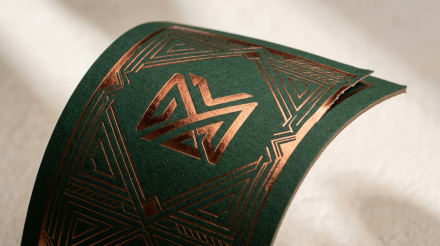
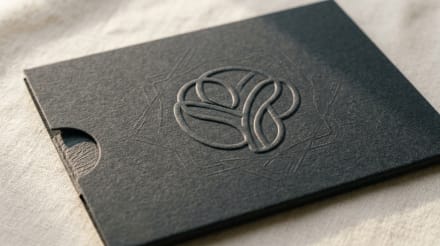
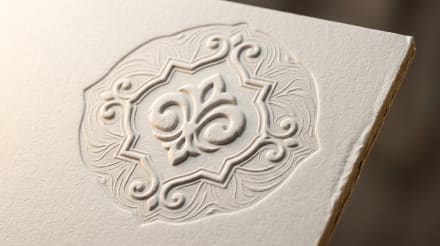
What the surface does in the light

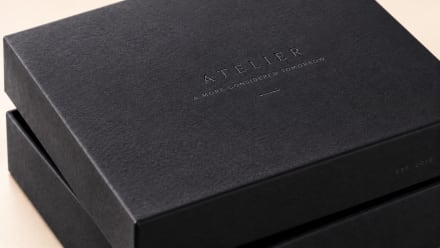
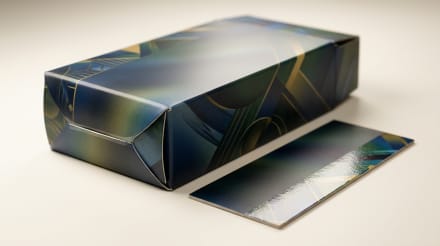
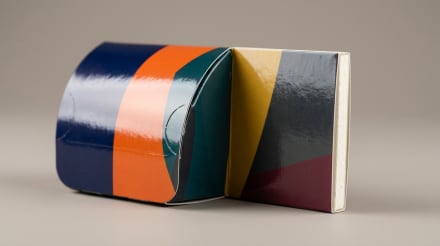
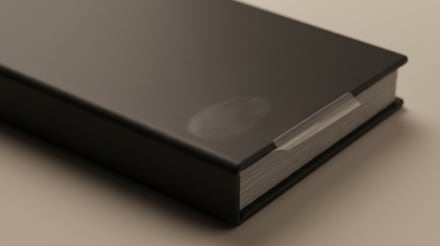
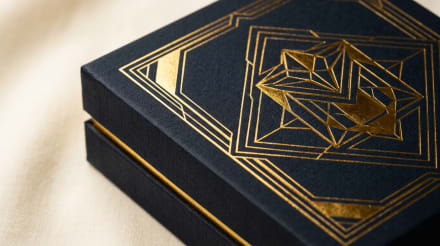
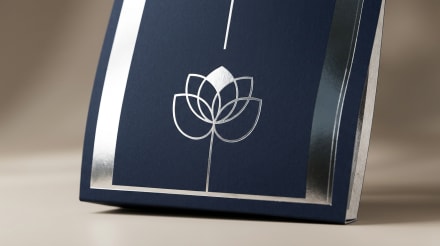
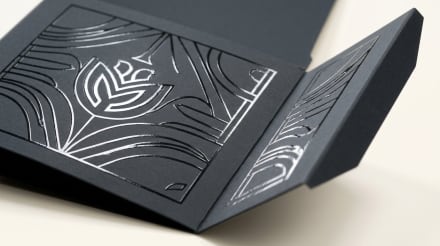
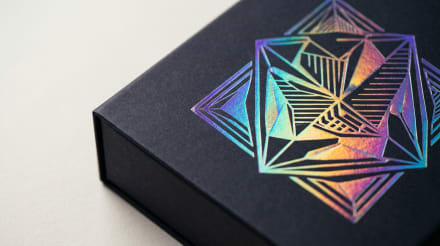
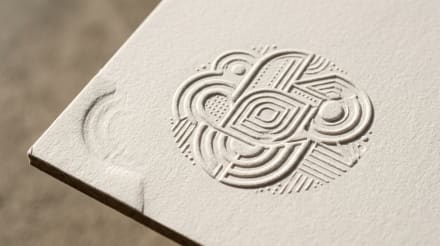
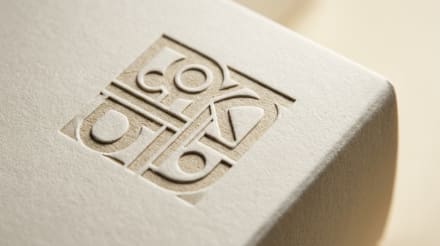
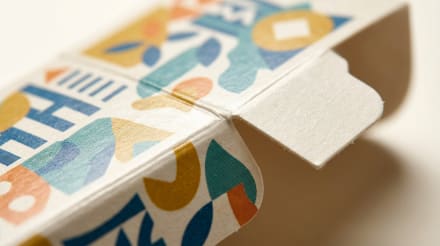
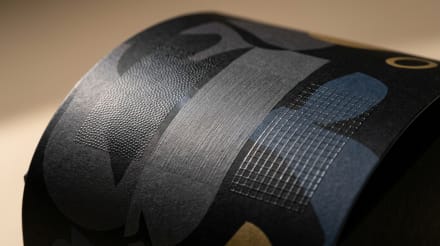
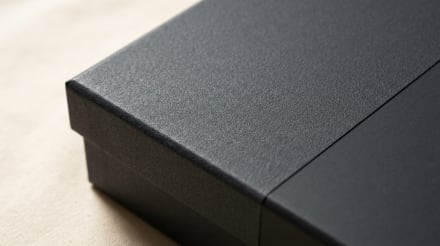
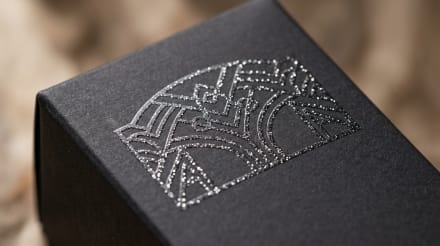
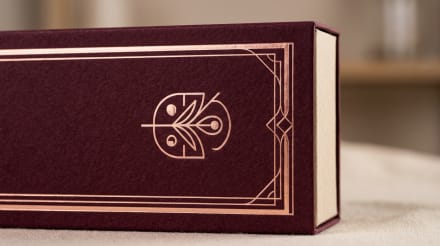

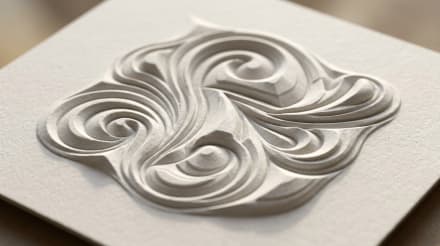
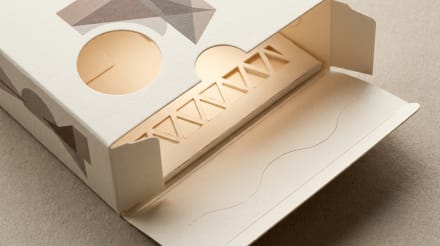
Add-ons
Closures, linings and the extra touches
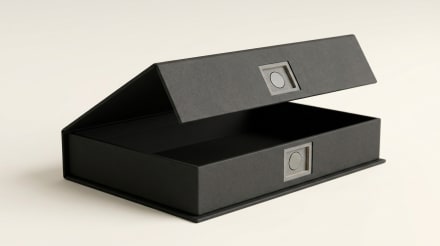

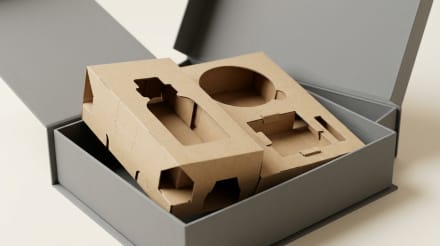


Every jewellery brand, one supplier.
Fine Jewellery Packaging
Velvet-lined rigid cases, foil-stamped logos, weighted lids. The box must be as premium as the piece inside.
A box worth keeping.
Every spec and every material, engineered for the jewellery unbox. Pick a chapter.
Why the box matters as much as the piece
In jewellery, the unboxing IS the purchase moment.
The box is part of the product
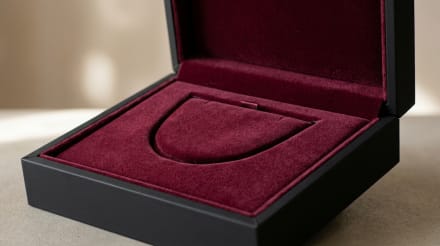
A jewellery box is the stage the piece is presented on. The velvet base, the weighted lid, the satisfying click. These details signal that what's inside is worth protecting.
Kept for years, not minutes
Unlike most packaging, jewellery boxes get reused as trinket storage, display pieces and memory keepers. Your brand name sits on a customer's dresser indefinitely.
The ring shot lives forever
Social media made the jewellery unbox a ritual. A beautiful box makes sure it gets photographed, posted and shared, and that is organic reach you can't buy with ads.
Surfaces that signal luxury
The materials do the talking before the lid lifts.
Rigid chipboard core
2.0–2.5mm greyboard gives jewellery boxes their architectural weight. The structure alone communicates quality. It doesn't flex or crush, and it protects what is inside.
Exterior wraps
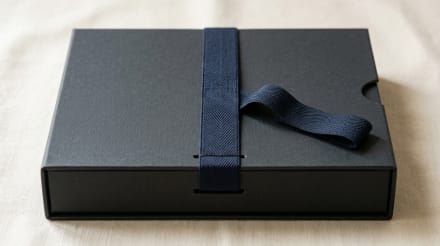
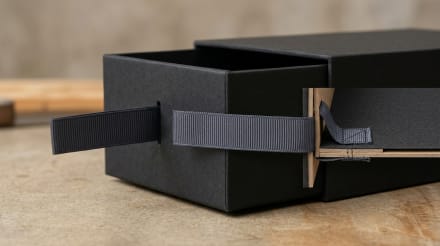
Textured leatherette, soft-touch velvet paper, metallic foil-blocked art paper, satin ribbon pull. Each wrap is selected to complement the jewellery inside rather than compete with it.
Interior lining
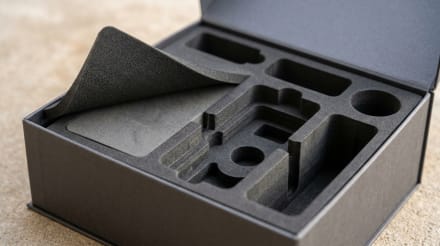
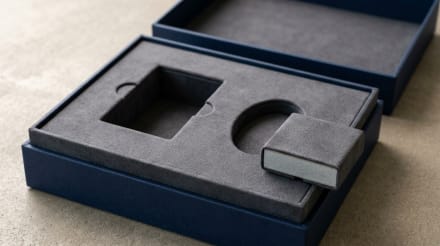
Velvet inserts (black, ivory, champagne), satin cushion pads, microfibre lining, custom-moulded foam. The interior is engineered around your specific piece dimensions.
Structures for every piece
Ring boxes to full set presentation cases.
Ring & earring boxes
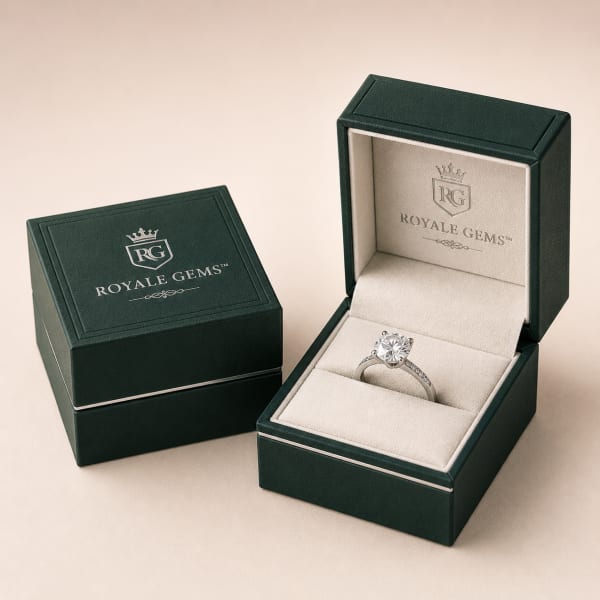
Classic hinged lid with velvet slit insert. Available in square, rectangular, and circular forms. Custom logo deboss on the lid as standard.
Necklace & watch cases
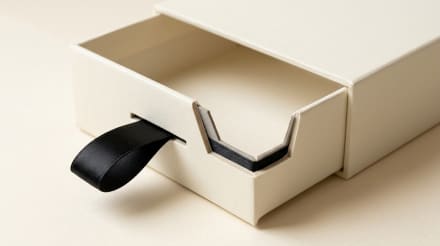
Deeper lid-and-base cases with satin cushion bolsters or watch pillow inserts. Drawer-pull configurations available for a reveal moment.
Set presentation boxes
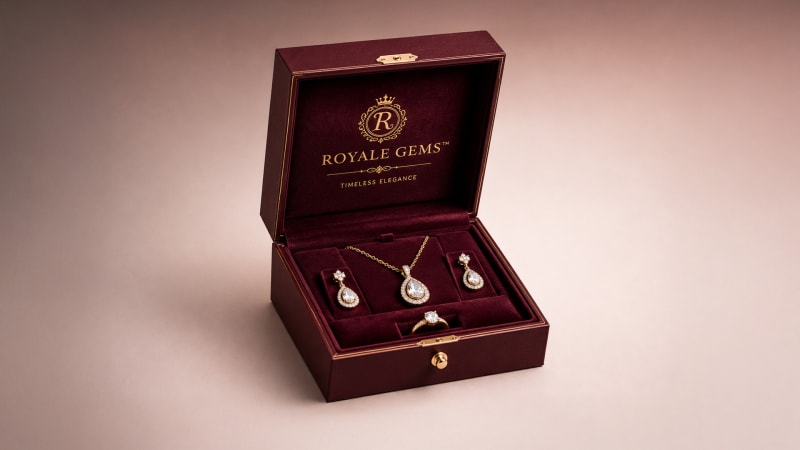
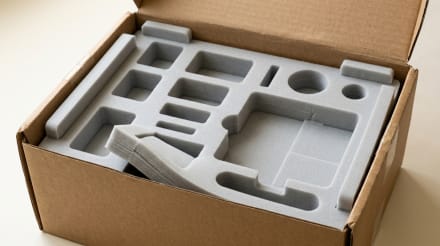
Multi-compartment cases for complete jewellery sets, cufflinks, or gift collections. Custom foam inlays hold every piece in precisely the right place.
Every jewellery category, covered
From fashion jewellery to fine.
Fine jewellery & watches
Premium rigid construction, velvet interior, foil-stamped branding. The box has to justify the price point, and ours do.
Fashion & costume jewellery
Cost-effective rigid alternatives that still deliver the unboxing moment. Minimum orders from 500 units.
Bridal & special occasion
Custom colour matching, white satin, champagne velvet. The box is the gift within the gift, and it is designed to photograph well.
DTC & e-commerce brands
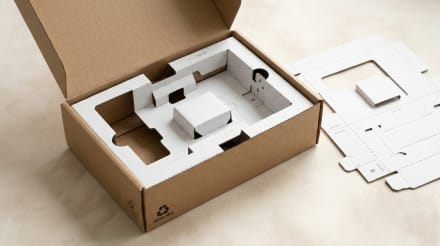
Shippable jewellery packaging with internal protection. Passes ISTA-2A drop test without an outer carton.
From sketch to shelf
How a jewellery box gets made.
01. Dimensions
Send us your product dimensions (or the piece itself). We engineer the interior hold precisely so nothing shifts in transit.
02. Design
Our studio proposes exterior wrap and finish options. Logo placement, deboss depth and foil colour are all refined in the digital proof round.
03. Sample & production
Physical sample recommended for first jewellery orders. Once approved: production, QC on every unit, packed flat or assembled to spec.
Questions, answered.
The interior. A ring box uses a slotted cushion that grips the band upright, and a pendant box uses a padded card with hooks and a pendant slot.
Both solve the same problem in different ways, presenting the piece as it would be worn while stopping it moving. Ring cushions hold the band between two padded pads so the stone faces the opener. Necklace pads catch the clasp and hang the chain, because a loose chain arrives as a knot.
Secure the clasp to a hook and let the chain drape along a padded card.
The restraint has to be genuine rather than decorative, especially for e-commerce, because a chain that merely rests on a pad will tangle in a courier network. The honest test is the shake test: close the box, invert it, shake it, open it, and see whether the chain is where it was placed. Most tangling complaints trace to packaging that fails that test.
Anything containing sulphur or PVC plasticisers, which tarnish silver and attack metal surfaces over time.
The contamination source is often the adhesive rather than the visible fabric, so lining glues need checking as much as the flock or velvet. For pieces expected to be stored long term, such as heirloom, collector and commemorative packaging, sulphur-free and acid-free materials should be specified explicitly and documented rather than assumed.
So the lid snaps to a fixed open angle and holds there, presenting the ring across a table.
That snap is the format's signature and, functionally, its quality marker. A hinge that flops or fails to hold the lid past vertical undermines the whole gesture. Good boxes open past vertical so the piece presents to someone sitting opposite rather than only to the person holding it.
A flat-profile ring box designed to hide in a pocket without the tell-tale bulge.
It is arguably the format's only genuine innovation in a century, and it exists entirely for proposals. The trade-off is a less traditional presentation. The classic cube reads as a ring box instantly, which is sometimes exactly what is not wanted until the right moment.
Yes. Jewellery boxes are presentation objects, not shippers.
Wrapped rigid construction dents on a corner drop and the covering materials mark easily. For direct-to-consumer, the convention is the presentation box inside a corrugated mailer with the pouch and any papers. That also protects the unboxing, since a scuffed jewellery box undercuts the piece inside it before it is even opened.
Retail packaging goes home with one piece. Display packaging, meaning trays, busts and risers, presents hundreds of pieces daily in a shop.
The trade tray standardised at 14 × 9.5 inches, which stacks in cases and drawers by design. Display materials are specified for daily wear rather than presentation. Flock thinning is the replacement clock, and the mid-grey and linen surfaces the trade favours exist because white washes out under counter lighting and black swallows detail.
500 units, with 7–10 business days production.
Because these are small hand-assembled constructions, the unit price falls slowly with quantity, as the assembly labour does not disappear at volume. If you need a lower entry point, plain rigid formats in our Rigid Boxes range start at 30 units.
Your brand deserves
better packaging.
Work one to one with a dedicated packaging manager, from first sketch to delivery.