PremiumBespokeArtisanLuxuryCustom Retail Boxes
Tell us about your boxes
Popular Custom Retail Boxes
our brands keep reordering.
Hand-picked from our custom retail boxes range. 8 styles, each built for a different job.

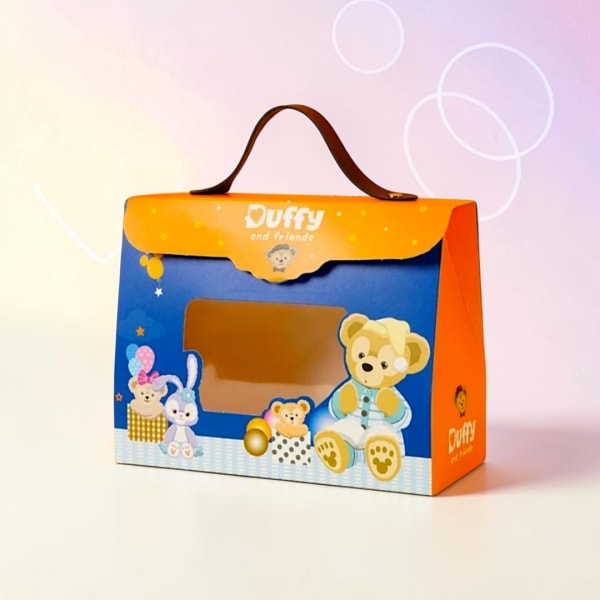

The box is the building.
Inserts are everything else.
Furniture. Bodyguards. Stage crew. The unseen architecture that makes your product feel like it lives somewhere, not like it was just dropped in a box.
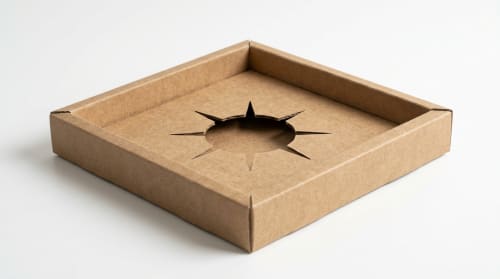
Paperboard Inserts
“Clean recyclable inserts for”
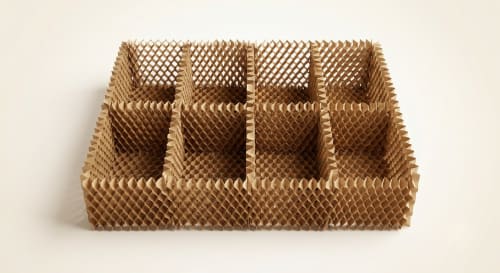
Honeycomb Paper Inserts
“Eco-friendly cushioning inserts for”
Every finish we offer on Retail Boxes.
Materials, finishes and add-ons available for this range. Order any of them as a free sample before you commit to a run.
Materials
The board and film we build on
 ◷ ECO
◷ ECO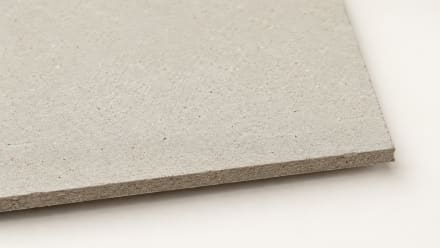
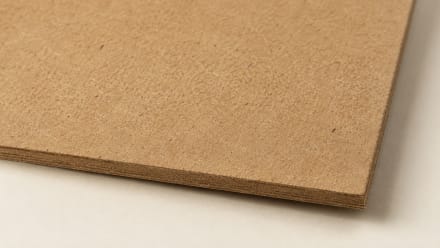

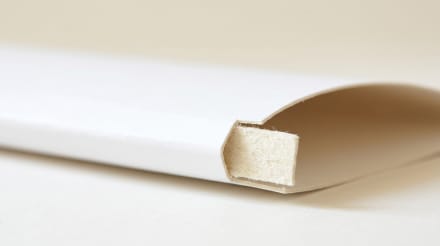
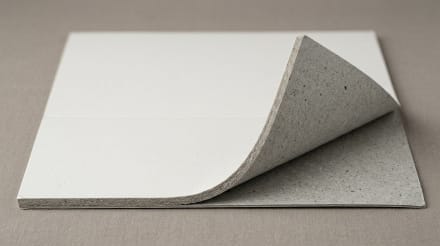
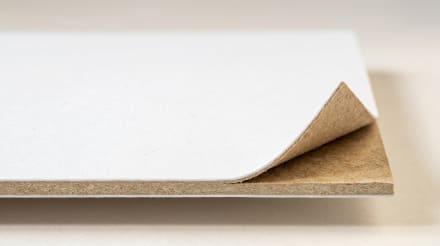
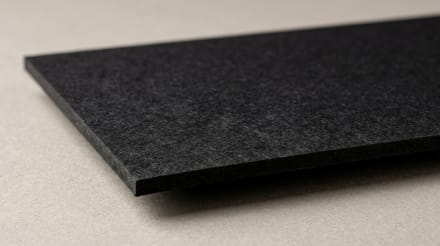

Finishes
What the surface does in the light

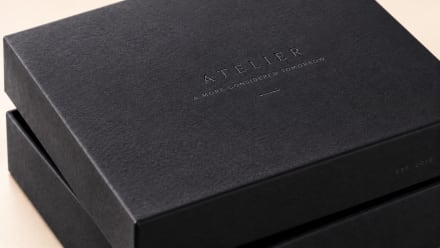
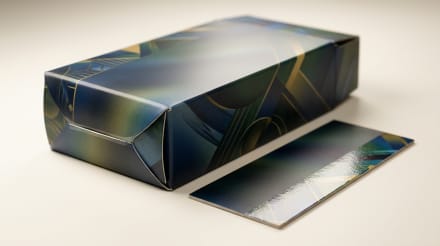
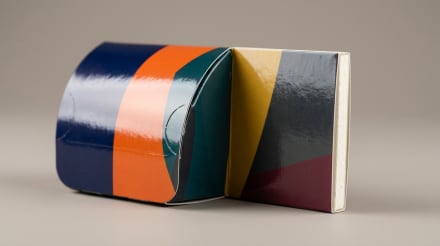
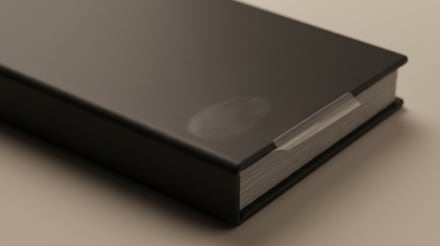
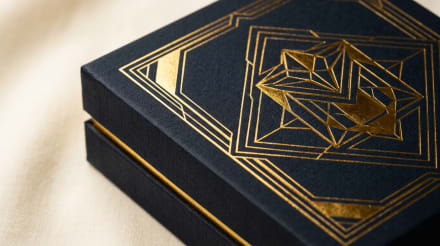

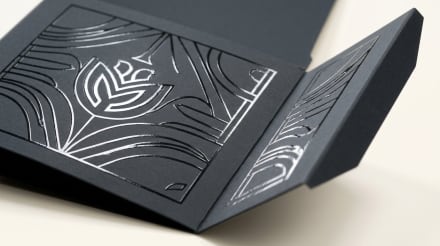
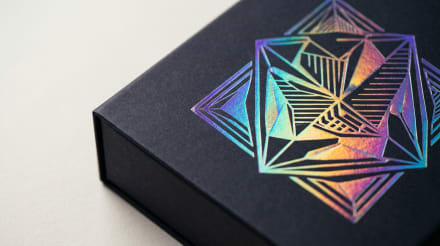

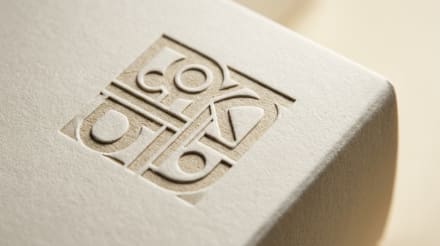
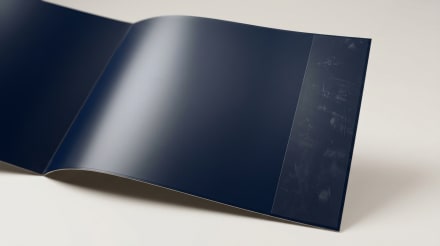
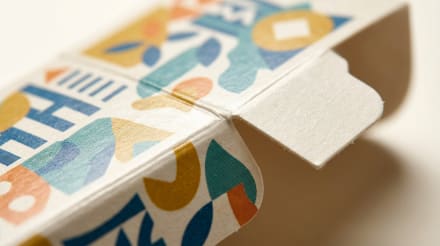
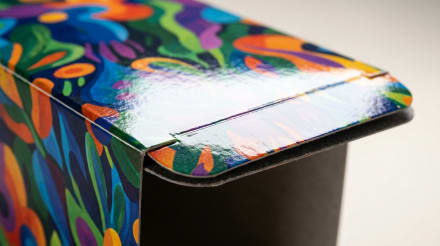


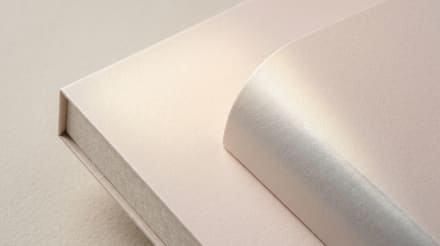
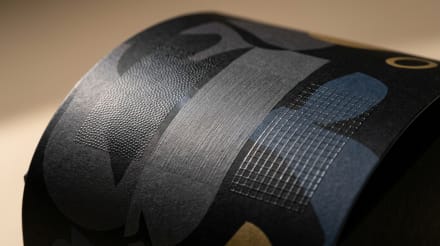
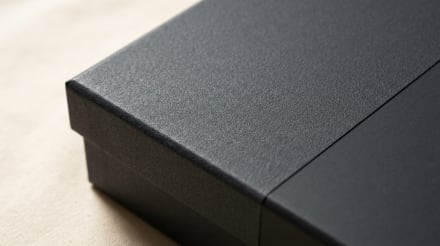
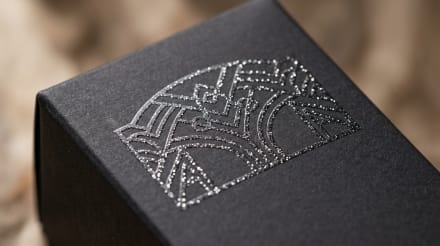

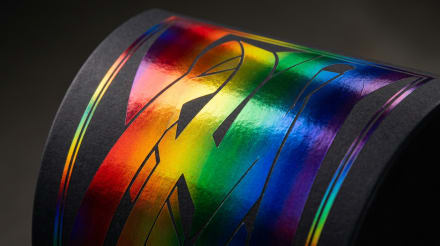
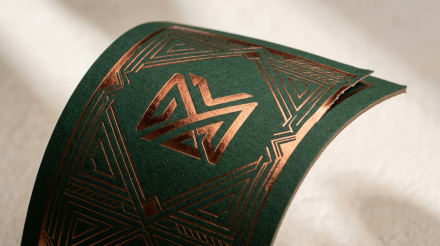
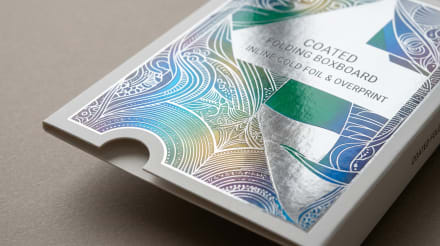

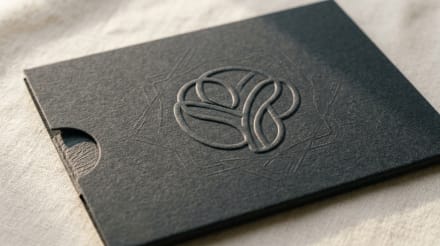




Add-ons
Closures, linings and the extra touches
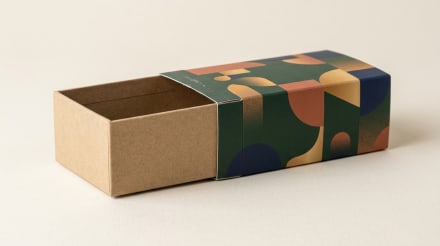
For brands competing on a shelf they do not control.
Grocery & FMCG Packaging
Shelf-ready packaging built to retailer specification, with barcode verification and case configurations that match the planogram. Cost per unit engineered down without losing shelf presence.
Built for the three seconds you get.
Custom retail boxes, designed around shelf position, retailer specification and the moment a shopper decides.
Retail packaging has two customers.
The shopper, and the retailer who decides whether you get shelf space at all.
The shopper gives you a glance
Shelf research consistently puts the decision window at a few seconds. In that time the pack has to communicate what the product is, who it is for, and why it is better than the one beside it. Hierarchy beats detail every time. Most retail packs fail by saying too much.
The retailer has a specification
Barcode size and placement, case count, pallet configuration, shelf depth, and increasingly shelf-ready presentation. Miss the spec and you get delisted regardless of how good the product is. These requirements arrive as a document and they are not negotiable.
The facing is what you actually own
You do not own the shelf, you own one face of it. Designing the front panel to work at arm's length, in poor lighting, beside competitors, is the whole discipline. It is also why the back panel is where the detail belongs.
Board that survives the supply chain.
A retail pack is handled far more times than most brands picture.
Folding boxboard
The retail standard, from around 300gsm up. Bright white for full-colour print, or kraft-backed where a natural look suits the positioning. Good crease performance, which matters when a pack is erected on a fast line.
E-flute and F-flute corrugated
Where the pack needs real crush resistance but must still print well. E-flute is the workhorse for retail-ready cases and heavier products; F-flute is finer and prints closer to a carton finish while keeping the structural benefit.
Coatings that survive handling
Matt or gloss lamination protects print through repeated handling and reduces scuffing in transit. Aqueous coating is the lower-cost, more recyclable alternative where the pack does not need the same abrasion resistance.
Shelf-ready, hanging, stacking, or all three.
How the pack presents is a structural decision, not a print one.
Shelf-ready packaging
A case that becomes the shelf display, perforated so staff tear away the front and place the whole tray. Retailers increasingly require it because it cuts restocking time dramatically, and it means your case artwork is on display, not in a bin.
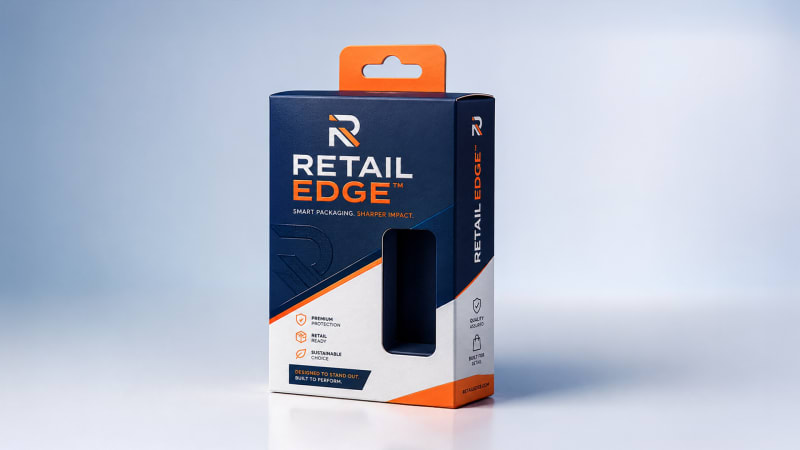
Hang tabs and peg display
Euro slots, round holes, or applied hang tabs for peg walls. The reinforcement matters: an unreinforced hang hole tears and the pack ends up on the floor, which is how products get quietly removed from a planogram.
Stacking and blocking
Flat tops, square profiles and consistent footprints let packs block together into a solid brand presence rather than a ragged line. It is an underrated advantage of rectangular formats over shaped ones in a mass retail setting.
Where retail packaging is the whole game.
Categories that live or die on shelf.
Grocery and FMCG
High volume, thin margins, and a planogram review that can remove you at any time. Cost per unit and retailer compliance dominate every other consideration, and shelf-ready formats are increasingly the price of entry.
Health, beauty and personal care
Crowded shelves where differentiation comes from finish as much as design. Soft-touch, spot UV and foil earn their cost here because the shopper picks the pack up before deciding.
Electronics and accessories
Small high-value items that need theft deterrence, clear specification on pack, and usually a hanging format. Blister and card combinations are common, and increasingly replaced with all-fibre alternatives on retailer instruction.
From retailer spec to shelf.
The specification comes first, and it constrains everything after it.
01. Send us the retailer specification
Barcode requirements, case count, shelf depth, SRP rules. It is far cheaper to design inside the spec than to discover it after tooling.
02. Structure and dieline
We build the structure around the product and the spec together, and return a dieline free with the quote.
03. Artwork and barcode verification
Artwork is checked for barcode size, quiet zones and contrast. A barcode that will not scan at the till is the single most expensive artwork error in retail.
04. Proof and physical sample
Digital proof, and a physical sample for anything going into a national retailer. Worth doing once rather than explaining later.
05. Production and delivery
Printed, finished, die-cut, glued and shipped nationwide across the USA.
Questions, answered.
A clean front face, a size that fits the fixture, and information the shopper can find in about five seconds.
Retail shoppers scan rather than read. Whatever attribute they came for, whether the size, the variant or the claim that made them pick this category, should sit above the brand in the visual hierarchy. A customer who cannot find it quickly buys the box that made it obvious.
14pt to 24pt SBS covers most of it, with 18pt as the general retail standard.
Caliper follows contents weight and panel span rather than price positioning. Tall narrow cartons need more body than wide shallow ones because the board is doing structural work. Anything over about a foot in span wants heavier board or a flute upgrade to prevent bowing on shelf.
Colour blocking at distance, a clear silhouette, and one message that reads at arm's length.
The three-distance test is useful: from six feet the pack needs stopping power through colour and shape; on approach it needs brand recognition; at arm's length it needs the specific claim or variant. Packs that try to communicate everything at every distance communicate nothing at any of them.
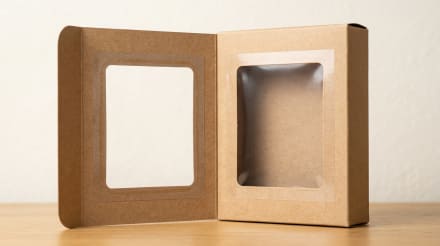
For a product that is worth seeing, yes. Showing it consistently outperforms describing it.
The structural cost is real, though. An aperture removes material that was contributing to rigidity, so keep a generous frame and step up the caliper on larger windows. Where a product photographs better than it looks in person, or settles unattractively in the pack, a printed image serves better than a window.
A tab with a euro slot or round hole that lets a box hang on pegboard, used where fixtures are vertical rather than shelved.
The critical specification is reinforcement rated to the filled weight, because a tab tearing at retail drops product on the floor. Integrated tabs die-cut from the blank suit light goods; applied delta tabs handle heavier items and retrofits.
They need adequate quiet zones, high contrast and a flat surface. Placement is more flexible than those three requirements.
Barcodes fail to scan for predictable reasons: too little clear space around the code, low contrast from a dark or metallic background, curvature distorting the bars, and printing across a fold. Keep them on a solid light panel away from creases and foil, and scan-test a production sample.
Either design the retail box to survive shipping alone, or accept a two-box system.
Retail packaging is designed to look good under fixture lighting rather than to survive a parcel network, and it usually arrives scuffed if shipped bare. The options are a retail box built to shipping standards with a laminate that resists scuffing, or a plain corrugated outer around the retail pack. For premium products the second is usually cheaper overall than the returns.
500 units, with 7–10 business days production.
Below that, digital printing produces shorter runs at a higher unit price, which suits products testing shelf demand before committing to a full offset run. Once a format settles, offset printing above roughly 10,000 units brings the per-unit cost down substantially.
Your brand deserves
better packaging.
Work one to one with a dedicated packaging manager, from first sketch to delivery.