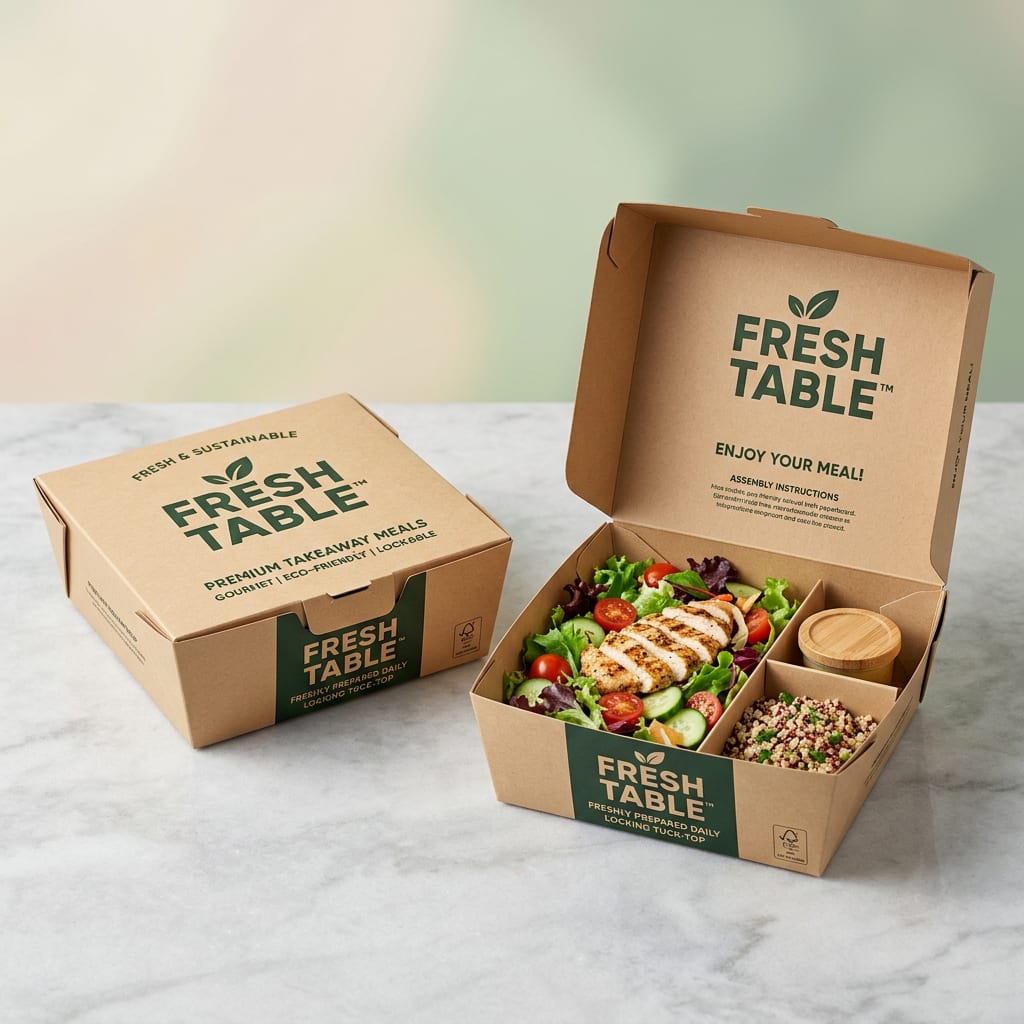
Paper Lunch Box.
Final price depends on size, material, finish and quantity. Your packaging manager confirms it before production.
Your custom box, quoted.
The full specification book.
Six chapters. Six colours. Click a tab to turn the page.
Paper Lunch Box
A closed box for food that travels, built for containment rather than counter service.
Where a tray serves food eaten immediately, this carries it. The closure and the coating together decide whether it arrives intact.
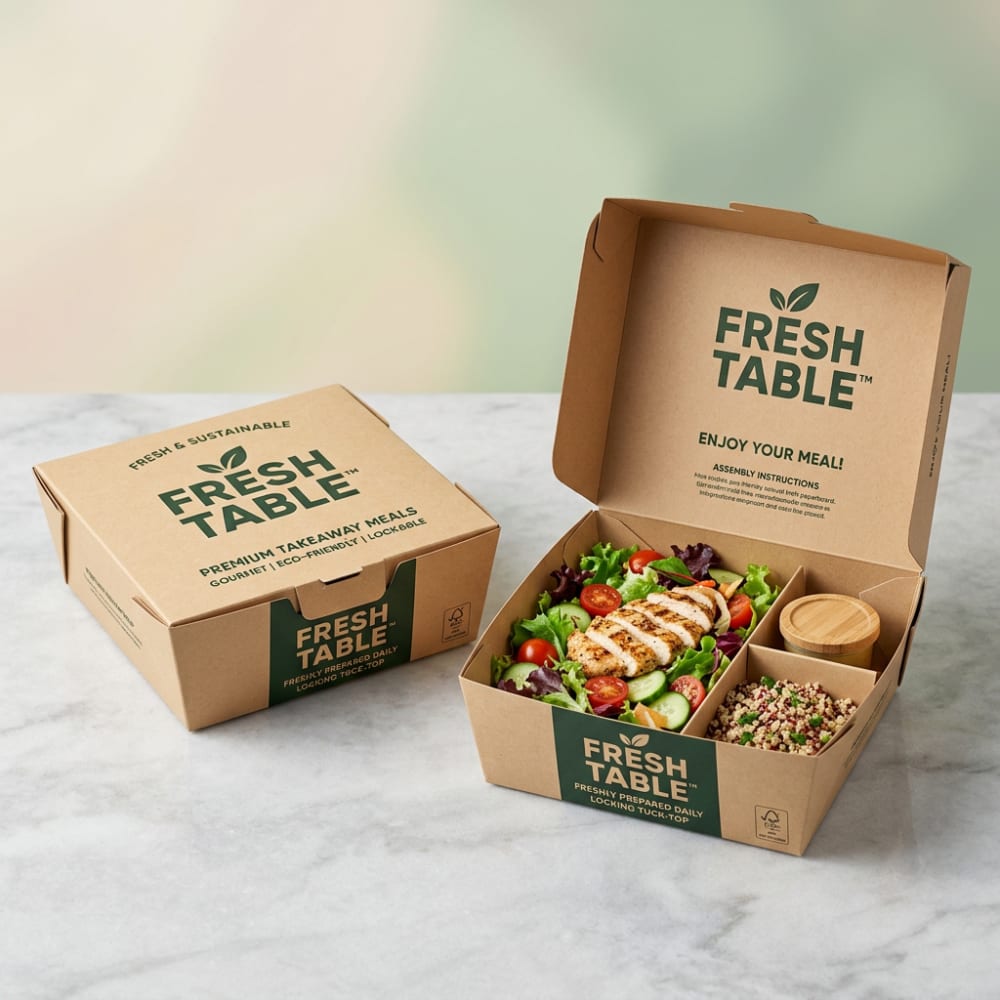
Every detail. Intentional.
Closed for travel
Not an eat-now open format.
Closure holds through a bag
Tab or fold, tested filled.
Coated for wet contents
Sauces sit in it for the journey.
Vents where food is hot
Or the contents steam themselves.
Stacks level in a tote
Delivery bags need flat tops.
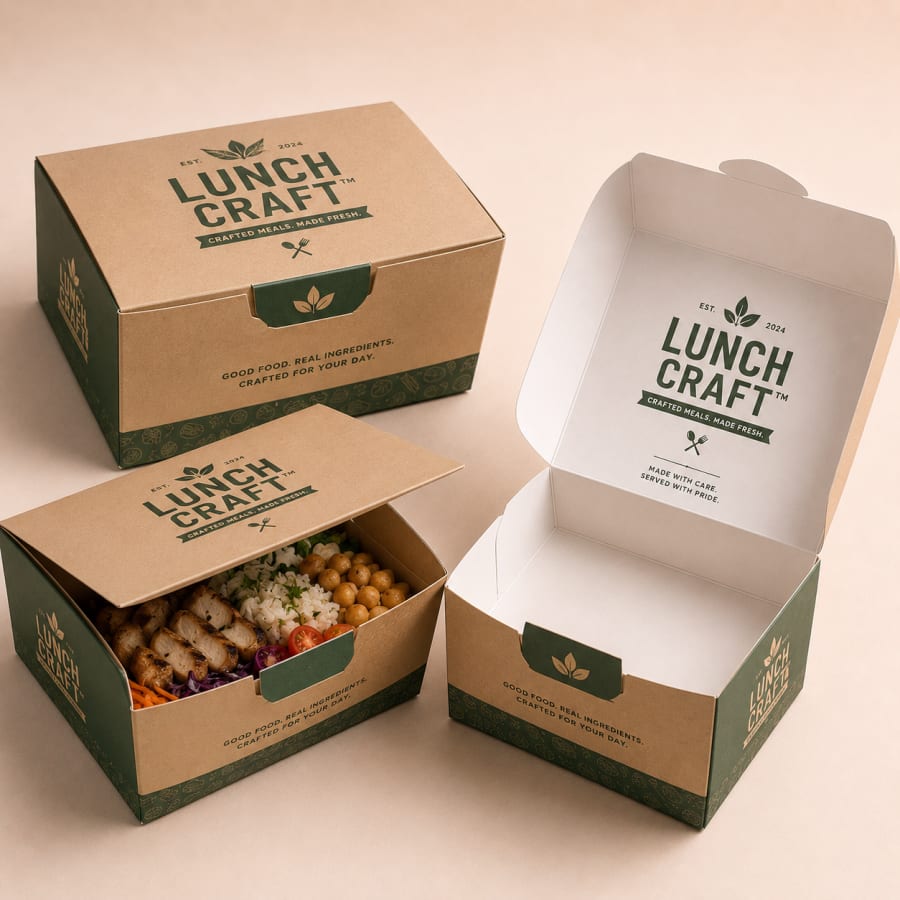
Print on the lid
In view when it is opened.
Built like architecture.
Every order of Paper Lunch Box is an engineered build, measured, dieline-cut and hand-wrapped to spec. Below is the standard build sheet.
✦ Need a custom spec? Talk to our atelier. Every detail is negotiable.
Every surface, hand-selected.
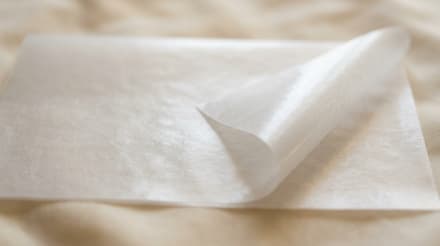
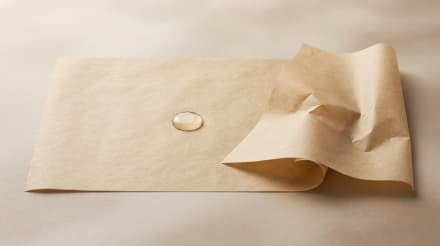
What this product is built from, and the surfaces it takes. Below the build sheet sits the full swatch library. Every option applies across our range, and a physical swatch set is available on request.
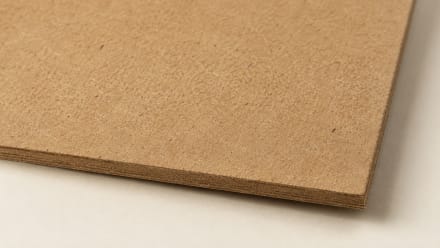
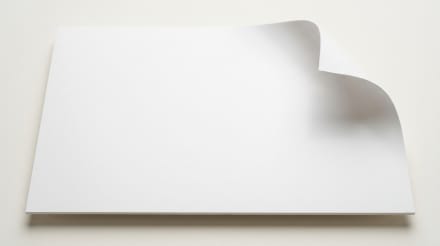
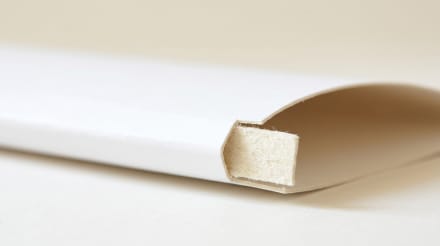
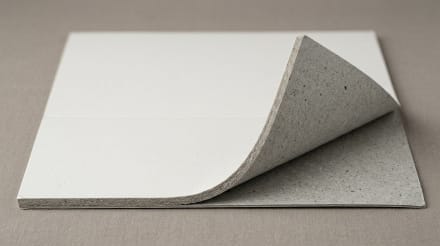
Material
The board and paper your box is built from.
 ◷ ECO
◷ ECO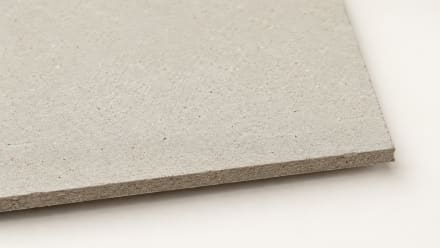 ◷ FINISH
 ◷ FINISH
 ◷ FINISH
 ◷ FINISH
 ◷ FINISH
 ◷ FINISH
 ◷ FINISH
 ◷ FINISH
 ◷ FINISH
 ◷ FINISH
 ◷ FINISH
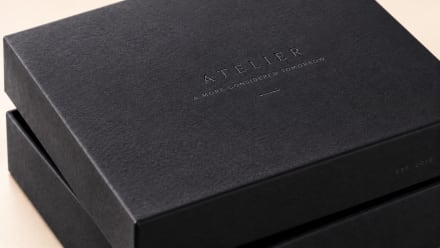
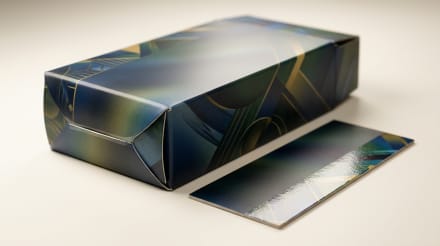
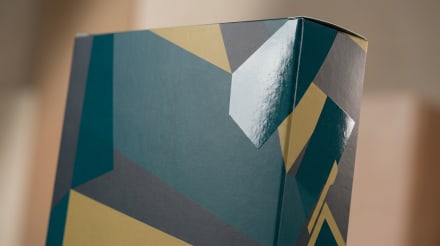
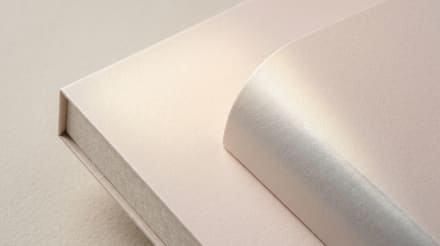
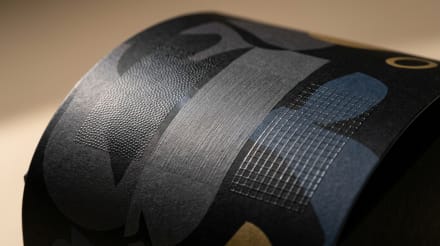
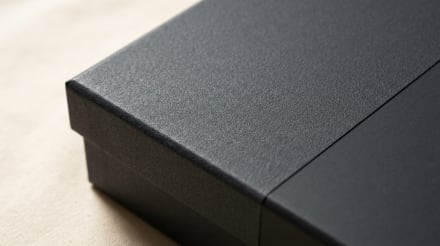
Finishes
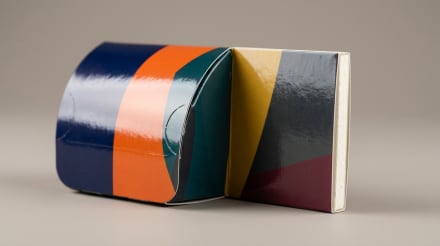
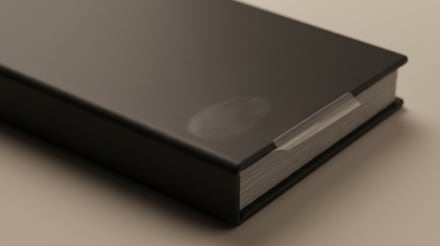
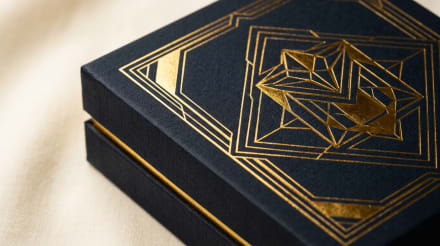
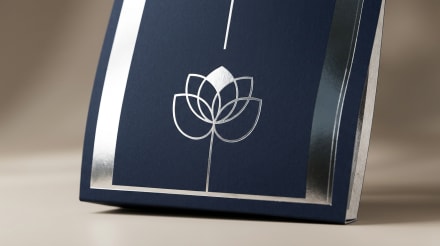
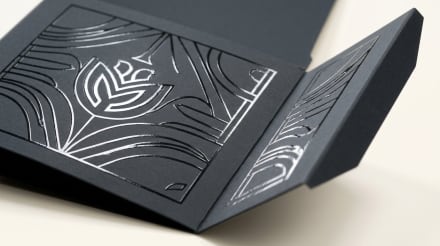
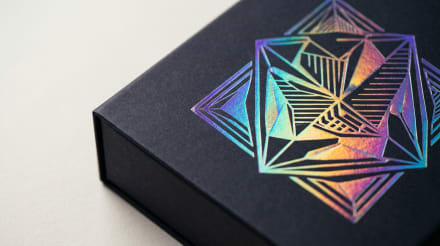
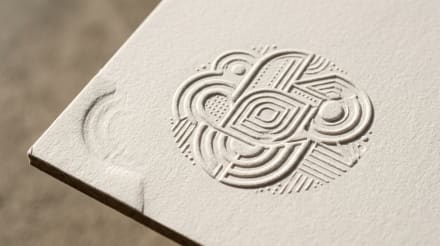
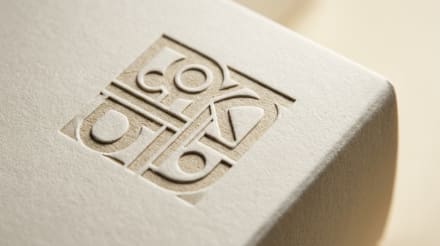
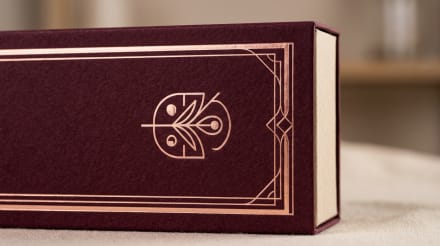
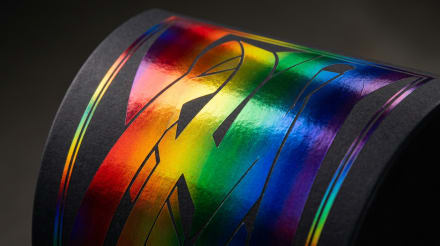
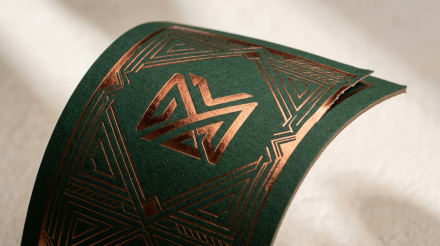
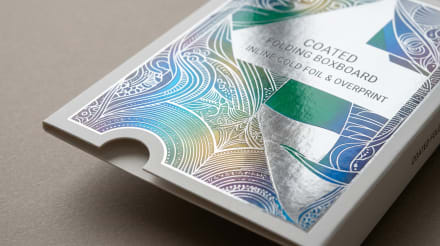
How the outer surface looks, feels, and catches light.
 ◷ FINISH
 ◷ FINISH
 ◷ FINISH
 ◷ FINISH
 ◷ FINISH
 ◷ FINISH
 ◷ FINISH
 ◷ FINISH
 ◷ FINISH
 ◷ FINISH
 ◷ FINISH
 ◷ FINISH
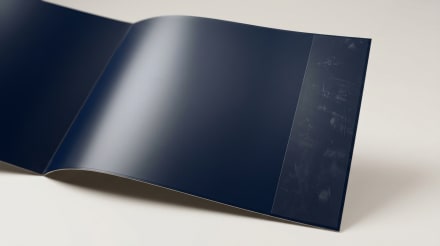 ◷ FINISH
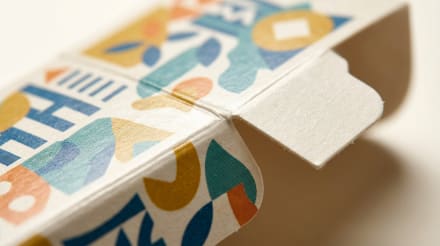 ◷ FINISH
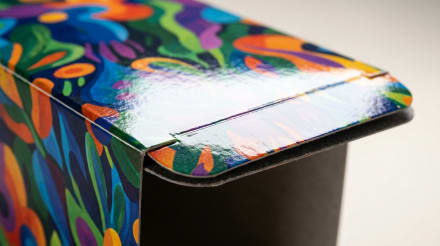 ◷ FINISH
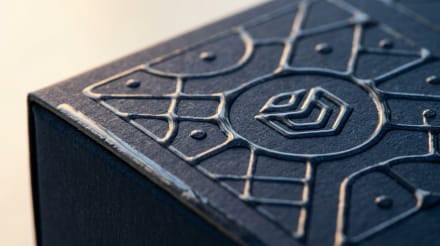 ◷ FINISH
 ◷ FINISH
 ◷ FINISH
 ◷ FINISH
 ◷ FINISH
 ◷ FINISH
 ◷ FINISH
 ◷ FINISH
 ◷ FINISH
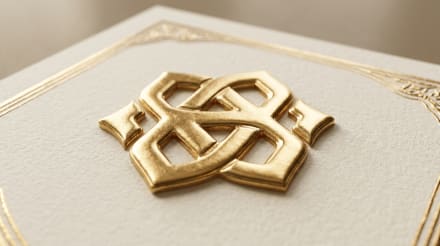 ◷ FINISH
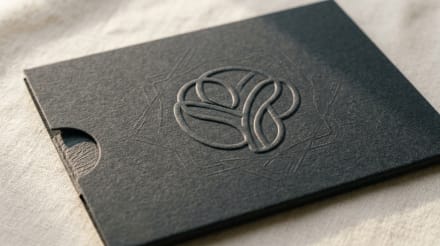 ◷ FINISH
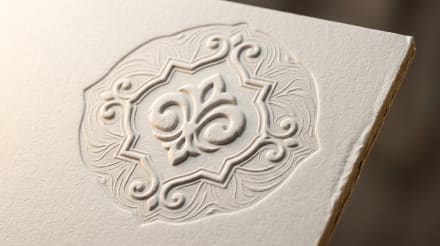 ◷ FINISH
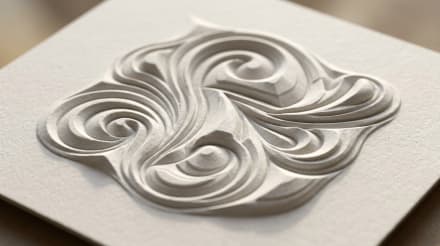 ◷ FINISH
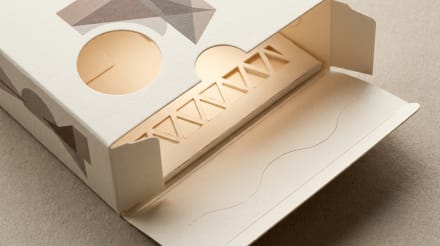 ◷ FINISH
 ◷ FINISH
Add-ons
Closures, linings, and hardware that complete the build.
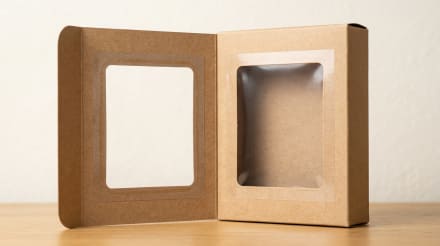 ◷ FINISH
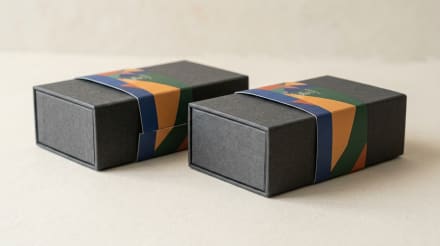 ◷ FINISH
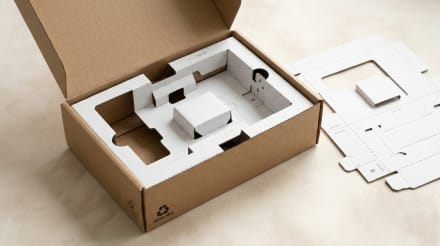 ◷ FINISH
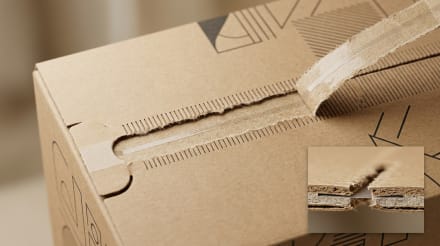 ◷ FINISH
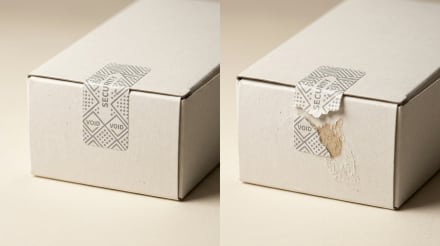 ◷ FINISH
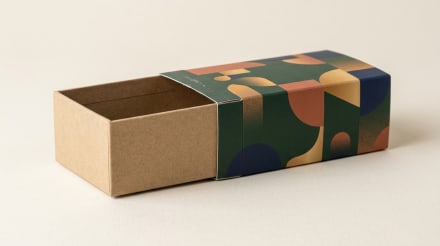 ◷ FINISH
✦ Mix and match across all three and we'll build your exact combination.
The full kit of capabilities.
Sizing & dieline.
We cut Paper Lunch Box to a dieline built around your product instead of pulling a stock size off the shelf. Send us the length, width and height of the item (or the item itself) and we return a measured dieline, free, before you commit to anything.
Length, width and height of the item itself, at its widest points. Measure the product, not the box you happen to use today.
Allow 2–4 mm on each axis for a snug fit, and more if you are adding foam, a pillow insert or tissue.
We quote as Length × Width × Height. Tell us whether you are working in millimetres or inches and we match it.
✦ Not sure of your size? Send us the product and we measure it and build the dieline.
Pricing & minimums.
We price Paper Lunch Box per specification rather than from a fixed list, because the same build in two different finishes can land at very different numbers. Below is what actually moves the price, so you can shape the spec before you request a quote.
The single biggest lever. Unit cost falls sharply as volume rises, because setup and tooling spread across more pieces.
Board weight and stock choice change both the raw material cost and the shipping weight of the finished run.
Foil, spot UV, embossing and soft-touch each add a pass on press. One or two lift the box; five compound the cost.
Full-bleed print inside and out costs more than a one-sided design on natural stock.
Foam, moulded pulp, velvet pillows, magnets and ribbon are priced per piece on top of the box itself.
Standard production is the base rate. Rush moves you up the production queue and carries a surcharge.
✦ Quotes returned within 24 hours.
Questions, answered.
Everything you need to know about Paper Lunch Box.
The lid uses a tab lock or a fold-over closure, and we test it with food inside rather than empty. A delivery bag gets carried at an angle, so a closure that holds on the bench can still let go in transit. A flat top and a rigid lid mean the boxes stack level in a tote without the lower one crushing.
We would go with the tab lock for anything heavier than a sandwich.
Yes, a hot meal in an unvented box steams itself soft before it arrives. We size the venting to the delivery time, because a bag traps humidity and a longer run needs more escape than a five-minute walk. Cold meals do not need vents at all, and leaving them out keeps the box cleaner in a chilled cabinet.
We do not supply unvented boxes for hot mains for exactly this reason.
Compartment inserts stop moisture migrating between components, but they cannot hold two temperatures. Board conducts heat, so a hot main will warm a cold side within minutes in the same box. Where the menu really needs both, the honest fix is two containers.
If everything on the menu is served hot, or everything is served cold, the problem disappears and a single compartmented box works well.
Kraft board with simple flexo print is the food-to-go standard, and full CMYK suits chains that want colour artwork. A printed sleeve is the route we recommend for allergen and ingredient information, since it carries the mandatory marks without covering the box. Inside print is under-used and lands at the moment of opening.
A window panel shows the meal, which helps chilled grab-and-go sell from a cabinet.
The two common sizes are 7 by 5 by 3 inches and 9 by 6 by 3.5 inches, measured as internal length, width and height. The smaller one takes a sandwich and a side, and the larger one holds a whole plated meal. Depth matters more than footprint when the meal is stacked rather than spread out.
Send us the menu items and we will suggest the footprint before cutting a dieline.
500 boxes is the starting quantity. Per-box cost falls as the order grows, and the top of our range is 100,000 per order for multi-site catering. Structural design and the dieline are free of charge.
A plain kraft box with one-colour print keeps the first order affordable while you settle the format.
A standard run takes 7 to 10 business days from artwork sign-off. Rush production is 5 to 7 business days, and samples take 5 to 7 business days so you can test the closure with a real meal inside. The sample cost is deducted from the production invoice.
We ship anywhere in the USA.
They are when built on PLA-lined board, which gives a compostable grease barrier for operators with a composting route. Clay-coated board is the more common choice where composting is not available, and a greaseproof liner handles oily mains on either stock. Kraft board suits health and artisan positioning.
Ask us to mark the disposal instruction on the lid where the stock is certified.
Other products you might love.
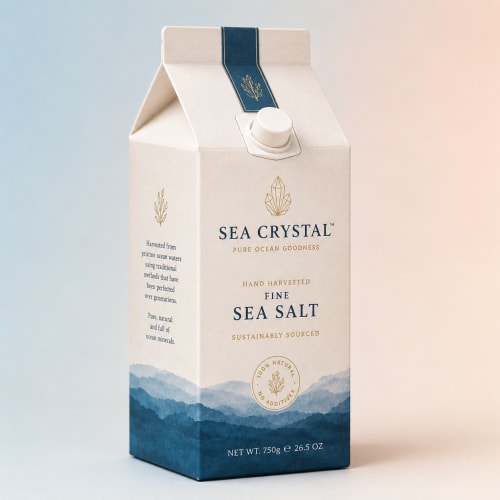
Ready to start your Paper Lunch Box project?
Get a free quote in 24 hours. Our atelier is here to help.