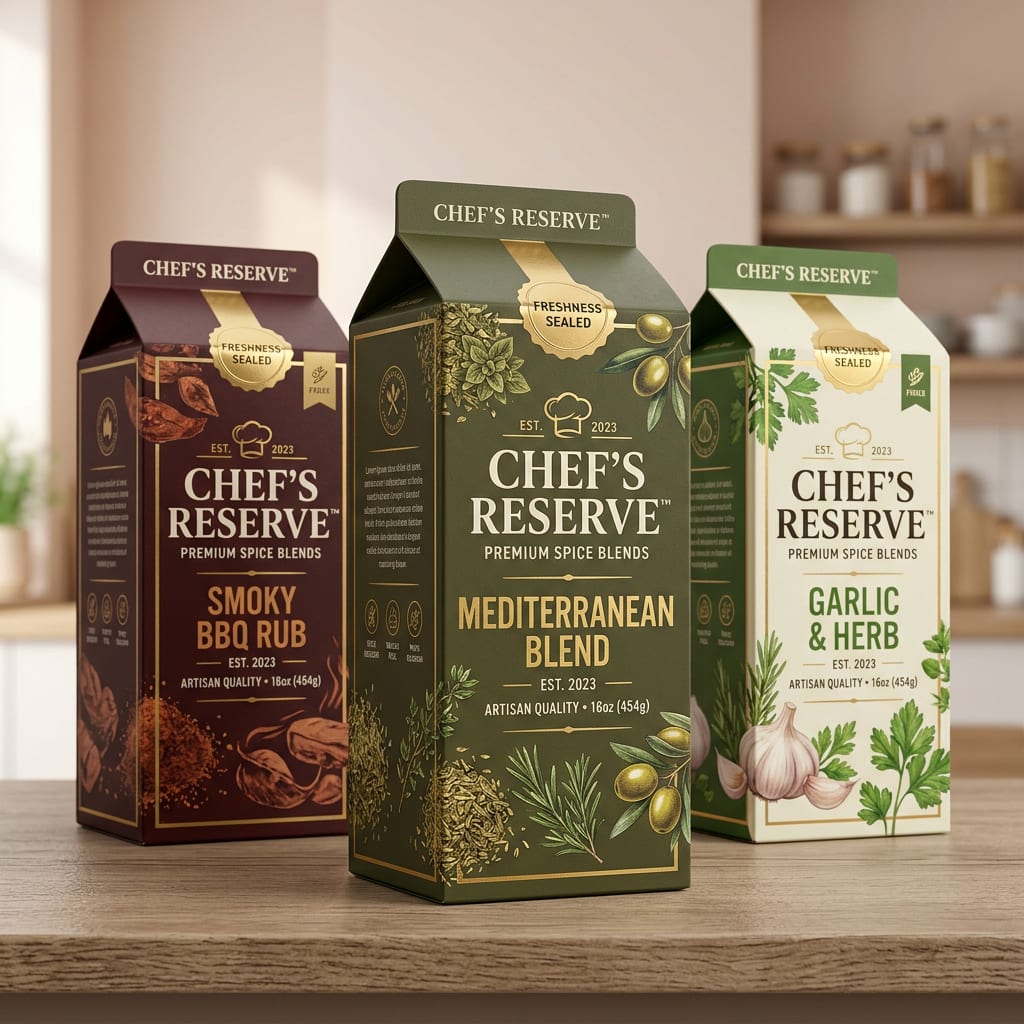
Custom Printed Seasoning Packaging.
Final price depends on size, material, finish and quantity. Your packaging manager confirms it before production.
Your custom box, quoted.
The full specification book.
Six chapters. Six colours. Click a tab to turn the page.
Printed Seasoning Packaging
Sachet or shaker, since single-use and cupboard formats are different products.
A portion sachet is a barrier and a tear notch; a shaker is a dispensing and reseal problem. Both have to hold aroma and keep moisture away from a fine powder.

Every detail. Intentional.
Sachet or shaker
Single-use and cupboard differ entirely.
Volatiles stay inside
The property the customer judges.
Fine grinds escape any gap
Seal integrity is tighter here.
Tear notch on sachets
Opened one-handed, at a table.
Reseal on cupboard formats
Opened and closed all season.
Moisture is the enemy
Caking is the failure mode.
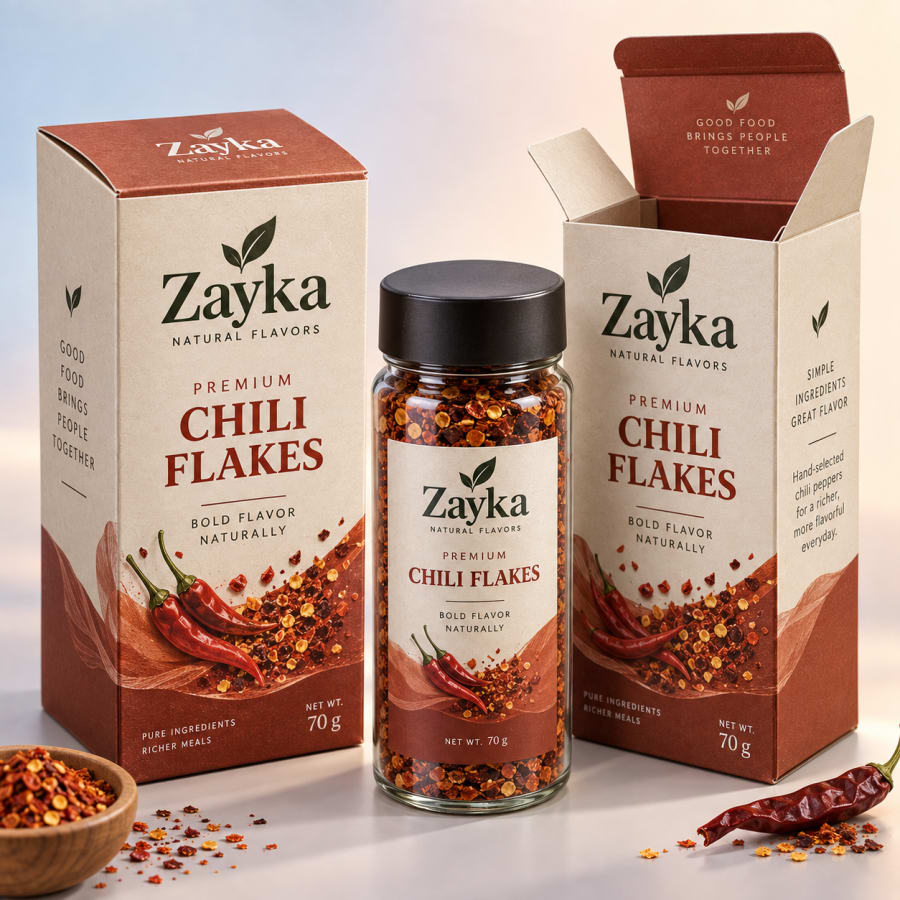
Built like architecture.
Every order of Custom Printed Seasoning Packaging is an engineered build, measured, dieline-cut and hand-wrapped to spec. Below is the standard build sheet.
✦ Need a custom spec? Talk to our atelier. Every detail is negotiable.
Every surface, hand-selected.
What this product is built from, and the surfaces it takes. Below the build sheet sits the full swatch library. Every option applies across our range, and a physical swatch set is available on request.
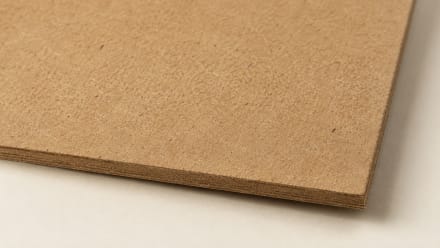
Material
The board and paper your box is built from.
 ◷ ECO
◷ ECO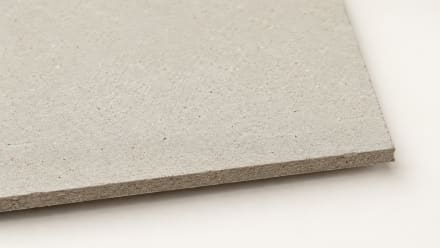 ◷ FINISH
 ◷ FINISH
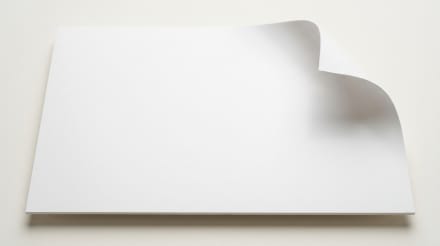 ◷ FINISH
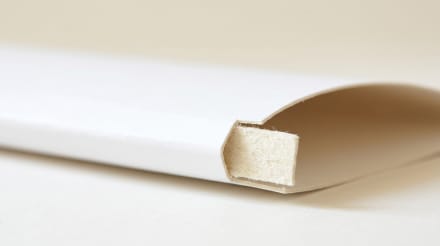 ◷ FINISH
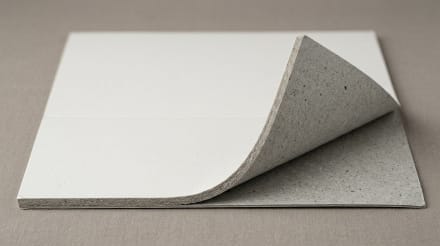 ◷ FINISH
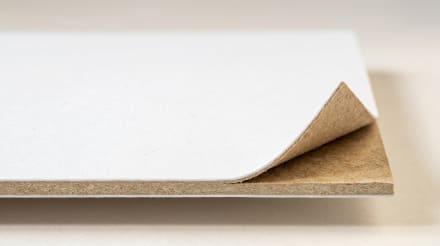 ◷ FINISH
 ◷ FINISH
 ◷ FINISH
 ◷ FINISH
 ◷ FINISH
 ◷ FINISH
Finishes
How the outer surface looks, feels, and catches light.
 ◷ FINISH
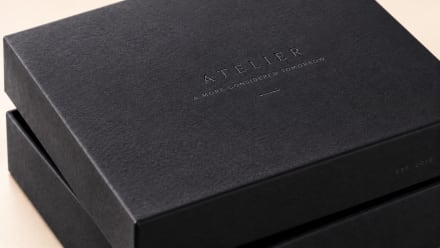 ◷ FINISH
 ◷ FINISH
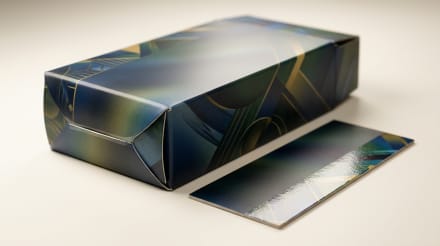 ◷ FINISH
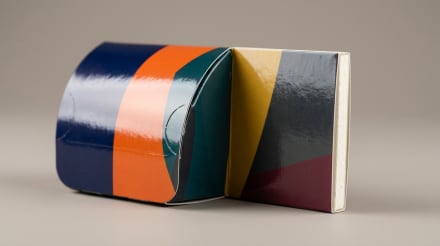 ◷ FINISH
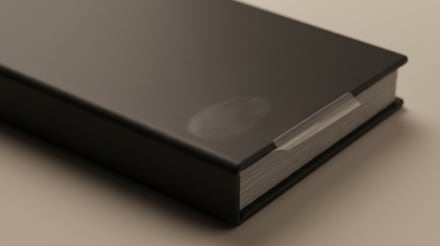 ◷ FINISH
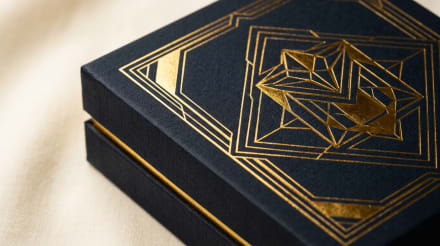 ◷ FINISH
 ◷ FINISH
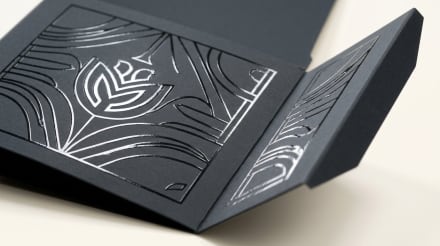 ◷ FINISH
 ◷ FINISH
 ◷ FINISH
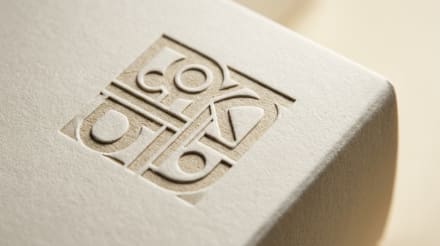 ◷ FINISH
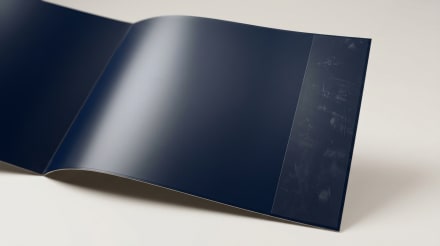 ◷ FINISH
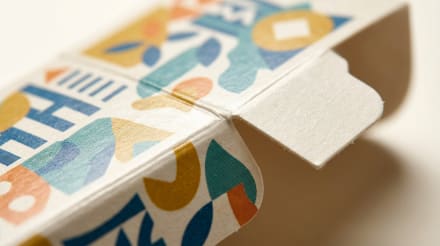 ◷ FINISH
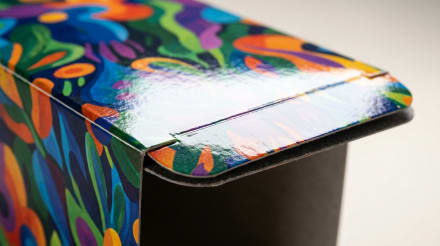 ◷ FINISH
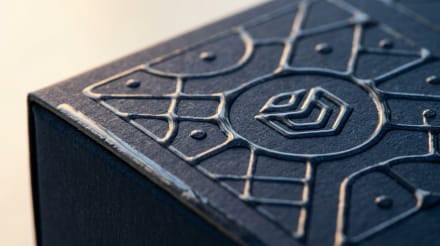 ◷ FINISH
 ◷ FINISH
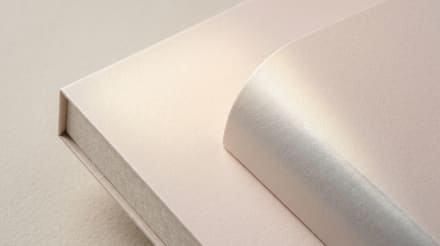 ◷ FINISH
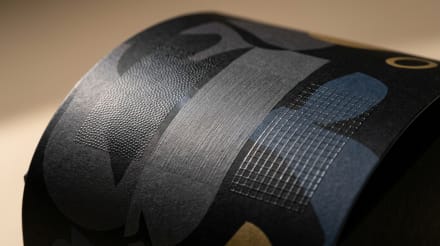 ◷ FINISH
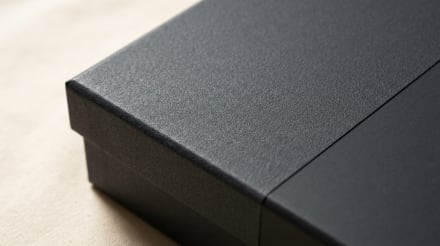 ◷ FINISH
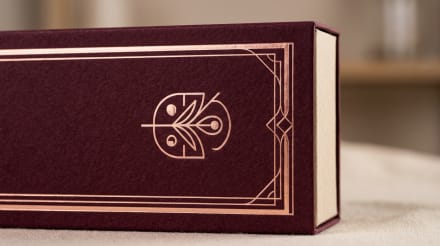 ◷ FINISH
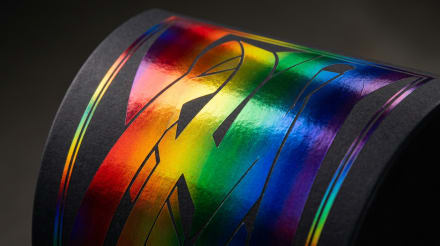 ◷ FINISH
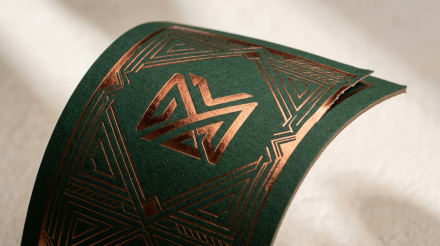 ◷ FINISH
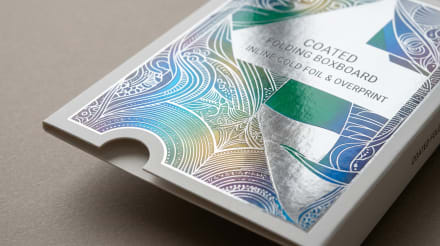 ◷ FINISH
 ◷ FINISH
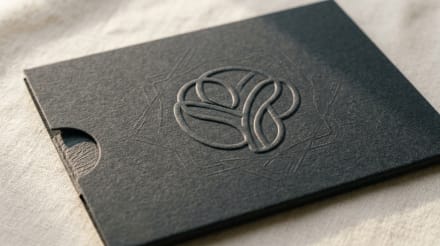 ◷ FINISH
 ◷ FINISH
 ◷ FINISH
 ◷ FINISH
 ◷ FINISH
Add-ons
Closures, linings, and hardware that complete the build.
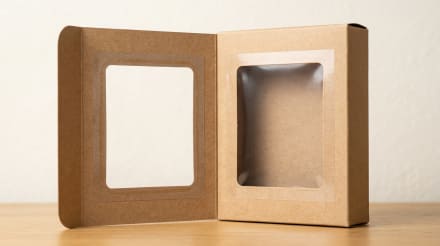 ◷ FINISH
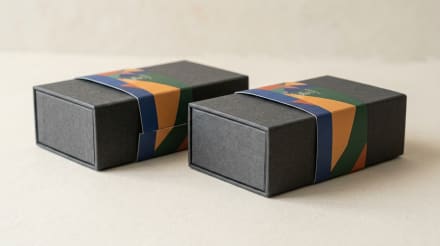 ◷ FINISH
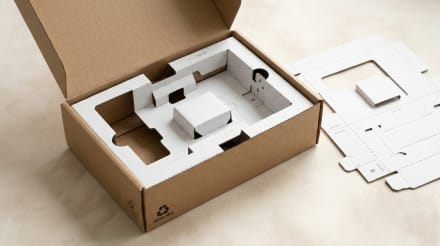 ◷ FINISH
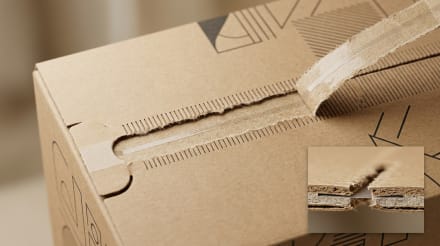 ◷ FINISH
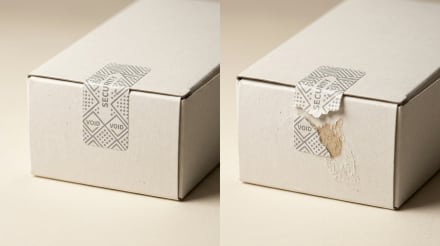 ◷ FINISH
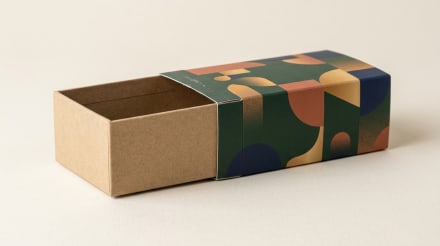 ◷ FINISH
✦ Mix and match across all three and we'll build your exact combination.
The full kit of capabilities.
Sizing & dieline.
Every Custom Printed Seasoning Packaging is made to your fill, not pulled off a shelf. A pouch is quoted width × length, plus the gusset that lets it stand. Tell us what goes inside and how much of it, and we return a measured spec, free, before you commit to anything.
A pouch is sized by what goes in it, not by outside dimensions. Give us the fill weight and, if you can, the bulk, since 500 g of granola needs far more bag than 500 g of powder.
We quote width × length, then the bottom gusset depth that sets the footprint. Three figures, and the gusset is the one most often left off.
Zipper or heat seal only, valve or no valve, window or full barrier. These change the film and the bag height, so they belong in the spec rather than added afterwards.
✦ Not sure of your size? Send us the product and we measure it and build the dieline.
Pricing & minimums.
We price Custom Printed Seasoning Packaging per specification rather than from a fixed list, because the same build in two different finishes can land at very different numbers. Below is what actually moves the price, so you can shape the spec before you request a quote.
The single biggest lever. Unit cost falls sharply as volume rises, because setup and tooling spread across more pieces.
Board weight and stock choice change both the raw material cost and the shipping weight of the finished run.
Foil, spot UV, embossing and soft-touch each add a pass on press. One or two lift the box; five compound the cost.
Full-bleed print inside and out costs more than a one-sided design on natural stock.
Foam, moulded pulp, velvet pillows, magnets and ribbon are priced per piece on top of the box itself.
Standard production is the base rate. Rush moves you up the production queue and carries a surcharge.
✦ Quotes returned within 24 hours.
Questions, answered.
Everything you need to know about Custom Printed Seasoning Packaging.
A paper, foil and PE laminate with a grease-resistant liner is the standard for blends. Oil-bearing ingredients migrate through plain paper and carry the aroma with them, which stains the sachet face and flattens the blend. The foil layer holds the volatiles in and the moisture out, and the greaseproof liner keeps oil off the print.
Metallised laminate is the lower-cost option where turnover is fast and shelf life short.
A fine grind escapes through a gap that granular salt would never pass. Seal width and pressure are set higher on this format, and the easy-tear sealant is chosen so the sachet opens across the top in a straight line. A sachet that stretches and tears badly puts powder across a table.
The printed tear notch marks the start point so it can be opened one-handed.
Yes, single-use sachets and cupboard shakers are different products with different jobs. The sachet is a barrier and a tear notch. The shaker is a dispensing and reseal problem, opened and closed across a whole season. Both keep the aroma in and the moisture away from a fine powder, but the construction and the closure are separate specifications.
A stand-up pouch with a zipper covers bulk kitchen packs that are reclosed between services.
Full CMYK is the most requested, since a seasoning sachet is often a branded item on the table. Matte lamination gives a premium look for chef-branded blends, kraft outer suits organic ranges, and a metallic reveal leaves the foil showing through unprinted areas. Flexo in one or two colours is the cost-led route for operational sachets.
Space for the allergen and ingredient declarations is planned into the layout from the first proof.
By fill weight, with a typical sachet around 2 by 3 inches and a shaker around 2 by 2 by 4 inches. Portion sizing to the gram is the reason operators switch to sachets in the first place, because it gives consistency across sites. The dimensions follow the fill and the filling equipment.
Stick packs and stand-up pouches are sized the same way, and roll stock is cut to the web width your line takes.
The floor is 500 pre-made sachets or pouches. Pricing tiers past 1,000, and a restaurant group standardising portions across sites tends to order in multiples of that. We schedule up to 100,000 in one run.
Roll stock for a form-fill-seal line is quoted by reel and works out to a comparable starting quantity.
Approved artwork goes to a 7 to 10 business day schedule, or 5 to 7 with rush. Laminate samples take 5 to 7 business days, and we recommend a sample for any blend with a high oil content so the liner can be checked before the run. The sample fee is deducted from the production order.
Stand-up pouches with zippers take the longer end of the range.
Foil suits aroma retention over a long shelf life, and metallised film suits stock that turns over quickly. Aroma loss is the invisible failure and costs more commercially than a stained sachet. A full foil layer stops it, and a metallised film slows it enough for a short-life operational sachet.
Unlined paper sachets are not something we make for this product, because there is no aroma retention without a barrier.
Other products you might love.
Ready to start your Custom Printed Seasoning Packaging project?
Get a free quote in 24 hours. Our atelier is here to help.