Get 10% Off On Your First Order
Get 10% Off On Your First OrderFree Design Support on Every Custom OrderLow MOQ from 100Get 10% Off On Your First OrderFree Design Support on Every Custom OrderLow MOQ from 100Get 10% Off On Your First OrderFree Design Support on Every Custom OrderLow MOQ from 100Get 10% Off On Your First OrderFree Design Support on Every Custom OrderLow MOQ from 100
— The Construction Library —

Every construction, perfected.

From magnetic rigid boxes to self-locking mailers — browse the styles behind every product on the site, and pick the one that fits your product and budget.

20 styles in the library — and growing.
📦01

Custom Corrugated Boxes

 View style
rigid-boxes02

Custom Rigid Boxes

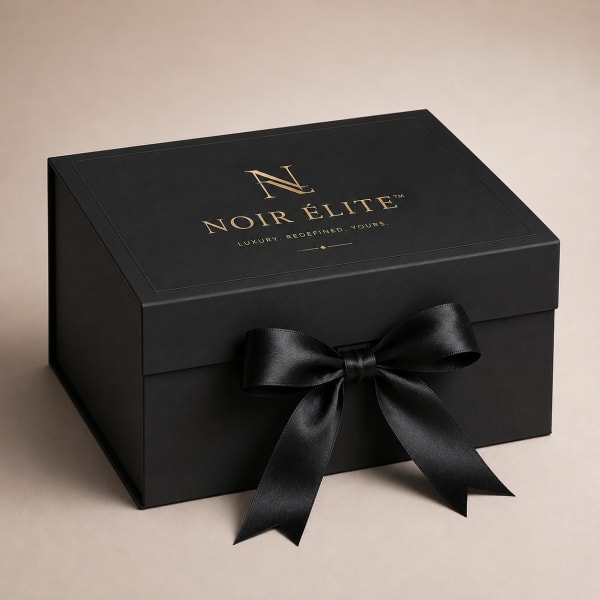
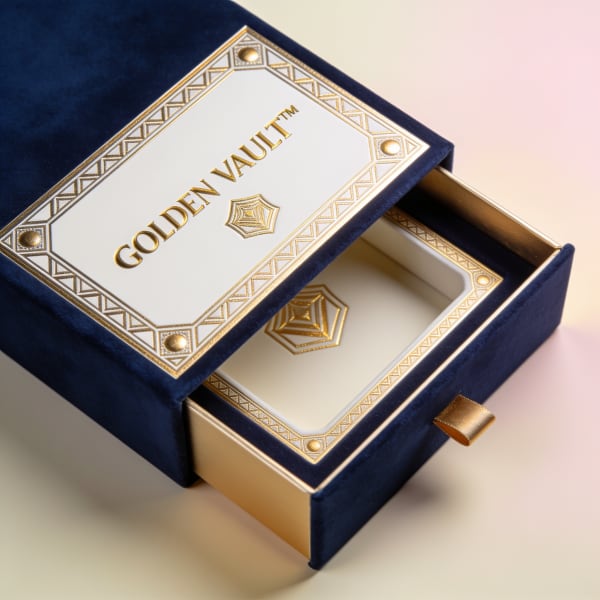
Rigid boxes provide premium packaging for luxury products. These boxes feature strong structure, custom finishes, and unmatched presentation. Whether it’s electronics, cosmetics, jewelry, or gourmet items, rigid boxes support brand image while protecting products.

13 productsView style
Custom Cardboard Boxes03

Custom Cardboard Boxes

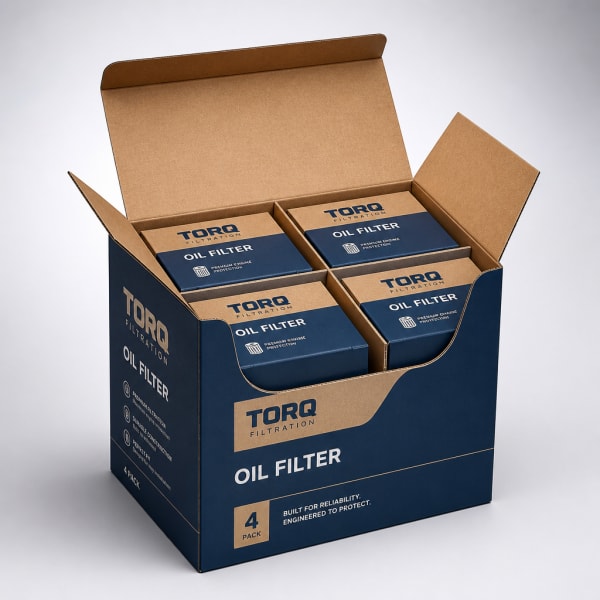
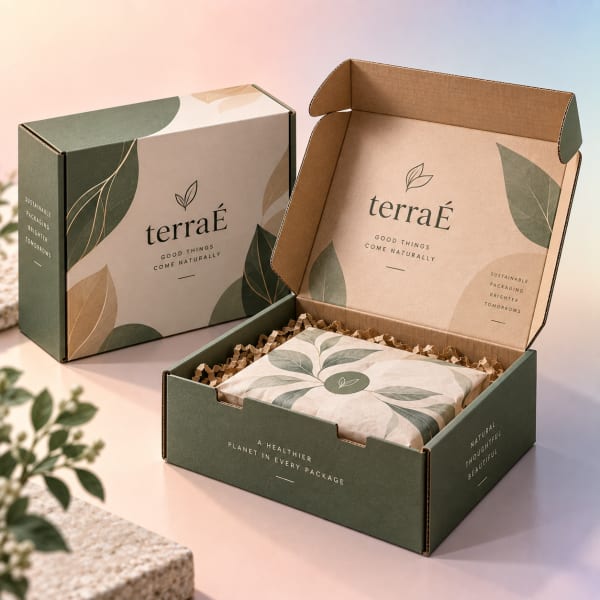
"Cardboard" covers two different materials, and knowing which one you mean is the first decision. Corrugated is the one with the fluted wave sandwiched between two liners — the wave is the engineering, creating air gaps that absorb impact and columns that carry stacking load. Paperboard is single-layer with no flute: it prints beautifully, folds flat and carries almost nothing. A cereal box is paperboard. A shipping box is corrugated. Most of what people think is a board-grade problem is actually a sizing problem. Carriers bill on dimensional weight, so an oversized box costs money on every shipment for the life of the product. Right-sizing usually saves more than any negotiation on material, and almost nobody looks at it first. Strength is specified two different ways and they are not interchangeable. Edge Crush Test measures stacking strength, which is what matters for palletised goods in a warehouse. Burst strength measures puncture resistance, which matters for parcels handled individually. Tell us which journey the box takes and we will specify against the right one. Beyond that it is style and print. A regular slotted container is the cheapest thing that works. A die-cut mailer erects without tape and presents far better on opening — and printing the inside of one costs very little and is the cheapest brand moment available to a direct-to-consumer business.

38 productsView style
📦04

Custom Kraft Boxes

 View style
Custom Presentation Boxes05

Custom Presentation Boxes

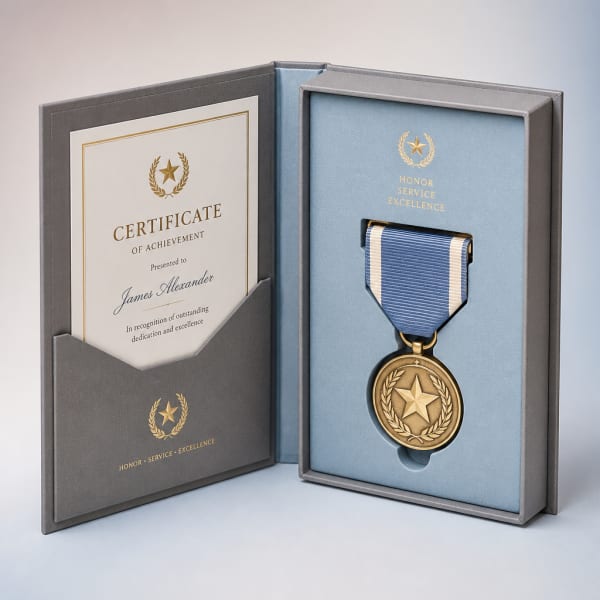
2 productsView style
Blister Card Packaging06

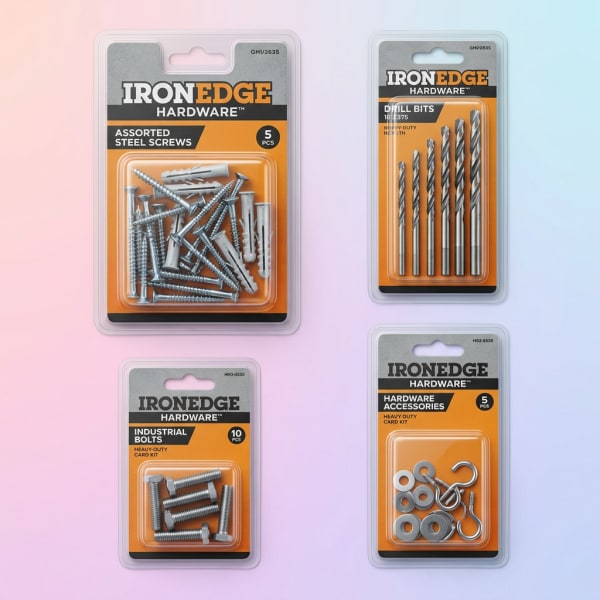
Blister Card Packaging

7 productsView style
Boxes with Window07

Boxes with Window

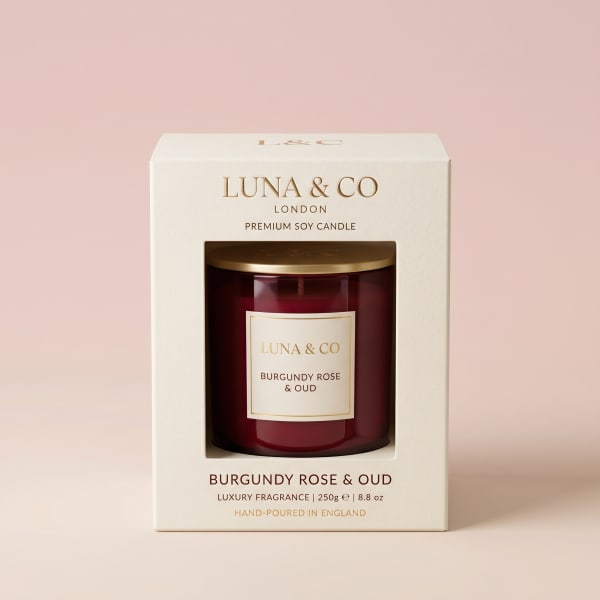
2 productsView style
Custom Display Boxes08

Custom Display Boxes

12 productsView style
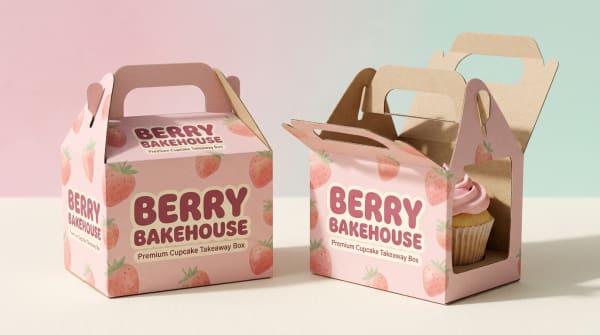
Custom Gable Boxes09

Custom Gable Boxes

4 productsView style
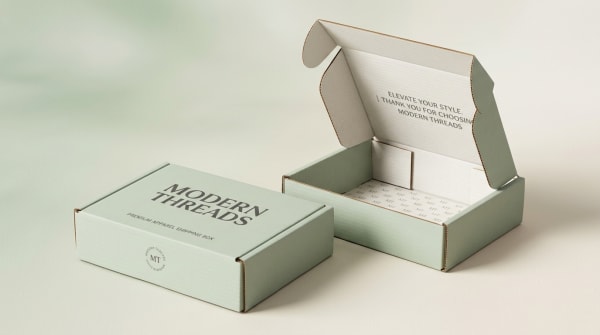
Custom Mailer Boxes10

Custom Mailer Boxes

12 productsView style
Custom Mylar Bags11

Custom Mylar Bags

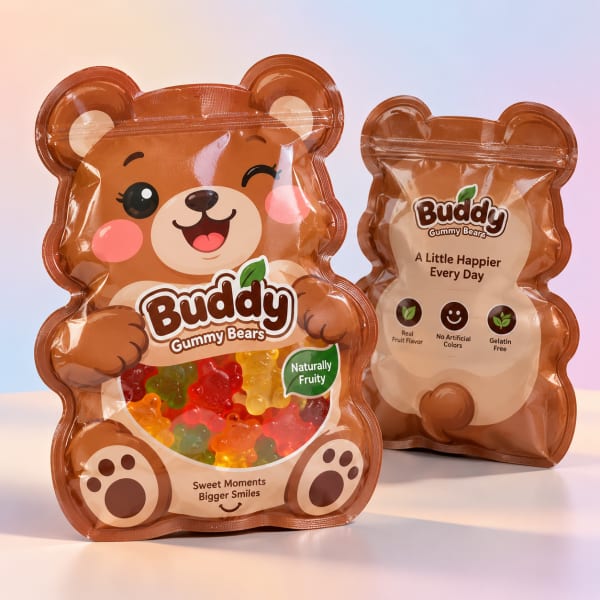
Mylar bags — also sold as ziplock bags, stand-up pouches or barrier pouches — are flexible packaging built from laminated film rather than a single plastic. The name comes from a DuPont trade name for polyester film, and in practice it has come to mean any pouch with a real barrier layer in it. That layer is the whole point. A single-layer plastic bag keeps dust out. A mylar laminate keeps oxygen, moisture, light and aroma out, and those four are what actually spoil a product. Coffee goes flat from oxygen. Powder clumps from moisture. Pigments fade from light. A three- or four-layer structure gives each of those a material that handles it, bonded into one film. The category divides on three decisions rather than by product type. Construction — flat pouch, stand-up, side gusset, flat bottom or quad seal — sets how much it holds and how it sits on a shelf. Barrier — clear, metallised or full foil — is chosen from shelf life, not from budget. Closure — heat seal only, ziplock, child-resistant, tamper-evident, spout or valve — depends on how the product is used after opening. One thing worth stating plainly, because it is the most common specification error we see: a bag is measured width × length, plus a gusset depth if it has one. Not length × width × height. A pouch has no fixed height — it takes the shape of whatever is inside it — so the third figure on a bag is always the gusset, never a height. PackTist builds every pouch to the fill rather than to a stock size, with the dieline and structural design free with the quote.

Metallised LaminateAluminium FoilKraft / PE
39 productsView style
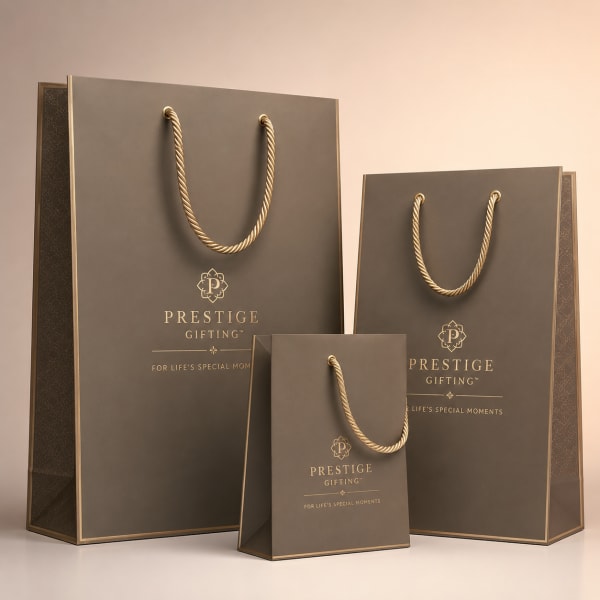
Custom Paper Bags12

Custom Paper Bags

14 productsView style
Custom Paper Tubes13

Custom Paper Tubes

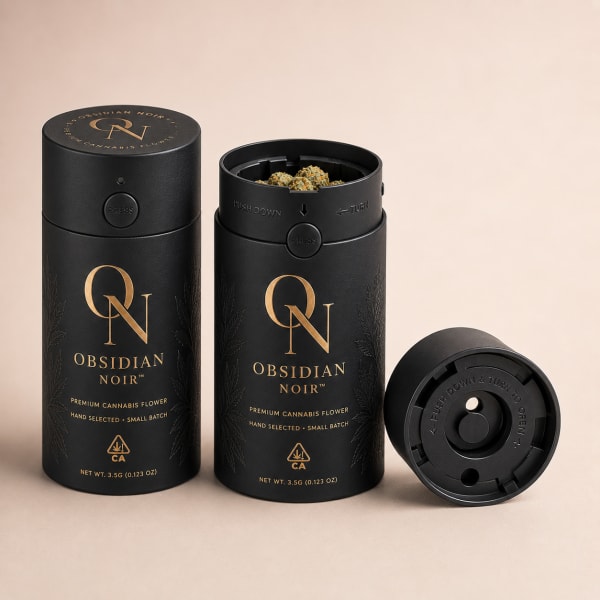
Paper tubes are cylindrical packaging built by winding paperboard around a mandrel, wrapping it in a printed sheet and closing it with caps. The format covers everything from a 20 mm lip balm barrel to a metre-long poster tube, and PackTist builds each one to the product rather than to a stock size. The category divides along three decisions rather than by product type: wall thickness (how much protection and hand-weight), cap type (paperboard for an all-fibre recyclable pack, metal for a firmer seat), and finish (kraft texture, matte, gloss, foil, spot UV, emboss). Those three choices are what separate a low-cost retail tube from a luxury gift cylinder on the same production line. MOQ starts at 500 units with standard production of 15–20 business days and rush available at 10–12. Free structural spec and a physical sample before bulk on every order.

14 productsView style
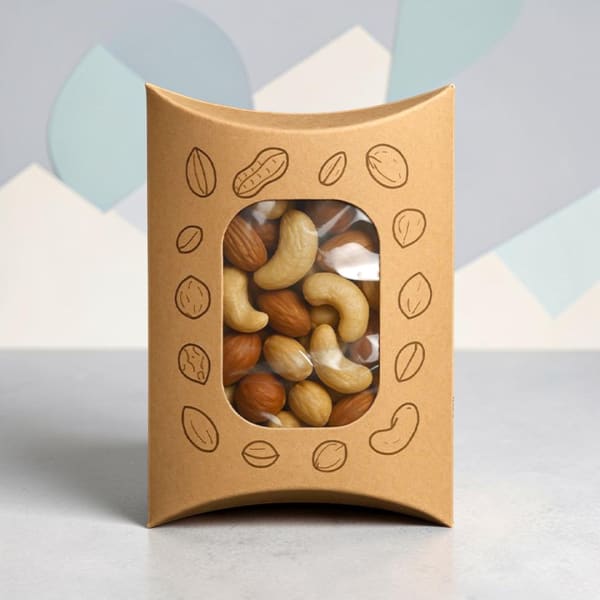
Custom Pillow Boxes14

Custom Pillow Boxes

6 productsView style
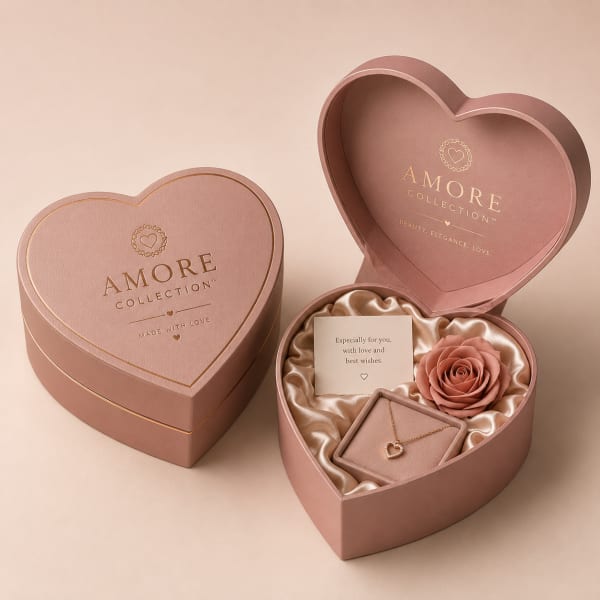
Custom Shaped Boxes15

Custom Shaped Boxes

11 productsView style
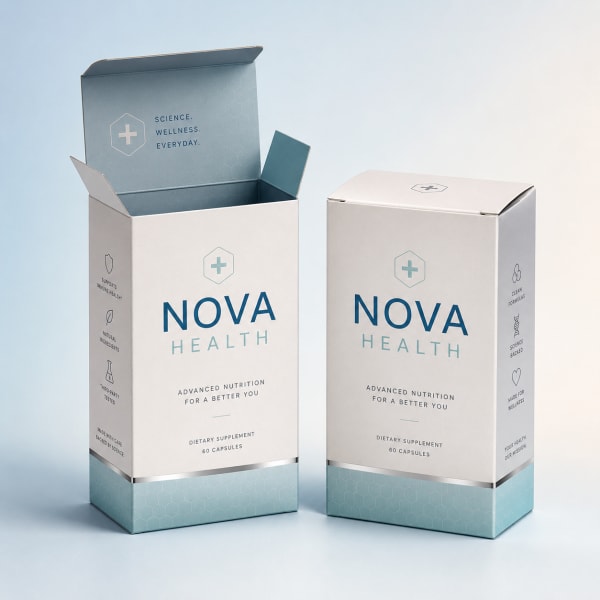
Custom Tuck Boxes16

Custom Tuck Boxes

8 productsView style
Labels Stickers17

Labels Stickers

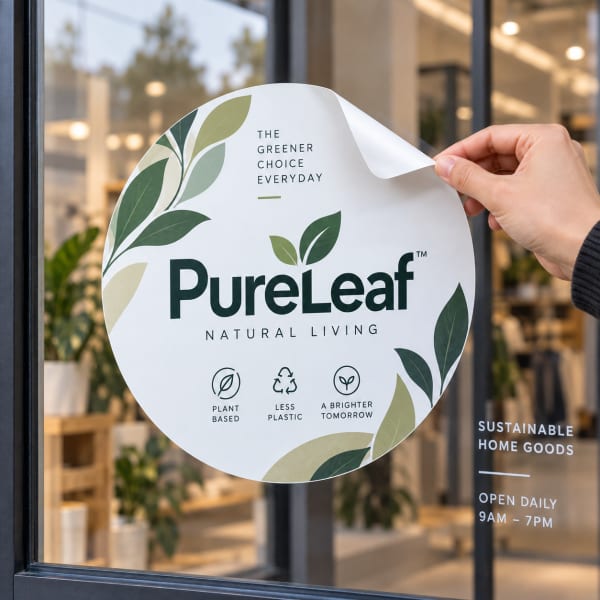
A label is three decisions stacked together — face stock, adhesive and laminate — and most label problems come from getting the middle one wrong rather than the printing. Face stock is what you print on. Paper is cheapest and right for dry goods and shipping. Vinyl and polypropylene are the plastic films you want for anything that gets wet, refrigerated or handled — a paper label on a shampoo bottle disintegrates in a shower within weeks. Polypropylene also conforms, which matters more than people expect: on a squeeze bottle, a stiff face stock lifts at the edges every time the bottle is squeezed. Adhesive is the one that decides whether the label is still there in six months. Permanent is the default. Removable is for promotions and anything the customer peels off. Freezer-grade stays tacky at temperatures where standard adhesive goes brittle and drops off — and every year someone discovers this the hard way with a frozen product. Wet-strength or all-temperature adhesives handle condensation on chilled bottles, which is a different problem again. Laminate protects the print. A gloss or matte overlaminate is what makes a label genuinely waterproof and scuff-resistant; without it, print on even a plastic face stock will abrade in handling. Format is simpler: rolls for machine application, sheets for hand application. Die-cut goes through the backing, kiss-cut does not — kiss-cut is what makes a sticker easy to peel.

20 productsView style
Metalized Boxes18

Metalized Boxes

3 productsView style
Sleeve & Tray Packaging19

Sleeve & Tray Packaging

9 productsView style
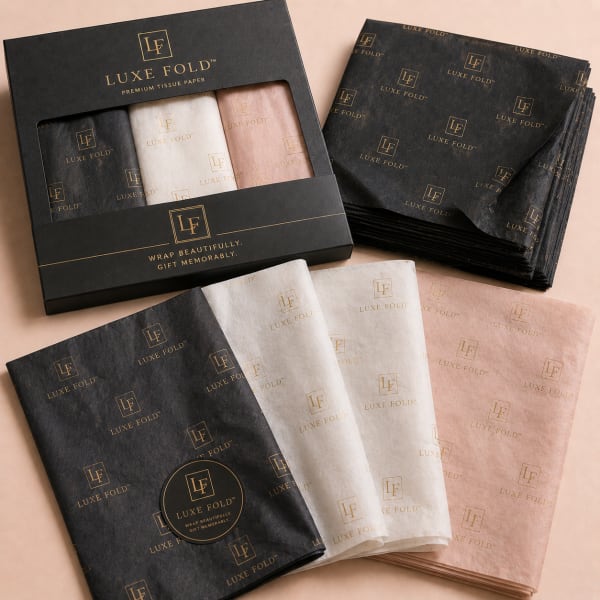
Printed Paper Packaging20

Printed Paper Packaging

3 productsView style

Not sure which style fits?

Tell us about your product and budget — we'll recommend the best construction for you.

Get a QuoteContact Us
Where We're Trusted
Google
★★★★★
Trustpilot
R
REVIEWS.io
Our Logistics Partners
Secure Payment Options
SSL Secured