Our Categories
Browse our full packaging range by category — from luxury rigid boxes to eco-friendly mailers.

Custom Rigid Boxes
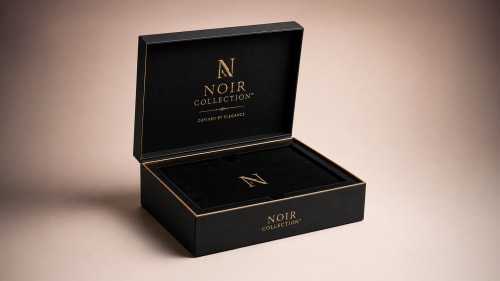
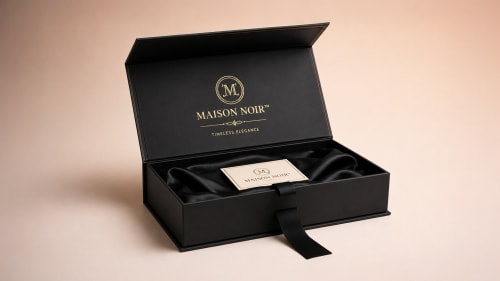
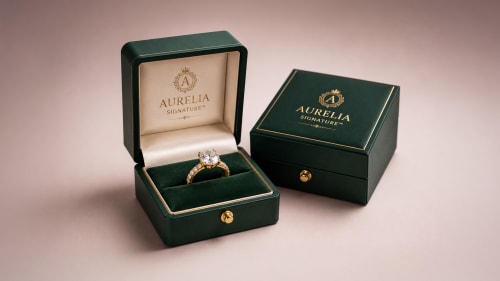
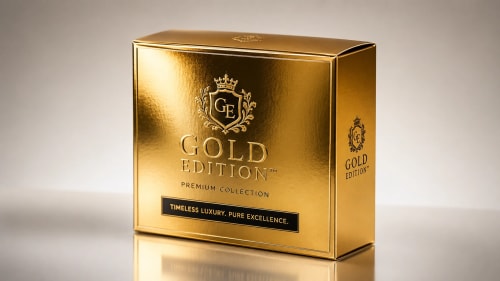
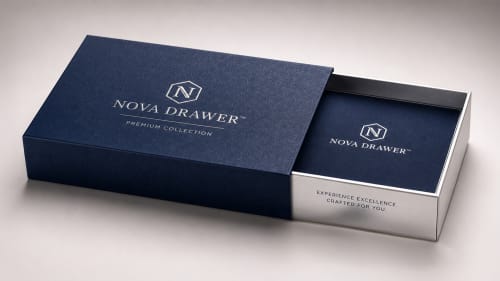
Rigid boxes provide premium packaging for luxury products. These boxes feature strong structure, custom finishes, and unmatched presentation. Whether it’s electronics, cosmetics, jewelry, or gourmet items, rigid boxes support brand image while protecting products.

Custom Corrugated Boxes

Custom Retail Boxes

Pharma Packaging

Corporate Printing
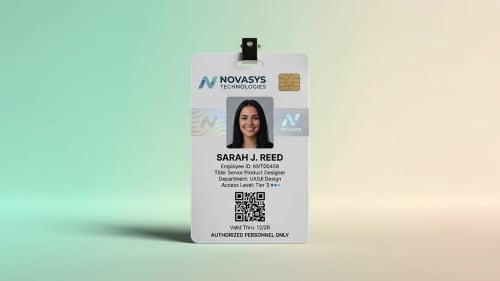
Corporate print is a different discipline from packaging, and the difference is consistency across items rather than performance of one item . A business card, a brochure and an annual report are printed on different stocks, on different presses, often months apart — and they have to look like they came from the same company when they end up on the same desk. That is mostly a colour management problem. The same brand red behaves differently on coated art paper, uncoated stock and a textured board, because the substrate changes how ink sits and how light comes back off it. Specifying a Pantone and measuring against it with a spectrophotometer is what keeps a brand recognisable across a range; printing CMYK builds of the same colour on different stocks is what makes it drift. Run length decides the process. Digital has no plate cost, so it is the right answer for short runs, versioned pieces and anything personalised. Litho costs more to set up and far less per unit, so it takes over as quantities climb, and it holds fine detail and heavy solid colour better. The crossover point moves with the piece, and we will tell you which side of it you are on rather than defaulting to one. The gift kit side of this category is really packaging wearing a print hat: a branded box with fitted inserts holding several items, produced for an anniversary, a client programme or an employee milestone. Those have longer lead times than print alone, because the structure has to be tooled.

Apparel & Fashion Packaging

Beverage, Wine, Liquor Packaging

Custom Bakery Packaging

Custom Candle Boxes

Custom Cardboard Boxes
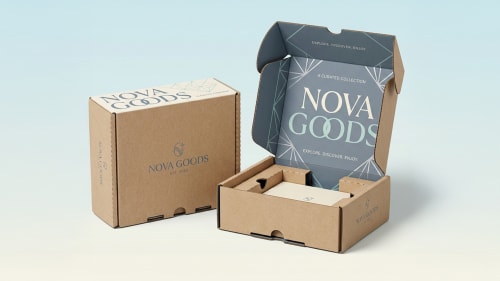
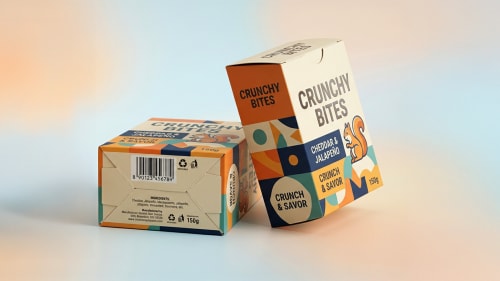
"Cardboard" covers two different materials, and knowing which one you mean is the first decision. Corrugated is the one with the fluted wave sandwiched between two liners — the wave is the engineering, creating air gaps that absorb impact and columns that carry stacking load. Paperboard is single-layer with no flute: it prints beautifully, folds flat and carries almost nothing. A cereal box is paperboard. A shipping box is corrugated. Most of what people think is a board-grade problem is actually a sizing problem. Carriers bill on dimensional weight, so an oversized box costs money on every shipment for the life of the product. Right-sizing usually saves more than any negotiation on material, and almost nobody looks at it first. Strength is specified two different ways and they are not interchangeable. Edge Crush Test measures stacking strength, which is what matters for palletised goods in a warehouse. Burst strength measures puncture resistance, which matters for parcels handled individually. Tell us which journey the box takes and we will specify against the right one. Beyond that it is style and print. A regular slotted container is the cheapest thing that works. A die-cut mailer erects without tape and presents far better on opening — and printing the inside of one costs very little and is the cheapest brand moment available to a direct-to-consumer business.

Custom CBD Boxes
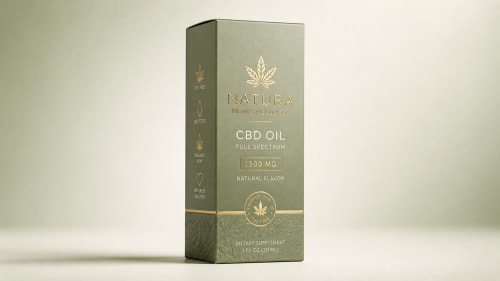
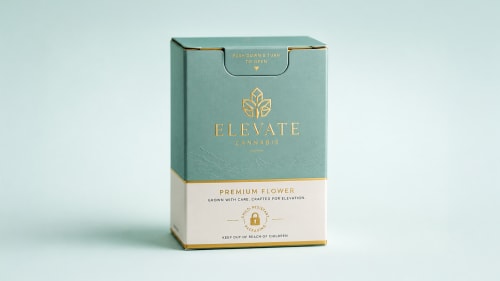
CBD packaging is a regulated design problem before it is a branding one, and the rules constrain the artwork before your designer does. The label carries a lot: cannabinoid content, batch or lot number, net weight, manufacturer details and almost always a QR code linking to a certificate of analysis. Planning that panel first and designing around it is far easier than squeezing it in at proof stage. Health and medical claims are where brands actually get into trouble — packaging implying treatment of a condition attracts attention faster than anything else in the category. The requirements are not uniform. They differ between states and they change, and child-resistance is mandatory for some product types in some places and not others. We build to the specification you give us, so confirm the rules for where you sell before tooling rather than after. There is also a genuine product-protection argument that is specific to this category. Cannabinoids degrade on exposure to UV and visible light. A secondary carton around a clear dropper bottle is doing measurable work on potency, not just presentation — one of the few cases where an outer box affects what the customer actually receives. Worth separating two things people routinely conflate: child resistance stops a child getting in, tamper evidence proves nobody got in before the customer. Regulated products usually need both, which means a certified closure with a sealed strip above it.

Custom Chocolate Boxes

Custom Cosmetic Boxes
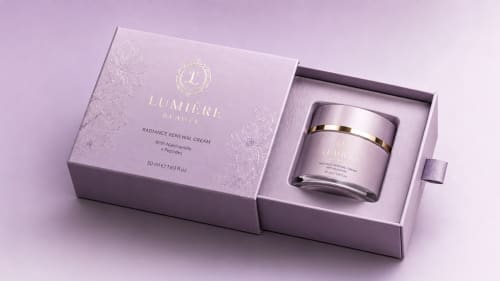
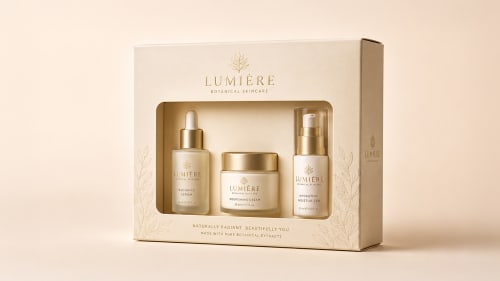
Cosmetic packaging is the category where finish does the most commercial work . These are small cartons, often just a few inches tall, sitting on a shelf beside twenty competitors at similar prices. What separates them is almost entirely tactile: soft-touch lamination, a foil logo, a deboss you notice when you pick it up. Customers pick up beauty packaging before they buy it, which is not true of most categories, and that moment is what the finish is paying for. The constraint pulling the other way is the ingredient panel . Cosmetics carry a full INCI list, and on a small carton that is a lot of very small type competing for the same surface as the design. Laying out the mandatory content first and designing around it is far easier than discovering at proof stage that the list does not fit at a legible size. Then there is what is inside. Most beauty product is glass — dropper bottles, serum vials, compacts — and glass in a loose carton chips on its own neck in transit. A fitted insert is not decoration here; it is what stops you replacing broken product. Tamper evidence matters too, increasingly as an expectation rather than a rule. One practical note on ranges: beauty brands tend to carry many SKUs at low volume each, because every shade and size is its own carton. Digital print removes the per-version plate cost, which usually makes a twelve-shade range viable where litho would not be.

Custom Gift Packaging Boxes

Custom Jewelry Boxes

Custom Kraft Boxes
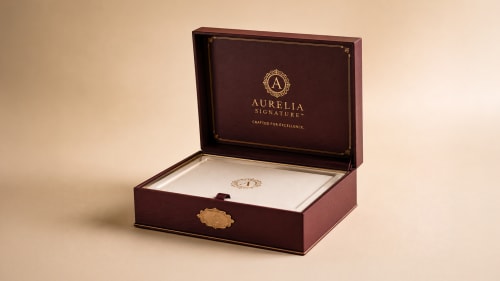
Custom Presentation Boxes

Custom Soap Boxes

Food & Restaurant Packaging
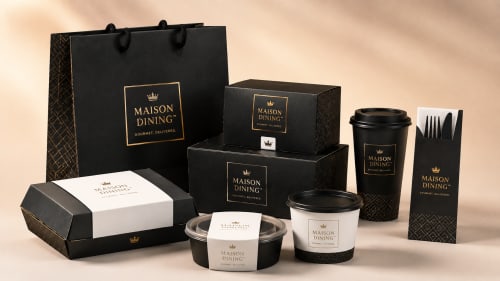
Foodservice packaging has one job that no other category shares: it has to survive contact with the product. Hot, greasy, wet, acidic, sometimes all four, for the twenty to forty minutes between a kitchen and a customer's table. Most packaging failures we get asked about are not print problems — they are a box that went soft, a cup that leaked at the seam, or a lid that popped in a delivery bag. The single biggest change in this category recently is PFAS . The grease-resistant coatings the industry relied on for decades were fluorochemical, and they are now restricted in food packaging across a growing list of states — California, New York, Washington, Minnesota, Oregon and Illinois among them. The rules bite on intentionally added PFAS, with total organic fluorine thresholds around 100 ppm used as the test. If you are still buying grease-resistant paper on an old specification, that is worth checking before your next order. PFAS-free barriers do exist and they work, but they behave differently. Some are less resistant to very hot oil, some cost more, and some change how the board takes print. We specify from what you actually serve: a fry box and a salad bowl are not the same problem. The second thing worth planning for is that takeout is now a brand surface . Delivery put your packaging on a customer's kitchen table with no server, no room and no menu around it. For a lot of restaurants the box is the only branded thing that reaches the customer at all. Send us the food, the service format and whether it travels. We will tell you the board, the barrier and the closure, and the dieline comes free with the quote.

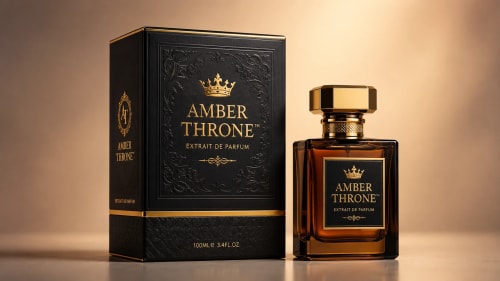
Fragrance Packaging

Holiday Boxes

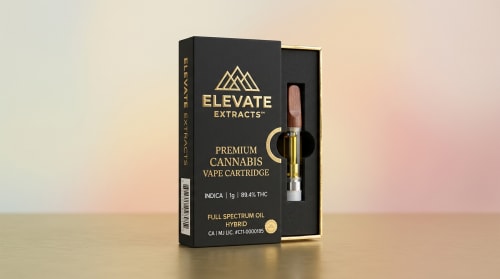
Marijuana & Cannabis

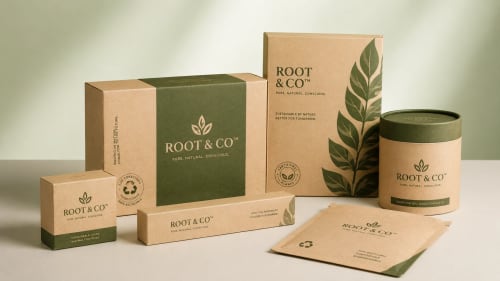
Sustainable Packaging

Tobacco & Cigarette

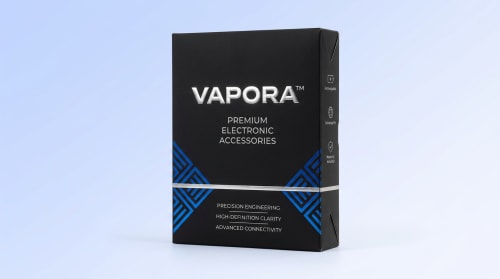
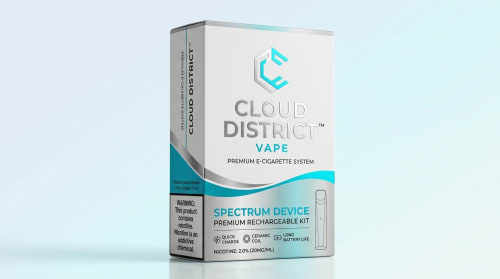
Vape & E-Cigarette

Blister Card Packaging

Boxes with Window

Child Resistant Packaging

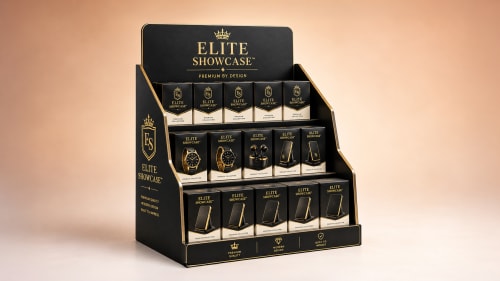
Custom Display Boxes

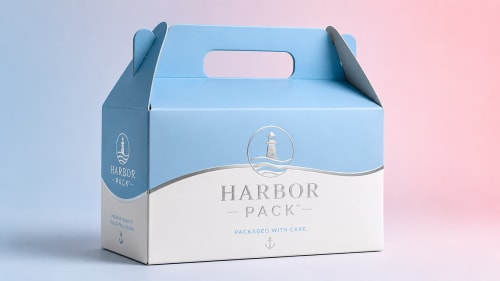
Custom Gable Boxes

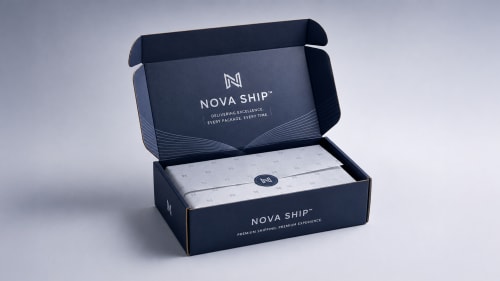
Custom Mailer Boxes

Custom Mylar Bags
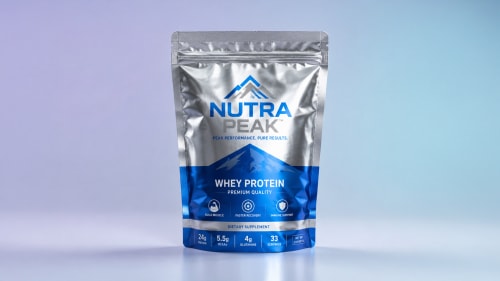
Mylar bags — also sold as ziplock bags, stand-up pouches or barrier pouches — are flexible packaging built from laminated film rather than a single plastic. The name comes from a DuPont trade name for polyester film, and in practice it has come to mean any pouch with a real barrier layer in it. That layer is the whole point. A single-layer plastic bag keeps dust out. A mylar laminate keeps oxygen, moisture, light and aroma out, and those four are what actually spoil a product. Coffee goes flat from oxygen. Powder clumps from moisture. Pigments fade from light. A three- or four-layer structure gives each of those a material that handles it, bonded into one film. The category divides on three decisions rather than by product type. Construction — flat pouch, stand-up, side gusset, flat bottom or quad seal — sets how much it holds and how it sits on a shelf. Barrier — clear, metallised or full foil — is chosen from shelf life, not from budget. Closure — heat seal only, ziplock, child-resistant, tamper-evident, spout or valve — depends on how the product is used after opening. One thing worth stating plainly, because it is the most common specification error we see: a bag is measured width × length, plus a gusset depth if it has one. Not length × width × height. A pouch has no fixed height — it takes the shape of whatever is inside it — so the third figure on a bag is always the gusset, never a height. PackTist builds every pouch to the fill rather than to a stock size, with the dieline and structural design free with the quote.

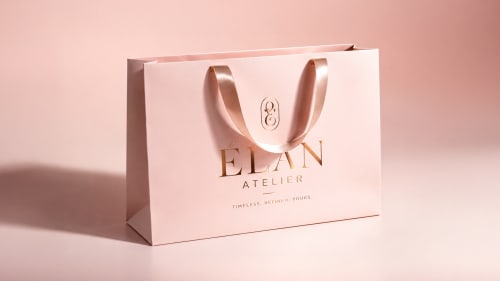
Custom Paper Bags

Custom Paper Tubes
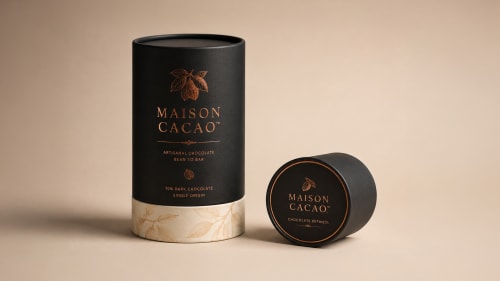
Paper tubes are cylindrical packaging built by winding paperboard around a mandrel, wrapping it in a printed sheet and closing it with caps. The format covers everything from a 20 mm lip balm barrel to a metre-long poster tube, and PackTist builds each one to the product rather than to a stock size. The category divides along three decisions rather than by product type: wall thickness (how much protection and hand-weight), cap type (paperboard for an all-fibre recyclable pack, metal for a firmer seat), and finish (kraft texture, matte, gloss, foil, spot UV, emboss). Those three choices are what separate a low-cost retail tube from a luxury gift cylinder on the same production line. MOQ starts at 500 units with standard production of 15–20 business days and rush available at 10–12. Free structural spec and a physical sample before bulk on every order.

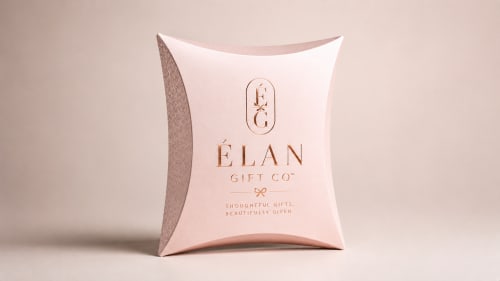
Custom Pillow Boxes

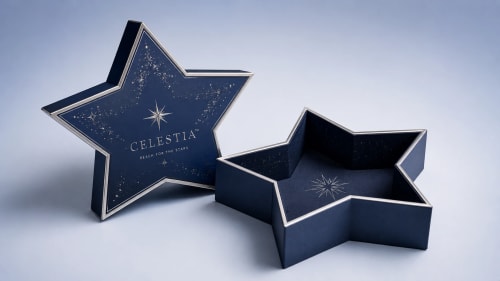
Custom Shaped Boxes

Custom Tuck Boxes

Labels Stickers
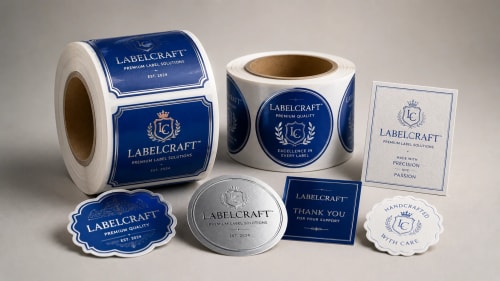
A label is three decisions stacked together — face stock, adhesive and laminate — and most label problems come from getting the middle one wrong rather than the printing. Face stock is what you print on. Paper is cheapest and right for dry goods and shipping. Vinyl and polypropylene are the plastic films you want for anything that gets wet, refrigerated or handled — a paper label on a shampoo bottle disintegrates in a shower within weeks. Polypropylene also conforms, which matters more than people expect: on a squeeze bottle, a stiff face stock lifts at the edges every time the bottle is squeezed. Adhesive is the one that decides whether the label is still there in six months. Permanent is the default. Removable is for promotions and anything the customer peels off. Freezer-grade stays tacky at temperatures where standard adhesive goes brittle and drops off — and every year someone discovers this the hard way with a frozen product. Wet-strength or all-temperature adhesives handle condensation on chilled bottles, which is a different problem again. Laminate protects the print. A gloss or matte overlaminate is what makes a label genuinely waterproof and scuff-resistant; without it, print on even a plastic face stock will abrade in handling. Format is simpler: rolls for machine application, sheets for hand application. Die-cut goes through the backing, kiss-cut does not — kiss-cut is what makes a sticker easy to peel.

Metalized Boxes

Sleeve & Tray Packaging